Get a product marketing mentor who has launched before
Vetted GrowthMentor mentors who help founders and operators figure out who to sell to and how to say it. Every mentor below wrote their own take on the work.
- 62,000+
- Sessions booked
- 750+
- Vetted mentors
- 4.8/5
- Avg session rating




🚀 Richmond Wong, JD 💰📈
5.0 · +59 more

Blaine
Founder · Permit Hound
"I don't want to walk through an uncleared minefield without someone who has walked it before."

Hamel Shah
Co-Founder · CarrotsAndCake
"GrowthMentor enables us to swiftly get a world-class expert to give us guidance on any marketing issue or…"

Lena Sesardic
Product Manager
"Knowing I can always book a call to help me clarify what I'm doing is the best feeling in the world."

Minh
Solo Founder · SEOmatic
"I like to set my own strategies and then get help from experts to improve on them and check if I'm on the…"
Nicola Rubino
Growth Marketing Consultant · nicorubino
"It gave me fast access to expert-level insights that I couldn't get from academic research or user surveys…"

Annie Chen
Head of Marketing · DOWN Dating App
"Sometimes I'm stuck at one step and all I need is someone who can share experiences of what they did when…"

Carlos Terol
Co-Founder · Bagmaya
"I enjoy having pretty much instant access to a pool of worldwide, expert mentors who are keen to share their…"

Luka Karsten Breitig
Co-Founder · The Happy Beavers
"Imagine a world where everything you read was written by a subject-matter expert."
Flora Bui
Co-Founder · Acie
"My favorite thing about GrowthMentor is how it allows me to expand my network globally in a very short time…"

Maria Ledentsova
Digital Marketing Manager · magier
"Whatever problem I have, there's a friendly and incredibly helpful mentor ready to help."

Kate Bojkov
Head of Growth · EmbedSocial
"How quick and easy I can find somebody who had my problem and is willing to talk with me and openly share…"
Supriya Agarwal
Co-founder · BiosectRx
"Being able to connect with any expert across the globe at the click of a button. No network or previous…"

Anastasia Rubleva
Head of Growth · Rapid Dev
"I love the ability to receive valuable feedback from mentors who have been in the industry for decades."

Andrew McBurney
CEO & Co-founder · Review Robin
"You should cut out 99% of the things that you're thinking about."
The mentors, in their own words.
60 mentors available
🚀 Richmond Wong, JD 💰📈
No bull$hit advice for new SaaS founders perfect your 1st profitable Go-to-Market📈 Ex-Reuters: Launched in 10+ markets 🌏
Like I said above, most startups fail not because they don't have a great product, but because they don't have a clue about how to market whatever it is they sell. We'll build a strategy for making sure the marketplace knows - and cares - about your product such that prospects and customers are happy to open their wallets and give you their money.

Lisa Kennelly
Growth + Product Marketing Advisor and Coach, Mobile apps, B2C, Brand, Leadership
Do you ever feel like your product and marketing teams are not speaking the same language - to the detriment of your growth, let alone your customer experience? I use Jobs to be Done methodology to make sure you know what your customers are "hiring" you to do and how you can communicate that effectively wherever you market your products.
Ekaterina Gamsriegler
App Growth advisor. Product 50's Top Growth Product Leader 2024. Reforge practitioner
As a Product Growth and Marketing Lead, I am constantly working towards bridging the gap between product management and marketing communications. For developing strategic initiatives like a subsequent business model or a new product, I help define and size target markets, do market mapping, and come up with value propositions resonating with the target audience.

Serhat Hocazade
3x first marketing hire | Positioning, pipeline, paid ads, AI for marketing teams | ex Amazon, Facebook, LinkedIn
Positioning, messaging, and personas for three startups, written from recorded sales and customer calls. At Notable, a repositioning cut deal cycles by more than half. I think every marketer should be a product marketer first; bring your current messaging and we'll rewrite it together.

Uri Einav
Chief Marketing Officer, Growth Hacker, Advisor, Founder, User Acquisition Expert, Board member, Mobile App Marketing
* Product marketing consultant at Mogul Games * Product marketing advisor for design app uMake * Product marketing mentor for startups at AWS startup accelerator
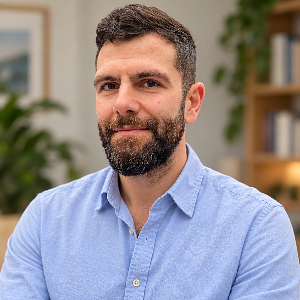
Product marketing is the process of bringing a product to market. This includes deciding the product's positioning and messaging, launching the product, and ensuring salespeople and customers understand it. As an expert in PLG, Research and SaaS GTM, I have been involved in several Product Marketing projects.

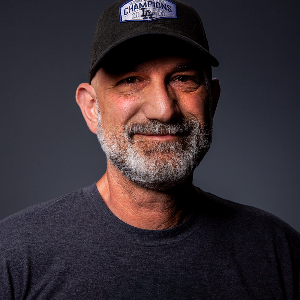






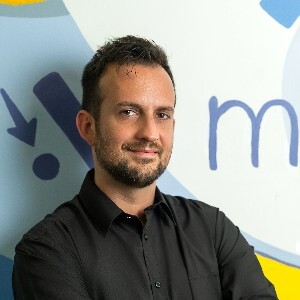.jpeg)
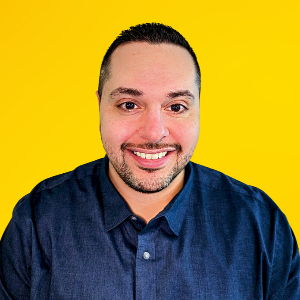



%20-%20Aug2024.jpeg)



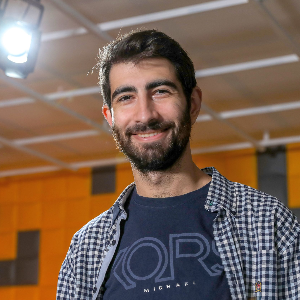

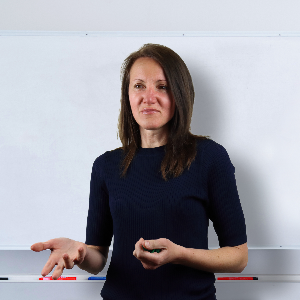

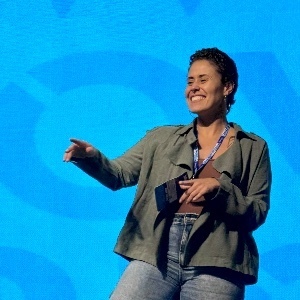






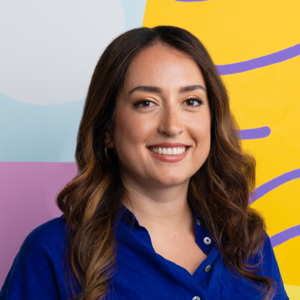








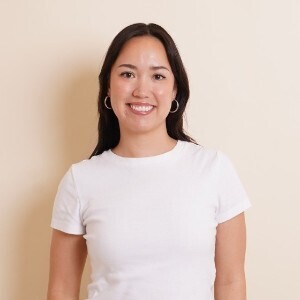










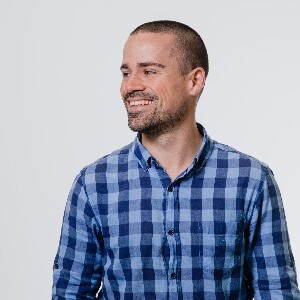


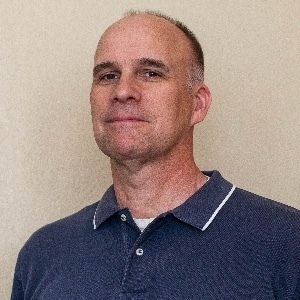
54 more product marketing mentors
Create a free account to see everyone and book a call.
Create an accountHere's how it works.
Your request
""▍
Say what you're stuck on. We line up the right person.
A session
REC
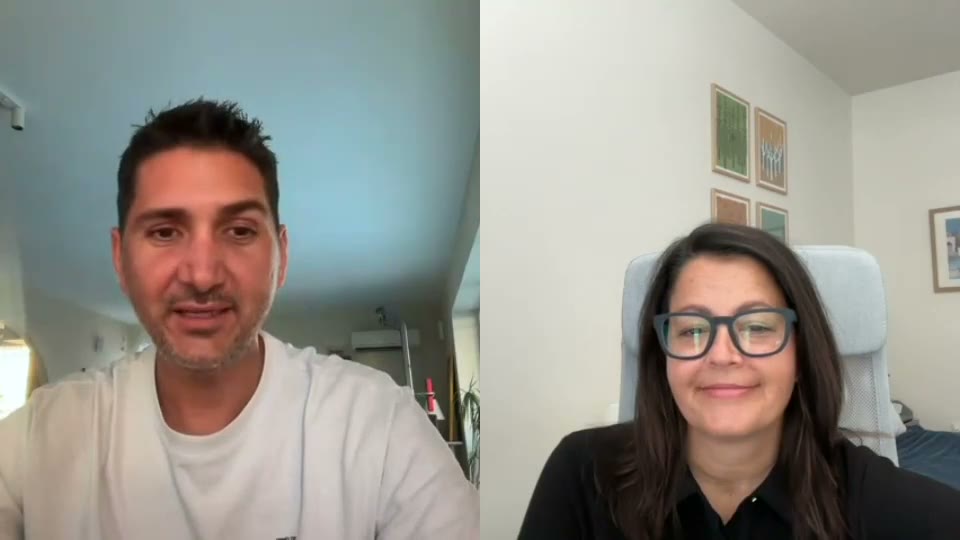
Live, one on one
30 min
Get the tactics from someone who's done it. Live, one on one.
After the call

Teodora Chaneva
Recording
You came in with
"New tier launch, sales confused."
You left with
"Sales won't use messaging they didn't help write."
23:53 / 30:00
Jump to the moment
Keep the recording, summary, and takeaways. Yours to implement.
What a product mentor does
A product marketing mentor has already taken a product from a working build to a buyer, and back again when the first angle did not land. You get a 1:1 call with someone who can pressure-test who you are selling to, sharpen how you say it, and tell you what to do in the weeks around launch.
Most calls do some version of five things:
- Narrow the ICP. "We're for everyone" becomes one segment worth winning first. This is the most repeated work on these calls, and it sets up everything else.
- Find the differentiator. Most founders bury the thing that sets them apart. A mentor helps you name it so you can lead with it.
- Fix what you lead with. Selling features when the buyer wants an outcome is the classic miss. You leave knowing the first sentence of your pitch.
- Sequence the launch. A launch is an ordered set of moves, not a single big day. A mentor helps you get the order right.
- Validate before you build more. If you are not sure the pain is real, a mentor helps you confirm it before you spend another month on the product.
The value is direction: who this is for, what to say, and what to do next.
You also leave with a record. After each call, the takeaways are written down for you, ready to keep or skip:
 Div ManickamPositioning sanity check
Pick the beachhead with the sharpest pain and win it before you widen.
Rewrite the headline in your customers’ words, the last five sales calls are the messaging doc.
KeepSkipTest the new positioning in outbound first, the homepage follows once replies pick up.
KeepSkipA stranger should be able to restate the offer in one sentence before they see the price.
KeepSkipWho your product is for
The most common reason people book a product marketing call is figuring out who the product is for. Most founders arrive with a target that is too broad, and that breadth breaks the message, the channel, and the price all at once.
You probably recognize one of these:
- Too broad to act on. "everyone" or "SMBs" is not an ICP, and a target that wide gives you nothing concrete to write copy or pick a channel for.
- Debating two audiences at once. you keep flip-flopping between segments and never commit, so half your effort serves a buyer you will drop.
- Defaulting back to everyone. you narrow, then panic about the smaller market and widen again, and the cycle repeats.
- Targeting an ICP you have not validated. you have a guess about who wants this, but no one has confirmed it with their attention or their wallet.
- Looking for the beachhead. you want the one wedge to win first before expanding, and you cannot tell which vertical or role it is.
The diagnosis usually starts before the call does. Book a session and the first messages tend to look like this:
Div ManickamPositioning that lands
You have a product. The way you describe it is the part that is not working yet. People visit, read the homepage, and do not get why it matters to them. That gap is usually positioning, not the product.
A mentor who has launched products walks the message with you and finds what is off:
- You led with the wrong angle. the thing you open with is not the thing that sets you apart, so your differentiator gets buried.
- You are selling features, not the outcome. the buyer cares about what changes for them, and your copy lists what the product does instead.
- You cannot name your differentiator. if you cannot say in one line why you win, the page cannot either, and the visitor leaves to compare.
- The message and the site are not ready. the words, the page, and the pitch all say slightly different things, and none of them land cleanly.
Go-to-market before launch
A lot of people on this page have a product built or nearly built, a launch date approaching, and no plan for how it reaches a buyer. Building the thing was the part you knew how to do. Getting it in front of buyers is the part with no obvious first step.
A mentor helps you turn a vague "how do I launch this" into a concrete sequence:
- Pick the first channel. From zero, decide where the first buyers realistically come from instead of trying every channel at once.
- Order the launch. Map what happens in the weeks before and after go-live so launch day is a step, not a cliff.
- Choose the GTM motion. Decide whether outbound, partnerships, content, or a community-led path fits your product and stage.
- Set the first goal. Define what a good first month looks like so you can read the launch instead of guessing whether it worked.
The goal is one clear first move, not a twelve-channel plan you cannot staff.
a launch plan, x-rayed
Fifty warm emails into fintech ops teams1. The waitlist opens in week two with the demo video2. Founder-led sales for the first twenty deals, nothing self-serve yet3. The goal on the wall: ten paid pilots by the end of month two4.
The first channel
One channel, picked because the buyer already lives there. Staffable by one person.
The order
Warm-up before noise. The launch is a sequence, and the date is just one beat in it.
The motion
Sales-led or self-serve gets decided before launch day. It changes everything downstream.
The first goal
A number small enough to hit and real enough to prove the wedge.
Four decisions on one page. A mentor who has launched knows which one breaks first.
Validate before you build
A common trap on these calls: building a lot before confirming anyone wants it. Founders know they are doing it, and they keep doing it, because building feels like progress and validating feels like a delay.
A mentor helps you put the validation back in front of the build:
- Talk to buyers first. interviews and direct feedback come before the next feature, not after you have built it and hoped.
- Confirm the pain is worth solving. find out whether the problem is real and urgent enough that someone would pay to make it go away.
- Name the next assumption to test. pick the single riskiest belief your whole plan rests on, and design the cheapest way to check it.
- Know when you have enough. decide what counts as enough validation to commit, so you stop second-guessing and start moving.
Most of the time the fix is not more building. It is a week of buyer conversations that either confirm the direction or save you a month of work on the wrong thing.
Pricing and what to charge
Pricing is one of the hardest pre-launch decisions, because you are setting a number with almost no signal. Charge too little and you train buyers to undervalue you. Charge too much and you cannot tell whether the problem is the price or the pitch.
A mentor who has priced and repriced products helps you reason through it:
- Free, trial, or paid from day one. decide whether a free tier or trial earns you anything, or just delays the moment you learn if people will pay.
- Usage-based or flat. match the pricing model to how buyers get value, so the bill grows with the benefit.
- Design the tiers. structure packages so the right buyer self-selects the right plan without a sales call.
- Set the first number. land on a starting price you can defend, then plan how you will move it as you learn.
Pricing is a positioning decision as much as a math one. The right number tells the buyer who this is for.
Almost nobody launches too high. The usual move is a push to the right, and a mentor who has repriced before knows how far.
Getting your first users
Launching and getting the first users is its own problem, separate from building the product. The fear here is sharp: people worry the product is not ready, that the market will not respond, that they will run out of money before it works.
A mentor who has done a launch from zero helps you get moving:
- Find the first ten. decide where your earliest users come from, and how to reach them by hand before you scale anything.
- Recruit early adopters and pilots. get people to test the product, give blunt feedback, and become your first proof for everyone after them.
- Price the early deals. figure out what to charge pilots and design partners so early customers feel like a deal, not a discount you regret.
- Read a flat launch. tell the difference between a launch that failed and one that just needs a second, sharper run.
You leave with a clear next move and a steadier read on where you stand. For most founders before launch, that is the unlock.
A crowded market
"There are ten tools that already do this" is a common worry, and it rarely means the market is closed. It usually means your differentiator is not sharp enough yet, so you look like everyone else on a feature list.
A mentor helps you stand apart on purpose:
- Name what you do differently. find the one thing you do better or differently, even if it is who you serve rather than what you ship.
- Position against the comparison. buyers compare you to a specific named tool, so build your message around that exact comparison.
- Pick a wedge, not the whole category. win one segment the incumbents serve badly before you try to take the broad market.
- Get into the buyer's head. understand how your target decides, and meet them where the choice gets made.
A crowded market is a sign of demand. The work is to be the obvious choice for one slice of it.
two moves, in order
Pick the slice
everyone with a marketing team
agency ops teams, 10–50 people
Make the claim only you can make
project management, but flexible
the only board built for client-approval workflows
The obvious choice for that slice
Every review, referral, and ranking lands on the same narrow target. It compounds.
The order matters: pick the slice before you write the words.
What a mentor can help with
Product marketing sits at the front of the funnel, and so does the network. You can find someone who has done the specific thing you are stuck on, whether that is the target, the message, the price, or the launch:
- ICP and targeting. Defining, narrowing, and committing to the customer worth winning first.
- Positioning and messaging. The differentiator, the angle, and what to lead with so the pitch lands.
- Go-to-market strategy. First channel, GTM motion, and the launch sequence from zero.
- Idea validation. Customer interviews, demand checks, and confirming the pain before you build more.
- Pricing and packaging. Free versus paid, the model, the tiers, and the first number.
- Product launches. Getting the first users, pilots, and early adopters around go-live.
- Branding and identity. Early brand and how the product reads to a first-time visitor.
- Conversion and CRO. The path from a curious visitor to a paying customer once the message is right.
Whether you are stuck on the target, the message, the price, or launch day, there is a mentor who has shipped that exact decision before.
You can also run it in reverse: post what you are stuck on as a help request, and mentors raise their hands to take it.



What people book product marketing calls about
Rarely what they end up solving. The ask on the booking form is usually a symptom, and a mentor who has launched before recognizes the pattern underneath it. Three that come up again and again:
walked in as, walked out as
Walked in as
A messaging problem
Third headline rewrite this month.
Walked out as
An ICP problem
Decide who it is for, the words follow.
Walked in as
A launch problem
Which channels, what day, how loud.
Walked out as
A sequencing problem
Order the moves, then pick the day.
Walked in as
A pricing problem
One plan or three, $29 or $99.
Walked out as
An offer nobody can restate
Make it legible, then price it.
Three calls, one mechanic. The problem that leaves the room is never the one that walked in.
Why GrowthMentor
Every mentor on GrowthMentor is vetted before they are accepted. Fewer than 5% of applicants get in. They are operators and fractional GTM leaders who have launched real products, not influencers selling a course.
Because the network is broad, you are not stuck with one specialist when your problem spans the whole front of the funnel. You can find someone to pressure-test the target today, then a different person to sharpen the pricing next week.
Calls this month
Book the fourth call, or the fortieth. Nothing on this receipt changes.
People who were exactly where you are.
GrowthMentor enables us to swiftly get a world-class expert to give us guidance on any marketing issue or question in a matter of days.

Hamel Shah · Co-Founder
Read Hamel's storyKnowing I can always book a call to help me clarify what I'm doing is the best feeling in the world.

Lena Sesardic · Product Manager
Read Lena's storyI like to set my own strategies and then get help from experts to improve on them and check if I'm on the right track.

Minh · Solo Founder
Read Minh's storyIt gave me fast access to expert-level insights that I couldn't get from academic research or user surveys alone.
Nicola Rubino · Growth Marketing Consultant
Read Nicola's storySometimes I'm stuck at one step and all I need is someone who can share experiences of what they did when they were in my situation.

Annie Chen · Head of Marketing
Read Annie's storyI enjoy having pretty much instant access to a pool of worldwide, expert mentors who are keen to share their expertise and help others.

Carlos Terol · Co-Founder
Read Carlos's storyAsk ChatGPT
Don’t take our word for it.
Ask ChatGPT what it really knows about product marketing mentors and GrowthMentor, then decide for yourself.
Before you join
What people ask before their first call.
Start narrow, not broad. "Everyone" and "SMBs" are not targets you can write copy or pick a channel for. A mentor who has launched products helps you find the one segment worth winning first, then commit to it, which is the most common breakthrough people leave these calls with.
The choice drives everything downstream: your price, your sales cycle, and your whole go-to-market. There is no universal right answer, but there is a right answer for your product and stage. A mentor can help you reason through it and commit to one so you stop building a plan that serves neither.
Most founders default back to broad because a smaller market feels scary. In practice, a narrow wedge makes your message, your channel, and your price all sharper, and it is easier to win. A mentor can help you pick the beachhead vertical to win first and map how you expand from there.
A crowded market usually means demand, not a closed door. The work is naming the one thing you do differently, even if it is who you serve rather than what you ship, and positioning against the exact tool buyers compare you to. A mentor can help you find that angle and lead with it.
Most messaging misses because it leads with the wrong angle or sells features when the buyer wants an outcome. A mentor walks your pitch and your page with you, names your real differentiator, and helps you rewrite the first sentence so a visitor instantly gets why it matters to them.
A free tier or trial can earn you signal, or it can just delay the moment you learn whether people will pay. The right call depends on your product and buyer. A mentor who has run trials and freemium can tell you which one fits and what it will cost you to get wrong.
Pricing is a positioning decision as much as a math one. A mentor helps you choose between usage-based and flat, design tiers the right buyer self-selects into, and set a first number you can defend, then plan how to move it as you learn what the market will bear.
The first ten users almost always come by hand, not from a big launch moment. A mentor who has launched from zero helps you decide where they realistically come from, how to recruit early adopters and pilots, and how to read a flat launch before you conclude it failed.
Yes, and you are exactly who most people on this page are. The reader here is usually a founder figuring out who to sell to and how to say it, often for the first time. You do not need a product marketing title. Bring a specific problem and you will leave with a plan.
If you are unsure, you probably have not talked to enough buyers yet. A mentor helps you confirm the pain is real and urgent, name the riskiest assumption your plan rests on, and decide what counts as enough validation to commit, so you stop building on a guess.
An agency runs the work and a course teaches the theory. A mentor gives you a practitioner's straight opinion on your specific target, message, and launch, in real time, with no upsell. When you are racing a launch date, that is the fastest way to get unstuck on one decision.
One specific problem and any context that helps: your ICP guess, your homepage, your pitch deck, the pricing you are weighing. The more concrete the question, the more useful the 30 minutes.
Still have questions? See all FAQs →
Related blog posts
Marketing
How to Define an ICP You Can Actually Use
An ICP that names an industry and a headcount decides nothing. Define the trigger, the job, and the threshold, then test it by which lead it turns down.
Read the postMarketing
How to Explain What Your Startup Does in One Sentence
The one-liner won't come because the who is undecided. Pick one segment, fill the template, add one number, then test the sentence on three strangers.
Read the postMarketing
How to Find Your First Customers When You're the Only Marketer
You are the whole marketing department and the CEO wants pipeline. The one-channel system solo marketers use to land their first ten customers, and what to refuse to do until then.
Read the postYou could keep guessing. Or ask someone who's done it.
Every face here has already solved what you're working on in product marketing. You're one call away.