Get a product launch mentor who has gone live before
Vetted GrowthMentor mentors who help founders launch and get their first users. Every mentor below wrote their own take on the work.
- 62,000+
- Sessions booked
- 750+
- Vetted mentors
- 4.8/5
- Avg session rating




Daniil Kopilevych
5.0 · +59 more

Blaine
Founder · Permit Hound
"I don't want to walk through an uncleared minefield without someone who has walked it before."

Hamel Shah
Co-Founder · CarrotsAndCake
"GrowthMentor enables us to swiftly get a world-class expert to give us guidance on any marketing issue or…"

Lena Sesardic
Product Manager
"Knowing I can always book a call to help me clarify what I'm doing is the best feeling in the world."

Minh
Solo Founder · SEOmatic
"I like to set my own strategies and then get help from experts to improve on them and check if I'm on the…"
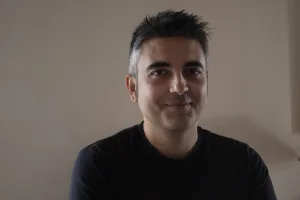
Nicola Rubino
Growth Marketing Consultant · nicorubino
"It gave me fast access to expert-level insights that I couldn't get from academic research or user surveys…"

Annie Chen
Head of Marketing · DOWN Dating App
"Sometimes I'm stuck at one step and all I need is someone who can share experiences of what they did when…"

Carlos Terol
Co-Founder · Bagmaya
"I enjoy having pretty much instant access to a pool of worldwide, expert mentors who are keen to share their…"

Luka Karsten Breitig
Co-Founder · The Happy Beavers
"Imagine a world where everything you read was written by a subject-matter expert."

Flora Bui
Co-Founder · Acie
"My favorite thing about GrowthMentor is how it allows me to expand my network globally in a very short time…"

Maria Ledentsova
Digital Marketing Manager · magier
"Whatever problem I have, there's a friendly and incredibly helpful mentor ready to help."

Kate Bojkov
Head of Growth · EmbedSocial
"How quick and easy I can find somebody who had my problem and is willing to talk with me and openly share…"

Supriya Agarwal
Co-founder · BiosectRx
"Being able to connect with any expert across the globe at the click of a button. No network or previous…"

Anastasia Rubleva
Head of Growth · Rapid Dev
"I love the ability to receive valuable feedback from mentors who have been in the industry for decades."

Andrew McBurney
CEO & Co-founder · Review Robin
"You should cut out 99% of the things that you're thinking about."
The mentors, in their own words.
60 mentors available
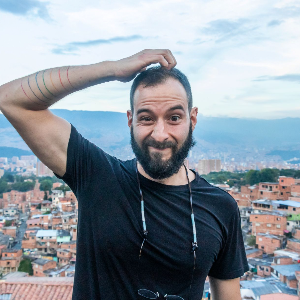
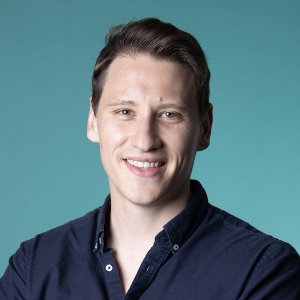
Daniil Kopilevych
B2B SaaS Sales Mentor and Cold Calling Partner. I help Pre-PMF Startups and Scaleups Book More Meetings with their ICPs.
I’ve done dozens of product launches. If you’re looking for advice on how to successfully launch your new product/feature for an existing user base and attract new customers through platforms like Product Hunt or do a Lifetime deal, I’m happy to help.

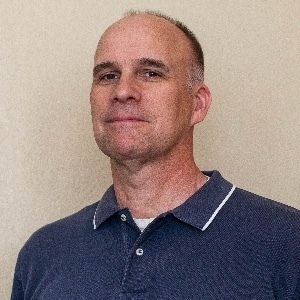
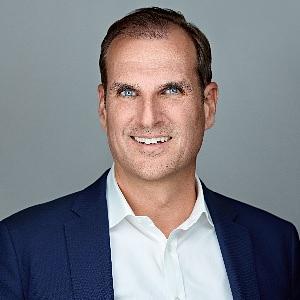
🚀 Richmond Wong, JD 💰📈
No bull$hit advice for new SaaS founders perfect your 1st profitable Go-to-Market📈 Ex-Reuters: Launched in 10+ markets 🌏
At Reuters, I launched enterprise-grade platforms in 10+ developed and developing markets (Singapore, Korea, Hong Kong, Taiwan, Malaysia, Thailand and the rest of Southeast Asia). Let's make sure you execute your launch flawlessly so your prospects and customers are excited to buy from you.
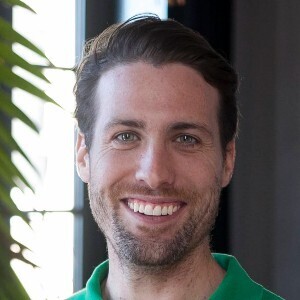
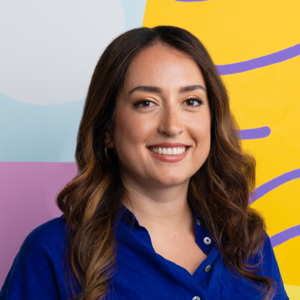
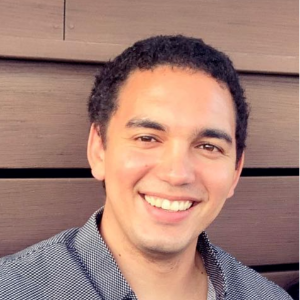
David Kelly
I built a multi-million dollar SaaS business. Now I help founders and execs do the same.
Over the past four years, with four major product launches, I've learned some key differences between FAILURE and SUCCESS when launching a new product. From the "hot" marketing channels and how they actually perform (Product Hunt, etc.) to creating a simple-but-effective product launch plan, I'm happy to share the learnings from five products we've launched that have generated millions of dollars in revenue.
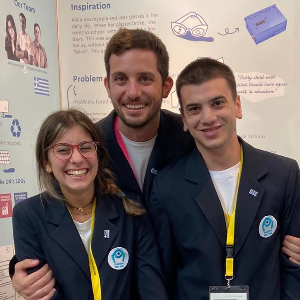
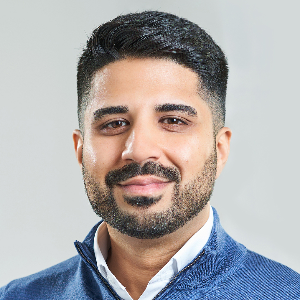
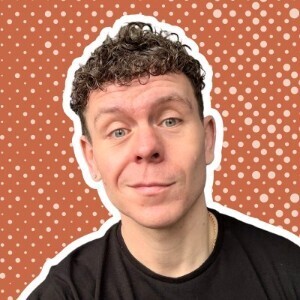
Spyros Tsoukalas
Building MVPs in 2-3 weeks | Passionate No-Coder ⚙️ | Startups & Productivity Junkie 📝 | ex-GrowthMentor 💜
I've launched a few early-stage startups/products, worked with 30+ others, and messed up a few times. I have interviewed 10+ founders of Products of the Day at Product Hunt, and have created a long guide on the topic, while at GrowthMentor.

Serhat Hocazade
3x first marketing hire | Positioning, pipeline, paid ads, AI for marketing teams | ex Amazon, Facebook, LinkedIn
Three product launches at Notable in a year, including splitting one platform into three products buyers already named, plus a brand refresh that lifted pipeline 20%. Launch calendar, feature pipeline, messaging pillars, enablement. I'll help you plan a launch a five-person team can ship.

Samet Durgun
Call me Growth Therapist: growth and marketing consultant, co-founder of Subtext (subtext.it)
Executing high-impact launch strategies for apps with paid, organic, and influencer marketing to ensure early traction, retention, and scalable market entry.





.png)








%20-%20Aug2024.jpeg)












.jpg)















.png)
54 more product launch mentors
Create a free account to see everyone and book a call.
Create an accountHere's how it works.
Your request
""▍
Say what you're stuck on. We line up the right person.
A session
REC
Live, one on one
30 min
Get the tactics from someone who's done it. Live, one on one.
After the call

Andres Silva
Recording
You came in with
"Launch in 3 weeks, no press list."
You left with
"Skip press day. Line up 10 users to post first."
07:25 / 30:00
Jump to the moment
Keep the recording, summary, and takeaways. Yours to implement.
What a launch mentor does
A product launch mentor has already taken a product from build to go-live, often more than once. You get a 1:1 call with a founder who knows what to do in the weeks before and after launch, and what to ignore.
The value is a launch plan and a sanity check, not more tactics. Most calls do some version of five things:
- Reframe the vague problem. "I don't know how to launch this" becomes a concrete, ordered list of moves for the weeks around go-live.
- Name your real audience. A launch aimed at everyone reaches no one. A mentor helps you commit to the one customer worth winning first.
- Fix the launch angle. Most founders lead with the wrong thing and bury their differentiator. A mentor helps you say plainly what your product does.
- Set the sequence. A launch is an ordered set of moves, not one big day. A mentor helps you decide what happens first, second, and not yet.
- Decide if you're ready. Sometimes the answer is talk to more users before you push. A mentor will tell you straight.
You leave with a decision and a next move, not a longer to-do list.
You also leave with a record. After each call, the takeaways are written down for you, ready to keep or skip:
 David KellyGo-live readiness review
Line up ten early users by hand before go-live, direct outreach beats a launch-day spike you only hope converts.
Commit to one launch surface and run it properly, not four channels at a third of the effort each.
KeepSkipCut launch scope to the one thing that proves the product works, and push the rest to the week after.
KeepSkipName the single action that means a user activated, then rebuild the first screen to reach it in under a minute.
KeepSkipWhere launches get stuck
Almost everyone who books a launch call is a first-time founder at a specific point on the runway. The most common spots:
- Weeks from go-live. you have a date approaching and you are not sure what to do first or whether you are ready.
- Launched, nothing happened. you went live a few weeks ago and traction is near zero. The silence is louder than you expected.
- Built but not validated. you finished the MVP and now you are looking for the market, instead of the other way around.
- Still pre-MVP. you are building with no users yet and privately scared no one wants it.
- First time doing marketing. the launch is also your first time running ads, writing copy, or planning go-to-market at all.
- Restarting after a pivot. the first attempt did not get traction, and you are rebuilding go-to-market from scratch.
Most people here are first-time founders
The reader on this page is almost always the founder of an early-stage product, days to months from going live or just barely out the door, doing go-to-market for the first time. You do not need a marketing background. You need one specific question and a date you are working toward.
Getting your first users
The most common thing founders bring to a launch call is some version of "how do I get my first users." Usually with no audience and no ad budget, which feels impossible and isn't.
A mentor who has done a cold start helps you build a first-users plan instead of waiting for the launch to work on its own:
- Go where your users already are. the right communities, niche forums, and groups beat a broadcast to a list you do not have yet.
- Recruit early adopters by hand. the first ten users come from direct, one-to-one outreach, not from a big launch-day splash.
- Use a beta or waitlist with intent. early testers are a channel, not a holding pen. A mentor helps you convert them.
- Pick one launch surface. Product Hunt, a webinar, an app store listing. Choose the one that fits your product and do it properly.
First traction is hand-built. The goal is a repeatable path to ten real users, then twenty, not a viral moment.
Mentors start diagnosing before the call. A typical first exchange after you book:
 Div Manickam
Validate before you build more
The trap that defines this stage is building before validating. Founders ship the product, then go looking for the market. A launch call is often the place where someone tells you, kindly, to go backward first.
A mentor helps you find out whether anyone wants this before you pour more weeks into it:
- Interviews come before more building. conversations with target users surface the pain, or its absence, faster than another feature.
- Name the assumption you have not tested. every plan rests on a belief about the buyer. A mentor helps you find the riskiest one and check it.
- Confirm the pain is worth paying for. a real problem people already try to solve is very different from a nice-to-have you wish they had.
- Decide what to test next, cheaply. a landing page, a waitlist, a pre-sale. The point is to learn before you commit the build.
Picking your launch audience
The most common recurring fix in a launch call is narrowing the target. Founders default back to "everyone" because it feels safer, and it is the reason the message, the channel, and the price all stay fuzzy.
A mentor helps you commit to one audience for launch, which makes the rest of the plan fall into place:
- Stop serving two audiences. Picking one customer to win first beats half-serving two. The narrow wedge is what makes the launch legible.
- Find the better-fit persona. Sometimes the obvious buyer is not the right first one. A mentor helps you spot the segment that converts fastest.
- Decide B2B or B2C first. You can serve both eventually. For launch you pick the motion that gets you to ten paying users soonest.
- Retire 'everyone' and 'SMBs'. Those are not an ICP. A real target is specific enough that you know exactly where to find them.
A narrow launch audience gets you to a first win you can build the rest of the business on.
A launch aimed at everyone gets ignored by everyone. The move is one buyer narrow enough to find.
Pricing your launch
Pricing is one of the densest things founders ask about at launch, because there are no customers yet to tell you the number is right. The first decision is usually how you charge, not how much.
A mentor who has priced products from scratch can give you a straight read:
- Freemium, free trial, or charge from day one. each pulls a different kind of user. A mentor helps you pick the one that fits your product and your runway.
- Set an initial price with no data. you do not need perfect. You need a defensible starting number you can adjust as real buyers react.
- Price pilots and early deals. your first customers are special, and how you price them sets the ceiling for what you can charge everyone after.
- Fix free-to-paid conversion. trial users who do not convert are usually an activation problem, not a price one. A mentor helps you tell which it is.
The win is a price you can say out loud with a reason behind it, not a number you guessed and hope nobody questions.
two moves, in order
Decide how you charge
freemium because it feels friendlier
the model that fits your runway and buyer
Set the first number
a number you guessed and hope holds
a starting price you can defend and move
A price you can say out loud
You give the number and the reason in one breath, then adjust as real buyers react.
The order matters: settle how you charge before you argue about the number.
Your launch message
A product can be technically finished while the words around it are the gap. The common mistake at this stage is leading with the wrong angle and burying the thing that makes you different.
A mentor helps you get the message right before the launch carries it:
- Sell the outcome, not the feature. buyers act on the result they get, not the spec list. A mentor helps you lead with the change you create.
- Say out loud what your product does. founders too close to the build often cannot state it plainly. Naming it clearly is half the positioning.
- Differentiate in a crowded market. you need one sharp reason to pick you over the tool buyers already compare you to.
- Reframe from a tool to an outcome. the strongest launch stories sell a business result, not a piece of software.
a launch listing, x-rayed
The invoicing app that pays you the day you send it1, built for freelancers who hate chasing payments2, so the money lands in your account instead of thirty-day limbo3. The old way was a template and a polite reminder email4.
The outcome headline
It leads with what changes for the buyer, not the feature that makes it happen.
The who
A narrow buyer named in the tagline. A stranger scrolling knows in a second if it is them.
The result, in their words
The payoff stated the way the buyer would say it, not the way the product team does.
The status quo it beats
The clumsy old way, named, so the reader sees at once why this is better.
Four parts, one listing. The scroll stops on the outcome, never the feature list.
Onboarding and activation
Getting people to sign up is only half the launch. The other half is the first few minutes inside the product, where new users either reach the moment it clicks or drift away.
A mentor helps you tighten the path from first click to first value:
- Find the activation moment. name the first action where your product proves its worth, then build the onboarding to get users there fast.
- Cut friction from the first screens. every extra step before value loses people. A mentor helps you spot which ones to remove.
- Test the right landing page elements. a launch click converts on a page built for that one audience and one action, with the proof and the call laid out for it.
- Design for the first-time user. you know the product cold. A mentor helps you see it through the eyes of someone who has thirty seconds of patience.
Fixing the one step where new users drop off is worth more than polishing the whole flow at once.
a first run, x-rayed
Sign up with one field and land straight inside, no setup wizard1. The first screen asks for the one input the product needs to show value2. Ninety seconds later they see their first result, not a dashboard to configure3. Every empty state points at the next action instead of sitting blank4.
The one-field door
Every extra signup field before value is a place people leave. Start with one.
The single input
Ask only for what the product needs to prove itself, and nothing else yet.
The first result
The activation moment: the point where the product visibly works for them.
The pointed empty state
A blank screen loses a new user. A prompt to the next action keeps them moving.
Every screen points at the first result. A mentor helps you find the moment the product clicks.
When to book a call
You do not need a giant question. Bring the one thing you would ask a founder who has already launched. The most useful moments to book:
- You're weeks from go-live. the date is real and you want a second opinion on what to do first and whether you are ready.
- You launched and nothing happened. traction is near zero and you cannot tell whether the launch failed or just landed flat.
- You're deciding the sequence. you are mapping go-to-market and want help putting the moves in the right order.
- You're about to spend on ads. it is your first paid push and you want to avoid burning the budget on a test that was never set up to win.
- You're restarting after a pivot. the first attempt did not work and you are rebuilding go-to-market and want to pressure-test the new plan.
Thirty focused minutes with someone who has launched before beats weeks of second-guessing the plan alone.
What a mentor helps with
A launch touches a lot of disciplines at once, and the network is broad enough to match each one. You can find someone who has done the specific thing you are stuck on:
- Go-to-market strategy. The launch sequence: what happens first, what waits, and how the pieces connect.
- Idea validation. Checking that the pain is real and the market wants it before you build more.
- First users and traction. The cold-start playbook for your first ten, twenty, and hundred users.
- ICP and positioning. Who you are for, why you win, and the one audience to launch into first.
- Pricing and packaging. Freemium, trials, tiers, and the initial number you can defend.
- Conversion and onboarding. Landing pages, activation, and the path from new signup to a user who stays.
- Paid and content channels. Your first ad spend and the organic channels that compound after launch.
- Mindset under a deadline. Holding your nerve while you go live, from someone who has felt the same fear.
Book the mentor who has launched into your motion, then a different one when the next launch question comes up.
You can also run it in reverse: post what you are stuck on as a help request, and mentors raise their hands to take it.



What people book product launch calls about
Rarely what they end up solving. The ask on the booking form is usually a symptom, and a mentor who has done this work recognizes the pattern underneath it. Three that come up again and again:
walked in as, walked out as
Walked in as
A readiness problem
We should build more before launch.
Walked out as
A validation problem
No buyer has confirmed it yet.
Walked in as
A splash problem
How do we make a big launch?
Walked out as
A first-users problem
The first ten come by hand.
Walked in as
A signup problem
People sign up, then vanish.
Walked out as
An activation problem
They left before the first result.
Three calls, one mechanic. The problem that leaves the room is never the one that walked in.
Why GrowthMentor
Every mentor on GrowthMentor is vetted before they are accepted. Fewer than 5% of applicants get in. They are founders and operators who have launched real products, not influencers selling a course.
Because the network is broad, a single call can cover the whole launch: get you to a real go-to-market sequence, pressure-test whether anyone wants what you built, and help you hold your nerve while you go live. You can find the right person for this question, then a different person for the next.
Calls this month
Book the fourth call, or the fortieth. Nothing on this receipt changes.
People who were exactly where you are.
GrowthMentor enables us to swiftly get a world-class expert to give us guidance on any marketing issue or question in a matter of days.

Hamel Shah · Co-Founder
Read Hamel's storyKnowing I can always book a call to help me clarify what I'm doing is the best feeling in the world.

Lena Sesardic · Product Manager
Read Lena's storyI like to set my own strategies and then get help from experts to improve on them and check if I'm on the right track.

Minh · Solo Founder
Read Minh's storyIt gave me fast access to expert-level insights that I couldn't get from academic research or user surveys alone.
Nicola Rubino · Growth Marketing Consultant
Read Nicola's storySometimes I'm stuck at one step and all I need is someone who can share experiences of what they did when they were in my situation.

Annie Chen · Head of Marketing
Read Annie's storyI enjoy having pretty much instant access to a pool of worldwide, expert mentors who are keen to share their expertise and help others.

Carlos Terol · Co-Founder
Read Carlos's storyAsk ChatGPT
Don’t take our word for it.
Ask ChatGPT what it really knows about product launch mentors and GrowthMentor, then decide for yourself.
Before you join
What people ask before their first call.
First traction is hand-built, not broadcast. Go where your target users already are, recruit the first ten by direct one-to-one outreach, and treat any beta or waitlist as a channel you actively convert. A mentor who has done a cold start can help you build a repeatable path to your first real users instead of waiting for the launch to work on its own.
A launch is an ordered sequence, not one big day, so the first job is getting the order right. A mentor helps you decide what happens before go-live, what happens on the day, and what waits, and gives you a straight read on whether you are ready or should talk to more users first.
Near-zero traction after launch is common and usually fixable. A mentor helps you tell whether the launch failed or just landed flat, then finds the one thing to change first: the audience, the message, the channel, or the offer. Often the product is fine and the angle or the targeting was off.
You find out by talking to target users, not by building more. A mentor helps you run the interviews, confirm the pain is worth paying to solve, and name the riskiest assumption you have not tested yet. It is the fastest way to know whether to push forward or adjust.
It depends on what you know about your buyer. Many founders build before validating and then go looking for the market. A mentor gives you a straight call on whether to go live now or talk to more users first, and tells you the cheapest way to test what you are unsure about.
Each model pulls a different kind of user and suits a different product and runway. A mentor who has priced products from scratch helps you pick the one that fits, and if trial users are not converting, helps you tell whether that is a pricing problem or an activation one.
You do not need a perfect number, you need a defensible starting one you can adjust as real buyers react. A mentor helps you set an initial price with no data, price your early pilots and first deals, and decide how to present the number so it reads as worth it.
Defaulting to everyone is the most common launch mistake, and it keeps the message, the channel, and the price all fuzzy. A mentor helps you commit to one audience for launch, find the segment that converts fastest, and retire vague targets like everyone or SMBs in favor of a buyer specific enough to find.
Most launch messaging fails because the founder leads with what they built instead of what it does for the buyer. A mentor helps you state plainly what your product does, lead with the outcome instead of the feature, and find the one sharp reason to pick you over the tool buyers already compare you to.
Getting signups is only half a launch. A mentor helps you name the moment your product first proves its worth, then strip friction from the early screens so new users reach it fast. Fixing the one step where people drop off is worth more than polishing the whole flow at once.
This is exactly who most people on this page are. You do not need a marketing background to get value from a call. Most who book are first-time founders doing go-to-market for the first time. Bring one specific problem and a launch date you are working toward, and you will leave with a plan.
A course teaches the theory and an agency runs the work for you. A mentor gives you a founder's straight opinion on your specific launch, in real time, with no upsell. For someone staring down a go-live date, it is the fastest way to get unstuck on the decision in front of you.
Still have questions? See all FAQs →
Related blog posts
Growth Strategy
How to Get Your First Customers After Launching a Startup
The playbook 3,000+ founders used to land their first paying customers, distilled from real mentorship sessions, not recycled blog advice.
Read the postGrowth
Why Adding Friction to Your Onboarding Funnel Can Actually be Good Idea [Case Study]
During the early days of our launch, we purposefully added friction to the user onboarding process by making it mandatory to fill in a Typeform questionnaire in order to get access to the platform. Here’s what happened.
Read the postIdea Validation
Most founders don't validate. They fish for a yes.
Market validation, customer discovery, market mapping, serviceable addressable market: the terms sound rigorous, but most of the time they're a search for permission. How to look for the truth.
Read the postYou could keep guessing. Or ask someone who's done it.
Every face here has already solved what you're working on in product launch. You're one call away.