Get a go-to-market mentor who has launched before
Vetted GrowthMentor mentors who help founders take a product to market. Every mentor below wrote their own take on the work.
- 62,000+
- Sessions booked
- 750+
- Vetted mentors
- 4.8/5
- Avg session rating




Foti Panagiotakopoulos
5.0 · +59 more

Blaine
Founder · Permit Hound
"I don't want to walk through an uncleared minefield without someone who has walked it before."

Hamel Shah
Co-Founder · CarrotsAndCake
"GrowthMentor enables us to swiftly get a world-class expert to give us guidance on any marketing issue or…"

Lena Sesardic
Product Manager
"Knowing I can always book a call to help me clarify what I'm doing is the best feeling in the world."

Minh
Solo Founder · SEOmatic
"I like to set my own strategies and then get help from experts to improve on them and check if I'm on the…"
Nicola Rubino
Growth Marketing Consultant · nicorubino
"It gave me fast access to expert-level insights that I couldn't get from academic research or user surveys…"

Annie Chen
Head of Marketing · DOWN Dating App
"Sometimes I'm stuck at one step and all I need is someone who can share experiences of what they did when…"

Carlos Terol
Co-Founder · Bagmaya
"I enjoy having pretty much instant access to a pool of worldwide, expert mentors who are keen to share their…"

Luka Karsten Breitig
Co-Founder · The Happy Beavers
"Imagine a world where everything you read was written by a subject-matter expert."

Flora Bui
Co-Founder · Acie
"My favorite thing about GrowthMentor is how it allows me to expand my network globally in a very short time…"

Maria Ledentsova
Digital Marketing Manager · magier
"Whatever problem I have, there's a friendly and incredibly helpful mentor ready to help."

Kate Bojkov
Head of Growth · EmbedSocial
"How quick and easy I can find somebody who had my problem and is willing to talk with me and openly share…"

Supriya Agarwal
Co-founder · BiosectRx
"Being able to connect with any expert across the globe at the click of a button. No network or previous…"

Anastasia Rubleva
Head of Growth · Rapid Dev
"I love the ability to receive valuable feedback from mentors who have been in the industry for decades."

Andrew McBurney
CEO & Co-founder · Review Robin
"You should cut out 99% of the things that you're thinking about."
The mentors, in their own words.
60 mentors available
If you're asking which channel to use, I want to understand who you're trying to reach and why they would care. I help early founders narrow the audience, sharpen the offer and choose a practical way to reach potential customers. Bring what you've tried, the response you got and the assumptions you're still making.

Zev Asch
Empathetic Listener. Strategic & Intuitive Creative Problem-Solver. Business Coach|Mentor
The foundation for a successful Go To Strategy begins with a detailed Marketing Plan. Creating this essential roadmap has always been my requirement; it forces us to think about every aspect of product/service as it relates to customers, competition and our ability to differentiate why we are better and different. Creating the plan must also be a collaborative process between marketing, sales, and customer service. When they are in-sync, odds for success significantly increase as well

I have helped +150 clients either scale or find their PMF & go-to-market on multiple ad platforms. The key is to test different things to see what resonates best with your target audience. Once you validate your assumptions, you have good insights which can be implemented in other channels 🎯

In my career I've help bring numerous products to market, focused on driving user awareness, adoption and success. I've launched brand new products, every size of feature update and helped migrate hundreds of thousands of customers to new solutions quickly and effectively to technical and non-technical audiences. From full fledged, multi-faceted campaigns to pricing models and marketing tactics and everything in between - let's dive in.

I worked in the past with several startups on one of the KEY business components - go-to-market strategy. GTM strategy is a complete action plan that details how a new product or a service would reach the end customers. Go-to-market strategies have the following core components: + Target Market + Value Proposition and Product Messaging + Pricing Strategy + Distribution Plan

Noor Aziz
Growth Marketing Manager | Paid Ads, Email Automation & Funnel Optimization | Growth @Respond.io, Ex- Mindvalley
From defining ICPs to setting up lead funnels, paid acquisition, and email nurture tracks, I build GTM strategies that align marketing with sales to drive qualified pipeline. I can help you validate positioning, choose the right channels, craft offers that convert, and set up a scalable systems.
































.jpg)







.png)

.jpeg)







54 more go-to-market mentors
Create a free account to see everyone and book a call.
Create an accountHere's how it works.
Your request
""▍
Say what you're stuck on. We line up the right person.
A session
REC
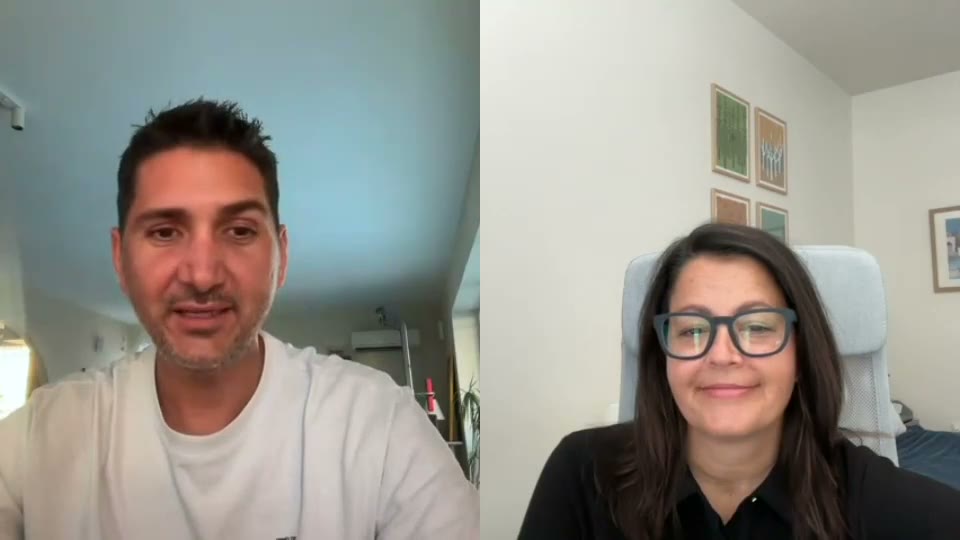
Live, one on one
30 min
Get the tactics from someone who's done it. Live, one on one.
After the call

Serhat Hocazade
Recording
You came in with
"Two months live, no clear ICP."
You left with
"Your first ten customers pick your ICP, not you."
17:55 / 30:00
Jump to the moment
Keep the recording, summary, and takeaways. Yours to implement.
What a GTM mentor does
A go-to-market mentor has already taken a product to market and figured out who to sell to, what to charge, and which door to walk through first. You get a 1:1 call with someone who has launched something at your stage and can tell you what to do next.
Most people arrive with "how do I even launch this," not a clear question. The job of the call is to turn that into a sequence. The usual moves:
- Order the launch. You walk in with a hundred urgent tasks and no order. You leave with the first three moves to make and the date to make them by.
- Narrow the customer. You are probably aiming at too many people. A mentor helps you pick the one segment worth winning first.
- Fix the offer and price. What you charge and how you package it is often the blocker, not the marketing around it.
- Pick the first channel. Instead of trying everything, you decide on the one channel to test deliberately, and what to ignore.
- Find the one bottleneck. A mentor spots the single part of the funnel holding everything back, so you fix that before anything else.
You also leave with a record. After each call, the takeaways are written down for you, ready to keep or skip:
 Serhat HocazadeGo-to-market runway review
Pick the one segment worth winning first, and the rest of the plan gets easier to sequence.
Line up your first ten customers by hand before the launch date, not after it.
KeepSkipGo deep on one channel and drop the other three, depth is what makes it repeatable.
KeepSkipAnchor the first price to the value you deliver and the market you sit in, not to a safe number.
KeepSkipWho you sell to first
"Who exactly am I selling to" runs underneath almost every go-to-market call. People keep widening the target out of fear that a narrow one is too small. The fix is the opposite: get specific about one segment, and the rest of the plan gets easier.
A mentor helps you stop marketing to everyone and pick the customer worth winning first:
- Niche down or stay broad. the most common early decision, and the answer is usually narrower than you are comfortable with.
- SMB or enterprise. a different motion, price, and sales cycle for each, so picking one drives everything downstream.
- Which buyer to target. the right role or title inside a company is often not the person you have been talking to.
- When your ICP is wrong. outreach that keeps failing is frequently aimed at the wrong audience, not written badly.
- A higher-value segment. shifting from a cheap, hard-to-reach buyer to a smaller, better-fit one can change the whole picture.
Mentors start diagnosing before the call. A typical first exchange after you book:
 Richmond Wong
Pricing before you launch
Pricing is where many go-to-market calls land. It is the thing this audience works through most, and usually the last thing they feel confident about before going live.
A mentor who has priced and repriced real products can help you work through the questions you keep circling:
- What to charge. anchoring your first price to the value you deliver and the market you sit in, not to a number that feels safe.
- Usage-based or flat. whether a subscription, a usage model, or a hybrid fits your product and your buyer.
- Tiers and packaging. how to split your plans so the right buyer self-selects into the right one.
- Show pricing or not. whether to put numbers on your site or qualify first, which depends on your motion and your deal size.
- Too high or too low. a read on whether your price is leaving money on the table or scaring buyers off.
Getting the price and packaging right before launch is cheaper than discovering it is wrong after you have a customer base anchored to the old number.
Where the number sits matters less than whether you can explain it. The defensible price is the one you can say out loud to a buyer.
Picking your first channel
Most early products grow on one accidental source of customers, usually referrals or word of mouth, and need a second one that is deliberate and repeatable. The instinct is to add several channels at once. The better move is to pick one, give it a fair test, and drop the rest.
A mentor helps you build a channel mix that fits your product, your margins, and your stage:
- Referrals to outbound. Turn the word of mouth you already have into a repeatable outbound or partnership motion.
- Partnership-led growth. Borrow other people's audiences when you cannot yet afford to buy your own.
- First paid ads. Decide whether paid is even the right first move, and how to start small without burning budget.
- LinkedIn and outbound. Move from a dormant profile and scattered messages to a channel that books calls.
Sequencing your launch
Many people on this page are days, weeks, or a couple of months from putting the thing into the market. The product is nearly built, the launch date is real, and there is no obvious order to the hundred things that feel urgent.
A mentor who has run launches can sequence the runway with you so you stop doing everything at once:
- Pre-revenue, first customers. where your first ten customers come from, and how to line them up before the date.
- MVP done, preparing to launch. what to finish, what to fake, and what to leave for after launch so you can go live.
- The launch sequence. the order of moves in the weeks around go-live, instead of one big-bang day and silence after.
- Near-zero traction after launch. how to read an early launch that landed flat, and what to change before you conclude it failed.
two moves, in order
Line up before the date
hoping buyers show up on launch day
ten customers lined up before you go live
Sequence the weeks
one big announcement, then silence
a planned move each week around go-live
Room to adjust
The date becomes one move in an ordered plan, so a flat first week reads as a signal to change course, not the end.
The order matters: line up the customers before you pick the day.
Validating demand first
A common, expensive trap is building or spending before checking that anyone wants the thing. Execution feels like progress, so it is easy to keep building when the next step is talking to buyers.
A mentor helps you put validation before the next big build:
- Is the pain real. whether there is a problem worth solving here, or whether you are solving one only you have.
- Customer discovery. what to ask in interviews so you learn something true instead of hearing polite encouragement.
- Early adopters and pilots. how to get a handful of real users to test the product before you scale anything.
- Validate, then build. knowing which assumption to test next, so you spend your build time on the thing that matters.
An hour of validation before the next sprint is worth more than another month of building on a guess.
a validation sprint, x-rayed
Ten interviews with people who have the problem, booked this week1. One question built to kill the idea, not to confirm it2. Three of them asked to pre-order or join a pilot3. The bar set in advance: two say yes before you write more code4.
The interviews
People who actually have the pain, not friends who will be kind about it.
The killer question
Written to hear a no. Polite encouragement teaches you nothing.
The ask
A pre-order or a pilot seat. A commitment is signal, talk is not.
The bar
A number you set before you start, so you cannot move it later.
Every part points at real demand, not opinion. A mentor helps you set the bar you cannot fudge.
GTM when you're not a marketer
Most people who book a go-to-market call are founders, not titled marketers. You own the function because there is no one else to own it, often without formal training, and there is no senior person to sanity-check your plan.
That is exactly who this works for. You do not need a marketing background to get value from a call. You need a specific problem and someone who has solved it before. Mentors regularly help:
- The sole marketer. the one person doing all of growth, who needs a second opinion and a way to prioritize the week.
- The founder who now owns GTM. no playbook to inherit, learning the function while running it, deciding what to ignore.
- A team with no GTM expertise. a small company where nobody has done this before and everyone is guessing together.
You do not need the title to get the value
The reader here is usually a founder figuring out go-to-market for the first time. Bring the thing you would ask a smart friend who has done it five times before, and you will leave with a plan.
Positioning to stand out
The product is built, but the words around it are not. The site is not ready, the message is fuzzy, and it is hard to say in one line why someone should pick you over the obvious alternative.
A mentor helps you say clearly what you do and why you win:
- Your real differentiator. the thing you do better, said plainly, instead of a list of features everyone also has.
- Positioning against a named competitor. how to frame yourself against the specific tool buyers compare you to, without trashing it.
- Say what it does for people. turning what the product is into what it does for the buyer, in their words.
- A site and message that are ready. getting the homepage and core message to a point where it can carry a launch.
Clear positioning makes every other go-to-market move easier, because the channel, the price, and the page all follow from who you are for and why you win.
a positioning line, x-rayed
The onboarding tracker built for B2B free trials1, for founder-led SaaS running their first launch2, so you see exactly where signups stall before they churn3. The alternative is a generic analytics suite you wire up yourself4.
The claim
One thing you win on, said plainly, not a feature list everyone also has.
The who
The narrow buyer it is for. A stranger should know if it is them.
The outcome
What changes for that buyer, in their words rather than yours.
The contrast
The named alternative you beat, so the buyer can place you fast.
Four parts, one sentence. When all four are true, the buyer places you in seconds.
When to book a call
You do not need a giant question. The most useful moments to book a call are the decision points, where a second opinion now saves a month of guessing later:
- You are launching soon. go-live is in the next month or two and you want the runway sequenced before the date hits.
- You are weighing an ICP or pricing call. you are about to commit to a customer or a price and want to pressure-test it first.
- Referrals will not scale. your one source of customers is leveling off and you need a deliberate second channel.
- You are about to push paid. the first ads budget is a real decision, and a read beforehand is cheap insurance.
- You just inherited the GTM function. first marketing hire, or a founder now owning growth, with no playbook to inherit.
A focused 30 minutes with the right mentor is usually faster than another month of figuring it out alone.
What a mentor can help with
Go-to-market is broad on purpose, and so is the network. You are not stuck with a single-channel specialist when your problem spans the whole launch. You can find someone who has done the specific thing you are working through:
- ICP and segmentation. Who you sell to first, and how narrow to go to make the rest of the plan work.
- Pricing and packaging. What to charge, how to tier it, and whether to put numbers on your site.
- Channel strategy. Referrals, outbound, partnerships, content, and the first paid push.
- Launch sequencing. The order of moves in the weeks before and after go-live.
- Validation and PMF. Customer discovery, early adopters, and testing demand before you build more.
- Positioning and messaging. Your differentiator, your site, and how you stand against named competitors.
- Conversion and onboarding. The path from first visit to first paying, retained customer.
- Building the GTM team. When and who to hire, and how to delegate as the function grows.
You can also run it in reverse: post what you are stuck on as a help request, and mentors raise their hands to take it.




What people book go-to-market calls about
Rarely what they end up solving. The ask on the booking form is usually a symptom, and a mentor who has done this work recognizes the pattern underneath it. Three that come up again and again:
walked in as, walked out as
Walked in as
A launch-day problem
What do we do on launch day?
Walked out as
A pre-launch problem
Who is lined up before it?
Walked in as
A scaling problem
Referrals stopped bringing in enough.
Walked out as
A repeatability problem
One deliberate channel, tested properly.
Walked in as
A positioning problem
Nobody gets what we do.
Walked out as
A targeting problem
You are aiming at everyone.
Three calls, one mechanic. The problem that leaves the room is never the one that walked in.
Why GrowthMentor
Every mentor on GrowthMentor is vetted before they are accepted. Fewer than 5% of applicants get in. They are founders and operators who have taken real products to market, not influencers selling a launch course.
Because the network is broad, you are not stuck with one specialist when your problem spans the whole launch. You can pressure-test the ICP this week, sequence the runway the next, and get a read on pricing the week before you go live, each time with someone who has done that exact thing.
Calls this month
Book the fourth call, or the fortieth. Nothing on this receipt changes.
People who were exactly where you are.
GrowthMentor enables us to swiftly get a world-class expert to give us guidance on any marketing issue or question in a matter of days.

Hamel Shah · Co-Founder
Read Hamel's storyKnowing I can always book a call to help me clarify what I'm doing is the best feeling in the world.

Lena Sesardic · Product Manager
Read Lena's storyI like to set my own strategies and then get help from experts to improve on them and check if I'm on the right track.

Minh · Solo Founder
Read Minh's storyIt gave me fast access to expert-level insights that I couldn't get from academic research or user surveys alone.
Nicola Rubino · Growth Marketing Consultant
Read Nicola's storySometimes I'm stuck at one step and all I need is someone who can share experiences of what they did when they were in my situation.

Annie Chen · Head of Marketing
Read Annie's storyI enjoy having pretty much instant access to a pool of worldwide, expert mentors who are keen to share their expertise and help others.

Carlos Terol · Co-Founder
Read Carlos's storyAsk ChatGPT
Don’t take our word for it.
Ask ChatGPT what it really knows about go-to-market mentors and GrowthMentor, then decide for yourself.
Before you join
What people ask before their first call.
Start narrow, not broad. The most common mistake is widening the target out of fear it is too small. A mentor who has launched a product like yours can help you pick one specific segment to win first, identify the right buyer inside it, and stop marketing to everyone.
Almost always narrower than feels comfortable. A sharp ICP makes your message land, your channel choice obvious, and your first wins repeatable. A mentor can help you choose the wedge to start with and tell you when it is safe to expand later.
Anchor your first price to the value you deliver and the market you sit in, not to a number that feels safe. A mentor who has priced real products can help you choose between usage-based and flat models, design your tiers, and read whether your price is too high or too low.
It depends on your motion and your deal size. Self-serve products usually benefit from showing it, while higher-touch sales often qualify first. A mentor can tell you which fits your buyer, instead of leaving it to a guess you reverse later.
Start from your product, your margins, and your stage, then pick one channel to test deliberately rather than running five at half effort. A mentor can help you choose where to go deep first and tell you which efforts to drop.
Most early products grow on referrals and then need a deliberate second channel. A mentor can help you turn the word of mouth you already have into a repeatable outbound or partnership motion, and fix outreach that keeps failing because it is aimed at the wrong people.
A launch is a sequence, not a single day. A mentor who has run launches can give you an ordered list for the weeks before and after go-live, help you decide what to finish versus leave for later, and line up where your first customers come from.
Talk to buyers before you build the next thing. A mentor can help you run customer discovery interviews that surface the truth, confirm the pain is real, and get a handful of early adopters to test the product, so you spend your build time on what matters.
Yes, and that is who most people on this page are. You do not need a marketing title to get value from a call. Most who book are founders owning the function without a dedicated team. Bring a specific problem and you will leave with a plan.
Say plainly what you do better and who you are for, instead of listing features everyone else also has. A mentor can help you find your real differentiator, position against the specific tool buyers compare you to, and get your site and message ready to carry a launch.
An agency runs the work and a course teaches the theory. A mentor gives you a practitioner's opinion on your specific situation, in real time, with no upsell. It is the fastest way to get unstuck on one decision.
Bring one specific problem and any context that helps: your product, your numbers, the decision you are weighing. GrowthMentor is a membership, and once you are a member, calls are included and most mentors offer their time for free. Browse the mentors above and book a 30-minute call directly on a calendar.
Still have questions? See all FAQs →
Related blog posts
Marketing
How to Define an ICP You Can Actually Use
An ICP that names an industry and a headcount decides nothing. Define the trigger, the job, and the threshold, then test it by which lead it turns down.
Read the postPricing
You don't have a pricing problem. No one understands your offer.
Stuck on how to structure your pricing tiers or what to charge? Usually the real problem is that no one understands your offer. Run the one-pager test, and price last.
Read the postMarketing
How to Explain What Your Startup Does in One Sentence
The one-liner won't come because the who is undecided. Pick one segment, fill the template, add one number, then test the sentence on three strangers.
Read the postYou could keep guessing. Or ask someone who's done it.
Every face here has already solved what you're working on in go-to-market. You're one call away.