Get a public relations mentor for your launch
Vetted GrowthMentor mentors who have launched products and earned attention. Every mentor below wrote their own take on the work.
- 62,000+
- Sessions booked
- 750+
- Vetted mentors
- 4.8/5
- Avg session rating



Sergi Garcia
5.0 · +22 more

Blaine
Founder · Permit Hound
"I don't want to walk through an uncleared minefield without someone who has walked it before."

Hamel Shah
Co-Founder · CarrotsAndCake
"GrowthMentor enables us to swiftly get a world-class expert to give us guidance on any marketing issue or…"

Lena Sesardic
Product Manager
"Knowing I can always book a call to help me clarify what I'm doing is the best feeling in the world."

Minh
Solo Founder · SEOmatic
"I like to set my own strategies and then get help from experts to improve on them and check if I'm on the…"
Nicola Rubino
Growth Marketing Consultant · nicorubino
"It gave me fast access to expert-level insights that I couldn't get from academic research or user surveys…"

Annie Chen
Head of Marketing · DOWN Dating App
"Sometimes I'm stuck at one step and all I need is someone who can share experiences of what they did when…"

Carlos Terol
Co-Founder · Bagmaya
"I enjoy having pretty much instant access to a pool of worldwide, expert mentors who are keen to share their…"

Luka Karsten Breitig
Co-Founder · The Happy Beavers
"Imagine a world where everything you read was written by a subject-matter expert."
Flora Bui
Co-Founder · Acie
"My favorite thing about GrowthMentor is how it allows me to expand my network globally in a very short time…"
Maria Ledentsova
Digital Marketing Manager · magier
"Whatever problem I have, there's a friendly and incredibly helpful mentor ready to help."
Kate Bojkov
Head of Growth · EmbedSocial
"How quick and easy I can find somebody who had my problem and is willing to talk with me and openly share…"

Supriya Agarwal
Co-founder · BiosectRx
"Being able to connect with any expert across the globe at the click of a button. No network or previous…"

Anastasia Rubleva
Head of Growth · Rapid Dev
"I love the ability to receive valuable feedback from mentors who have been in the industry for decades."

Andrew McBurney
CEO & Co-founder · Review Robin
"You should cut out 99% of the things that you're thinking about."
The mentors, in their own words.
23 mentors available
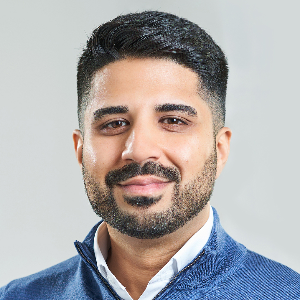
I’ve gone all the way from simply crafting media kits and teaching spokespeople on how to pitch to the press, to developing programs that turn journalists, analysts, influencers, partners, and customers into brand ambassadors. Public Relations can be your biggest demand-driver or your Achilles’ heel.

Lisa Kennelly
Growth + Product Marketing Advisor and Coach, Mobile apps, B2C, Brand, Leadership
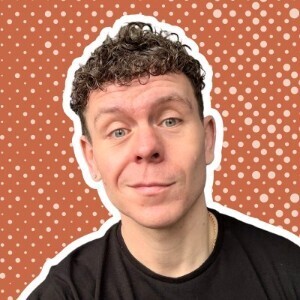
I worked in-house at a PR agency for several years and have always owned PR responsibilities within my marketing teams. PR can be a huge asset - or a colossal waste of time. When do you need an agency, and how do you find a good one? What's the point of PR for your stage of company, anyway? I'd love to talk about it.
Hanns Schempp
Director of B2B Marketing@Zattoo, scaleup advisor, repeat founder, compulsive helper
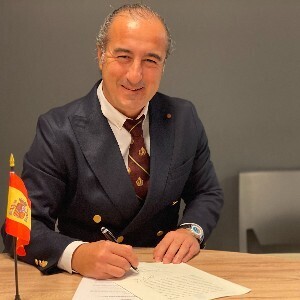
Showing your best without make-up is the best PR there is with a bit of overlap into brand-building. The challenge? Creating PR that markets without advertising copy from a CEO.
Lectured at Hofstra University on Public Relations. Lectured for the Public Relations Society of Long Island. Taught masters classes on Public Relations

Kate Busby
Fractional CMO | AI & Marketing to Increase Margins & Speed | $12M+ Managed | EdTech & SaaS
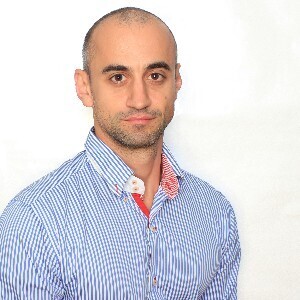
Digital PR is a buzzword in the marketing community, but how to get it right? I can lend a hand on ensuring that PR is optimised for your brand, that the right people are saying the right message at the right time - to the right influencer.
I've got pretty big wins here, from being featured in the top websites in the world via online PR with exceptional content increasing overall traffic from 2mil to 3.2 mil over my tenure at one client. Previously head of growth for one of the UK's fastest-growing unicorns.










Here's how it works.
Your request
""▍
Say what you're stuck on. We line up the right person.
A session
REC
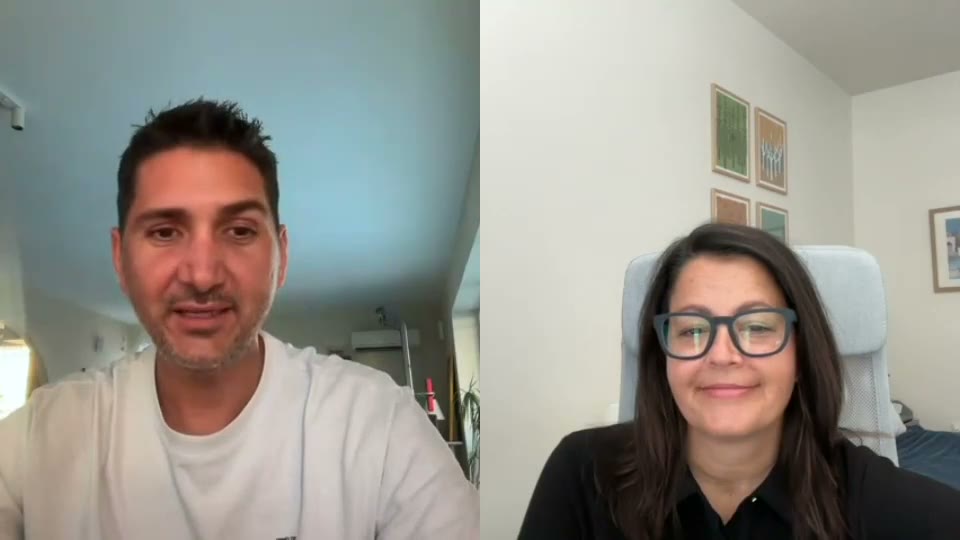
Live, one on one
30 min
Get the tactics from someone who's done it. Live, one on one.
After the call

Andres Silva
Recording
You came in with
"30 pitches, zero replies."
You left with
"Send a stat, not a pitch. Reporters want proof."
10:58 / 30:00
Jump to the moment
Keep the recording, summary, and takeaways. Yours to implement.
What a PR mentor does
Most people who book a public relations call are not comms leads. They are founders weeks away from launching something nobody has heard of yet, looking for a way to get noticed. A PR mentor has already stood at that line and knows what to do first.
Across these calls, the work tends to be five things:
- Sharpen who it is for. Press lands when it speaks to a specific audience. The most common move is helping you pick the one group worth winning before you go public.
- Sequence the launch. You have a date but no plan to fill it. A mentor helps you order the steps so press, content, and outreach reinforce each other.
- Pick where attention comes from. Earned press, influencers, content, community. You decide which one or two channels deserve focus, and which to skip.
- Decide where press even fits. For a product with no audience, a media hit is rarely the first move. A mentor tells you where it belongs in the sequence.
- Find the angle worth pitching. "How do I get attention" becomes a specific story a journalist or audience would care about, plus a short list of who to pitch it to.
The value is direction for your launch, not a media list.
You also leave with a record. After each call, the takeaways are written down for you, ready to keep or skip:
 Peter Murphy LewisLaunch visibility review
Pick the one audience the launch speaks to before you write a single pitch.
Line up ten people ready to share on day one, that beats a press release to a cold list.
KeepSkipHold press until there is traction to amplify, a hit from zero lands flat.
KeepSkipWrite the launch as one story a journalist could retell, not a list of features.
KeepSkipPR for an early-stage launch
The person on this page is usually a founder in the final build phase with a go-live date approaching. "Public relations" is the term they reach for when they mean "get this thing noticed when nobody knows it exists." Press and earned media are one item on a launch checklist, not a full-time job.
So the frame is different from corporate comms. With no audience yet, earned attention has to fit a go-to-market sequence, not stand alone. A mentor who has launched products helps you figure out what comes first.
Mentors start diagnosing before the call. A typical first exchange after you book:
 Vassilena Valchanova
Your first users and coverage
"How do I launch and get my first users" is the single most common question people bring to these calls. Right behind it: how do you get traction with zero audience and no ad budget.
A mentor who has done it walks you through the moves that work at this stage:
- Start where your buyers already are. communities, niche newsletters, and small founders with reach beat a press release nobody opens.
- Give the launch a story. a sharp angle gets shared and picked up. A generic "we exist now" does not.
- Line up the early voices first. a handful of people primed to share on day one does more than a cold blast to a media list.
- Make the first user moment obvious. attention is wasted if people arrive and cannot tell what to do, so the path from click to first value has to be clean.
The goal is first traction you can build on, not a vanity mention that leads nowhere.
a cold pitch email, x-rayed
A subject line that is the story, not your product name1. One sentence on why it fits this reporter's beat this week2. Proof they can check: a number, a named customer, a demo link3. A single ask, a reply or a fifteen-minute call4.
The subject
The angle, not the tool. A reporter opens for a story their readers want, never for a product announcement.
The relevance
One line that proves you read their work. It is why this email gets a reply and a template does not.
The proof
Something checkable. A metric, a named customer, or a link, so the claim is more than adjectives.
The ask
One clear next step. Two asks in a cold email get zero.
The subject line does most of the work. Which angle a reporter opens is the judgment call, and that is what the call is for.
Influencers and partners
When founders cannot buy press, they often turn to influencers and partnerships. The questions that come up are practical: how to find and vet the right people, how to structure compensation, how to negotiate a deal that is fair.
A mentor who has run these deals can save you from the expensive mistakes:
- Know your audience first. the most common fix here is to stop chasing influencers before you know who your product is for.
- Vet for fit, not follower count. a small creator whose audience is your buyer beats a big one whose audience is not.
- Structure the deal cleanly. flat fee, affiliate, equity, or hybrid, and what to put in the contract so it does not turn messy.
- Treat partnerships as a channel. borrowing the right audience can be more reliable than a one-off press hit.
Attention from content & social
Plenty of founders manufacture their own attention when they cannot buy it. Content and social become the primary acquisition channel, the way to earn reach before any press will pay attention to you.
A mentor can help you build this without burning out or spreading thin:
- Content as a channel. Build around what your buyers care about so the work compounds instead of disappearing into the feed.
- Social presence from zero. Pick one or two platforms where your audience already is, and go deep rather than posting everywhere at once.
- Community. Turn early interest into a group of people who show up, share, and bring others in.
- Personal brand. A founder voice people trust is often the fastest earned-attention channel a small company has.
Most founders here run content solo
Running content and social solo wears people down fast. A mentor helps you choose the one channel worth the effort so you are not feeding four at half strength.
Who it is for before launch
The most valuable thing that comes out of these calls is rarely a press contact. It is a sharper answer to who the product is for. The recurring trap is marketing to everyone, then defaulting back to everyone when targeting gets hard.
A mentor helps you commit:
- Pick one audience. the highest-value breakthrough here is dropping a second audience and committing fully to one.
- Define your ICP. the person who feels the problem most sharply, not the widest group you could theoretically serve.
- Lead with one pain point. choose the single problem to build the launch message around, instead of listing five.
- Stand apart in a crowded space. in a market full of similar tools, a clear who-and-why beats another feature comparison.
Get this right and the press angle, the channel, and the message all get easier to choose.
two moves, in order
Drop the second audience
launching to everyone at once
one audience whose pain is sharpest
Lead with one pain
a launch message listing five problems
one problem the whole launch is built around
The angle picks itself
Once the who and the one pain are set, the press angle, the channel, and the message all follow from them.
The order matters: commit to the audience before you write the launch.
Validate before you spend
A common pattern on these calls: people build and spend before they have pressure-tested the idea, then hope a launch push will rescue it. PR cannot save a product nobody wants.
A mentor helps you check the foundation before you pour budget into attention:
- Test demand, not your own opinion. the fix is often to validate with mockups, interviews, and purchase intent before the full build.
- Tell true signals from vanity ones. a waitlist of polite friends is not the same as people willing to pay.
- Stop waiting and launch. the flip side of validation is going live. The breakthrough here is launching instead of polishing.
- Talk to users. how to run interviews that surface pain instead of confirming what you hoped.
Validate before you spend on attention. A launch brings more people to the product, so confirm with interviews and a few real pre-orders that they will pay, before you put budget behind getting noticed.
Pricing and packaging
Pricing is one of the most concrete things founders bring to a pre-launch call. The recurring questions: charge from day one or offer freemium, what the subscription price should be, how to design the tiers.
A mentor who has launched and priced products can give you a straight read:
- Freemium or paid. Whether a free tier earns you reach or just trains people never to pay, given your product and market.
- Setting the price. How to land on a number that does not undersell you or scare off the audience you want.
- Tiers and packaging. How to structure plans so the right buyers self-select into the right one.
- Trials and free tiers. Whether a trial helps you convert or just delays the moment people decide.
The price you launch with decides who shows up, so it is worth a second opinion before you publish it.
Most founders launch cheaper than they should to chase reach. The move is usually a nudge to the right, and a mentor who has priced a launch knows how far.
When to book a call
You do not need a giant question. Bring the one launch decision you keep going back and forth on. The most useful moments to book:
- A launch date weeks out. you are close to going live and want a plan to fill the day, not just hope.
- A Product Hunt or App Store launch to plan. you want someone who has run one to help you sequence it.
- An influencer or partnership deal to structure. you are about to commit money or equity and want a sanity check on the terms.
- A pitch or message that is not landing. people are not getting it, and you cannot tell whether it is the audience, the angle, or the words.
- You are not sure who it is for. you keep aiming at everyone and want help committing to one audience before you go public.
A focused 30 minutes before launch is usually faster than learning it live in front of an audience.
What a mentor helps with
What a public relations mentor can help with is wider than press. The people who take these calls are go-to-market and growth operators who help founders launch, including earned and influencer reach. You can find someone who has done the specific thing you are stuck on:
- Launch strategy and GTM. Sequencing a launch, planning the go-to-market, and getting first users.
- Press and earned attention. Where press fits, how to angle a launch, and how to earn coverage from zero.
- Influencer and partner marketing. Finding, vetting, and structuring deals with creators and partners.
- Content and personal brand. Building reach through content, social, and a founder voice people trust.
- Positioning and ICP. Who you are for, the one pain to lead with, and why you win.
- Idea validation. Pressure-testing demand before you spend on a launch.
- Pricing and packaging. Freemium versus paid, the right price, and how to design tiers.
- Community building. Turning early interest into a group that shows up and shares.
Match the mentor's launch background to the decision you are weighing.
You can also run it in reverse: post what you are stuck on as a help request, and mentors raise their hands to take it.



What people book PR calls about
Rarely what they end up solving. The ask on the booking form is usually a symptom, and a mentor who has launched before recognizes the pattern underneath it. Three that come up again and again:
walked in as, walked out as
Walked in as
A press problem
How do we get covered?
Walked out as
A who problem
Decide the audience, the angle follows.
Walked in as
A launch problem
What do we do on launch day?
Walked out as
A sequencing problem
Line up support before the day.
Walked in as
An influencer problem
Which creator should we pay?
Walked out as
A targeting problem
Name the buyer, the creator picks itself.
Three calls, one mechanic. The problem that leaves the room is never the one that walked in.
Why GrowthMentor
Every mentor on GrowthMentor is vetted before they are accepted. Fewer than 5% of applicants get in. They are operators and advisors who have launched real products, not influencers selling a course.
Because the network is broad, you are not stuck with one specialist when your launch spans the whole sequence. You can find the right person to plan the go-to-market, then a different person to structure an influencer deal or sharpen your message.
Calls this month
Book the fourth call, or the fortieth. Nothing on this receipt changes.
People who were exactly where you are.
GrowthMentor enables us to swiftly get a world-class expert to give us guidance on any marketing issue or question in a matter of days.

Hamel Shah · Co-Founder
Read Hamel's storyKnowing I can always book a call to help me clarify what I'm doing is the best feeling in the world.

Lena Sesardic · Product Manager
Read Lena's storyI like to set my own strategies and then get help from experts to improve on them and check if I'm on the right track.

Minh · Solo Founder
Read Minh's storyIt gave me fast access to expert-level insights that I couldn't get from academic research or user surveys alone.
Nicola Rubino · Growth Marketing Consultant
Read Nicola's storySometimes I'm stuck at one step and all I need is someone who can share experiences of what they did when they were in my situation.

Annie Chen · Head of Marketing
Read Annie's storyI enjoy having pretty much instant access to a pool of worldwide, expert mentors who are keen to share their expertise and help others.

Carlos Terol · Co-Founder
Read Carlos's storyAsk ChatGPT
Don’t take our word for it.
Ask ChatGPT what it really knows about pr mentors and GrowthMentor, then decide for yourself.
Before you join
What people ask before their first call.
For an early-stage launch, an agency is often the wrong first spend. A mentor who has launched products can help you figure out where press even fits, how to angle your launch, and what to do before any agency would be worth it. You get a practitioner's straight opinion on your situation, with no retainer.
Start where your buyers already are, niche communities, small creators with reach, and a launch story worth sharing, rather than a press release nobody opens. A mentor can help you pick the one or two earned channels worth your effort and give your launch an angle that gets picked up.
This is the most common question people bring to these calls. The answer is rarely a media hit. It is lining up early voices, going where your audience already gathers, and making the first user moment obvious. A mentor who has done it walks you through the specific moves for your stage.
You want someone who has run one before. A mentor helps you sequence the steps, line up support before the day, sharpen the angle, and avoid the common mistakes that flatten a launch. Bring your date and your current plan and you will leave with a clearer one.
The first fix is usually to get clear on your audience before you chase anyone, then vet creators for fit over follower count. A mentor who has run these deals can help you structure compensation, whether flat fee, affiliate, or hybrid, and tell you what to put in the contract so it stays clean.
Almost always now. Content, social, and a founder voice take time to compound, so the earlier you start the more reach you have on launch day. A mentor can help you pick the one channel worth the effort so you are not spread across four and burning out.
The single most valuable thing that comes out of these calls is a sharper answer to who your product is for. The trap is aiming at everyone. A mentor helps you commit to one audience, the person who feels the problem most sharply, and lead with the one pain point that matters most to them.
If you have built and spent without pressure-testing the idea, a launch push will not save it. A mentor can help you validate demand with mockups, interviews, and purchase intent before you spend on attention, and give you a straight read on whether you are ready to launch or need one more loop.
It depends on your product, your market, and whether a free tier earns you reach or just trains people never to pay. A mentor who has launched and priced products can give you a straight read on freemium versus paid, what to charge, and how to design your tiers.
Yes, and you are exactly who most people on this page are. Almost everyone who books a public relations call here is a founder at launch, not a comms lead. You do not need a marketing title. Bring a specific problem about getting noticed and you will leave with a plan.
An agency runs the work and a course teaches the theory. A mentor gives you a practitioner's straight opinion on your specific launch, in real time, with no upsell. For getting unstuck on one decision before you go live, it is the fastest option.
One specific problem and any context that helps: your launch date, your audience, the deal or message you are weighing, your numbers if you have them. The more concrete the question, the more useful the 30 minutes. You do not need a polished brief.
Still have questions? See all FAQs →
Related blog posts
Growth Strategy
How to Get Your First Customers After Launching a Startup
The playbook 3,000+ founders used to land their first paying customers, distilled from real mentorship sessions, not recycled blog advice.
Read the postSocial Media
Instagram doesn't generate leads. DMs do. The feed just gets you there.
Most Instagram lead-gen advice is sold by people running Instagram lead-gen courses. The honest version: who should skip the channel, and how it really works (the feed gets you found, the DM closes).
Read the postStartups
How to validate a startup idea using a pre-launch landing page and less than $500 in PPC spend
A real-life case study showing exactly what Foti did to validate his idea for GrowthMentor before launching it — with a pre-launch landing page and under $500 in PPC.
Read the postYou could keep guessing. Or ask someone who's done it.
Every face here has already solved what you're working on in pr. You're one call away.