Get a user research mentor who has done discovery before
Vetted GrowthMentor mentors who help founders interview customers, narrow the ICP, and decide what to build. Every mentor below wrote their own take on the work.
- 62,000+
- Sessions booked
- 750+
- Vetted mentors
- 4.8/5
- Avg session rating




Vassilena (Vassy) Valchanova
5.0 · +59 more

Blaine
Founder · Permit Hound
"I don't want to walk through an uncleared minefield without someone who has walked it before."

Hamel Shah
Co-Founder · CarrotsAndCake
"GrowthMentor enables us to swiftly get a world-class expert to give us guidance on any marketing issue or…"

Lena Sesardic
Product Manager
"Knowing I can always book a call to help me clarify what I'm doing is the best feeling in the world."

Minh
Solo Founder · SEOmatic
"I like to set my own strategies and then get help from experts to improve on them and check if I'm on the…"
Nicola Rubino
Growth Marketing Consultant · nicorubino
"It gave me fast access to expert-level insights that I couldn't get from academic research or user surveys…"

Annie Chen
Head of Marketing · DOWN Dating App
"Sometimes I'm stuck at one step and all I need is someone who can share experiences of what they did when…"

Carlos Terol
Co-Founder · Bagmaya
"I enjoy having pretty much instant access to a pool of worldwide, expert mentors who are keen to share their…"

Luka Karsten Breitig
Co-Founder · The Happy Beavers
"Imagine a world where everything you read was written by a subject-matter expert."
Flora Bui
Co-Founder · Acie
"My favorite thing about GrowthMentor is how it allows me to expand my network globally in a very short time…"

Maria Ledentsova
Digital Marketing Manager · magier
"Whatever problem I have, there's a friendly and incredibly helpful mentor ready to help."

Kate Bojkov
Head of Growth · EmbedSocial
"How quick and easy I can find somebody who had my problem and is willing to talk with me and openly share…"

Supriya Agarwal
Co-founder · BiosectRx
"Being able to connect with any expert across the globe at the click of a button. No network or previous…"

Anastasia Rubleva
Head of Growth · Rapid Dev
"I love the ability to receive valuable feedback from mentors who have been in the industry for decades."

Andrew McBurney
CEO & Co-founder · Review Robin
"You should cut out 99% of the things that you're thinking about."
The mentors, in their own words.
60 mentors available
I've spent more than a decade in digital marketing, with a primary focus in e-commerce and SaaS. My last role at a B2C SaaS startup with more than 500,000 registered users. Then I decided to go solo and work as an independent consultant on other exciting projects - and I always like to see new ones! I have extensive experience using the Jobs-to-be-done methodology to execute product repositionings.

More than anything nowadays I help people with user research. I find more and more that people are failing to talk to their users and keep them as loyal and trusted partners throughout development. It's something that has been empirically shown to be #1 reason for startups failing in "Why Startups Fail" by Tom Eisenmann
Spyros Tsoukalas
Building MVPs in 2-3 weeks | Passionate No-Coder ⚙️ | Startups & Productivity Junkie 📝 | ex-GrowthMentor 💜
User Research is suuuuch a great tool for your startup. I've executed User Research interviews, both for new products and existing ones, having invested time in planning, rewards, scripts & execution, Jobs To Be Done etc.

Lisa Kennelly
Growth + Product Marketing Advisor and Coach, Mobile apps, B2C, Brand, Leadership
User research is such a secret weapon for successful companies! Whether you want to run qualitative or quantitative research, through polls, surveys, interviews, or beta testers, I can help you come up with a sound approach to validate your hypotheses and make sure your product resonates with your target customer.

Harri Thomas
Founder. Scaled from Bootstrapped to PE Exit, via 4 VC Rounds. Also Former Facebook UXR.
I've done user research from every seat: market research at an insights agency on Madison Avenue in New York, Senior UX Researcher at Meta, Head of Research & Strategy at Picnic (where I set up the research practice from scratch), Co-founder of Respondent serving researchers, and now Chief of Staff at Great Question, which is also a research tooling business. Very few people have seen the discipline from as many angles.
Obsessed with Product-led Growth and Jobs-to-be-done Customer research, over 10 years of experience in various sectors with a particular appetite for productized services and SaaS businesses.










.jpeg)



.png)











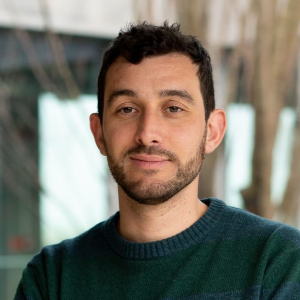




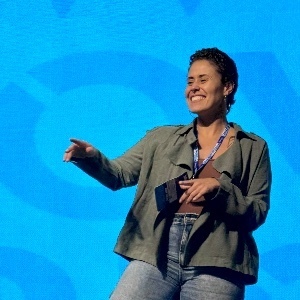

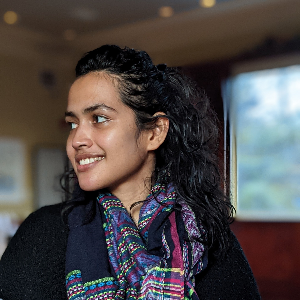














54 more user research mentors
Create a free account to see everyone and book a call.
Create an accountHere's how it works.
Your request
""▍
Say what you're stuck on. We line up the right person.
A session
REC
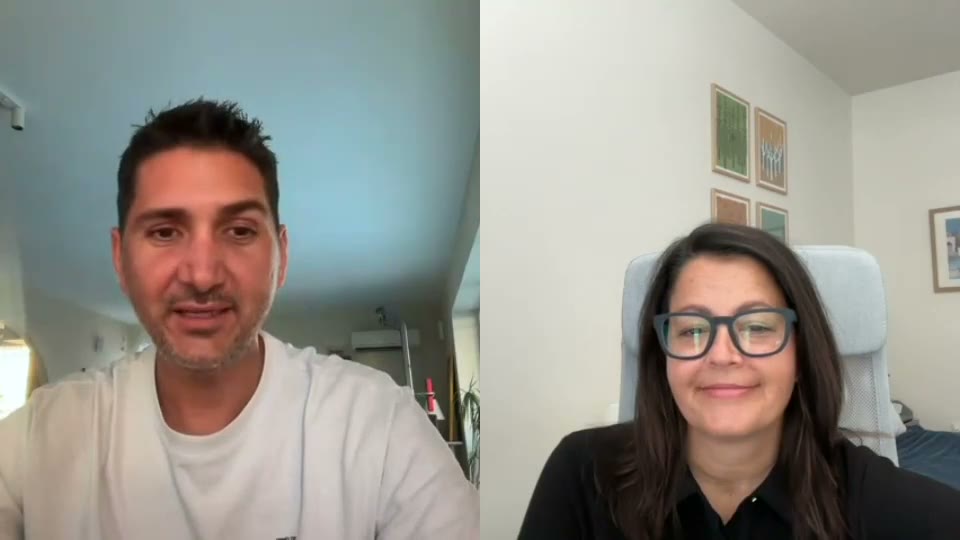
Live, one on one
30 min
Get the tactics from someone who's done it. Live, one on one.
After the call

Denis Balitskiy
Recording
You came in with
"Ten interviews, no clear signal."
You left with
"Ask what they did last time, not if they'd use this."
08:16 / 30:00
Jump to the moment
Keep the recording, summary, and takeaways. Yours to implement.
What a research mentor does
A user research mentor has already run discovery for a product like yours. You get a 1:1 call with someone who has interviewed customers, made the wrong call once or twice, and learned to read what the conversations are saying.
Most calls do some version of five things:
- Read your evidence. You bring what you heard in your interviews. A mentor tells you whether it holds up, or whether you are hearing what you hoped for.
- Narrow the ICP. Most founders are still aiming at everyone. A mentor helps you pick the one segment worth building for first.
- Reframe the problem. A vague idea becomes a concrete, testable one, with a named assumption everything rests on.
- Decide whether to build. Sometimes the answer is validate first with a mockup or a manual version, not write more code.
- Fix the questions you ask. If your interviews fish for praise, the answers are worthless. A mentor helps you ask about what people did.
The value is direction on what your research is telling you, not a methodology lecture.
You also leave with a record. After each call, the takeaways are written down for you, ready to keep or skip:
 Dani WhitestoneUser research review
Rewrite the three questions that pitch your idea into questions about what they did last month.
Run five to eight interviews in the one segment that feels the pain sharpest, then stop and decide.
KeepSkipScreen recruits for the workaround they already built, not the job title on their profile.
KeepSkipPick one buyer to build for next, the four you are hedging between are why nothing converts.
KeepSkipWhere discovery gets stuck
Most people book a call stuck on something specific:
- Interviews done, decision not. you talked to plenty of people, you have notes and transcripts, and you still cannot make the call on what to do next.
- Too many possible audiences. you can picture three or four kinds of buyer and you are trying to serve all of them at once, so the signal stays muddy.
- Built before validating. you have a product and almost no proof anyone wants it, and now you are reverse-engineering demand after the fact.
- Polite encouragement. friends and warm contacts tell you it is a great idea, and you cannot tell whether that is real or just people being nice.
- Said yes, then did not buy. people told you they would use it or pay for it, and when you launched, almost nobody showed up.
- Cannot find people to talk to. recruiting the right interviewees, especially specific B2B buyers, is harder than running the interviews themselves.
Most here are early founders doing discovery solo
The reader on this page is usually a founder before product-market fit, running interviews alone, often from a technical or consulting background. You do not need to be a trained researcher to get value from a call. You need a specific decision you are trying to make.
Asking questions that get truth
The biggest mistake in customer discovery is asking for opinions instead of facts. "Do you like this?" and "Would you pay?" invite people to be nice to you, and being nice is not the same as buying.
A mentor helps you run interviews that change your mind rather than confirm it:
- Talk about their life, not your idea. the moment you pitch, the customer starts reacting to you instead of telling you about their own world.
- Ask about past behavior. what they did last time they hit this problem beats anything they predict they would do in future.
- Listen far more than you talk. as a rule of thumb, the customer should be speaking around eighty percent of the time.
- Drop the leading questions. any question that hints at the answer you want will get you that answer, and teach you nothing.
an interview script, x-rayed
“Walk me through the last time this problem actually came up”1. “What did you do about it, step by step?”2. “What had you already tried, and why did it not stick?”3. “What are you paying for a workaround today?”4.
The warm-up
Opens on their last real attempt, not your idea. They describe their own world before they can react to yours.
The story question
Follows what actually happened next. A story you can check beats an opinion you cannot.
The follow-up
Digs for the workaround and what it cost. Effort already spent is the truest read on the pain.
The wallet question
Ends on what they already pay. Money moving today predicts money moving tomorrow.
Four questions, none of them about your idea. A mentor who has run discovery hears the leading one before you ask it.
Finding people to interview
Recruiting the right people is the part founders underestimate. Getting an interview is easy. Getting the right interview is hard, especially in B2B where you need a specific role and situation, not just anyone willing to talk.
A mentor who has done this can help you screen and source:
- Screen for fit. filter for role, company type, and recent behavior, not just a job title, so you are not interviewing the wrong person.
- Use the channels that work. communities where your buyers already gather, targeted outreach, and panels each fit different audiences.
- Find the people who feel the pain. the most useful early interviewees already feel the problem and have tried to solve it themselves.
- Give it more time than you think. recruiting takes longer than the interviews, so a mentor helps you plan for it instead of stalling on it.
two moves, in order
Screen before you invite
anyone who replies to the post
people in the role who hit this in the last month
Source where the pain already shows
a blast to a big general group
the thread where they are asking how to fix it
Interviews with people who feel it
Every conversation is with someone who has lived the problem, so the notes are worth synthesizing.
The order matters: screen for the pain before you spend a week recruiting the wrong people.
How many interviews you need
There is no magic number, and chasing one is a way to avoid acting. The signal you are looking for is pattern saturation, the point where each new conversation mostly confirms what you already heard.
A mentor gives you a practical read on when to stop and decide:
- Run focused sprints. five to eight interviews per segment in a tight batch beats fifty spread over months with no synthesis in between.
- Stop at saturation. when you can predict roughly three quarters of what the next person will say, more interviews are delaying the decision.
- Keep segments clean. talking to too many different buyer types at once gives you conflicting noise, not depth.
- Decide, then test again. research is a loop, so you do enough to make the next call, act, and come back with a sharper question.
Mentors start diagnosing before the call. A typical first exchange after you book:
 Barbara Stewart
Turning interviews into a call
Synthesis is the step most founders skip. You finish the interviews, you have a pile of notes, and the leap from notes to a decision never happens. A mentor walks that step with you.
The work is turning raw conversations into something you can act on:
- Cluster the patterns. group what you heard into themes so the signal separates from the one-off comments and the noise.
- Find the underlying need. people ask for a faster horse. A mentor helps you hear the job behind the request instead of building the literal ask.
- Separate problems from features. feature requests are loud, but the prize is the problem worth solving, which usually sits underneath them.
- Name the decision. the point of synthesis is a call: who you build for, what you build first, or whether to build at all yet.
A read of your own evidence from someone who has done this is usually faster than another round of interviews.
The interviews are rarely the missing part. Turning the notes into one decision is where most people stall.
Defining your ICP
Underneath almost every user research call is one question: who is this for. The most common breakthrough is narrowing from everyone to one segment you can win.
A mentor helps you sharpen the target from what you heard:
- Pick a beachhead. one specific group you can serve and win first, instead of a broad category you can only serve thinly.
- Split the org from the buyer. in B2B, the company type and the person inside it who feels the pain are two different things to define.
- Find the sub-segment. inside a broad market there is usually a narrow slice that feels the problem most, and that is where you start.
- Stop marketing to everyone. a message aimed at one audience lands. A message aimed at all of them lands on none of them.
Validating before you build
The most expensive way to learn something is to build it and watch nobody come. Before you commit to the full MVP, there are cheaper ways to find out if the demand is real.
A mentor helps you design the smallest test that could prove you wrong:
- Mockups over code. a clickable mockup or a simple design often tells you what you need before a single feature is built.
- Do it manually first. deliver the outcome by hand for a few customers, learn what they value, then automate only what works.
- Landing pages and waitlists. a page that tests demand can confirm or kill an assumption in days instead of months.
- Watch behavior, not promises. a small payment or a real sign-up beats a survey, because what people do is more honest than what they say.
The goal is to validate or kill the riskiest assumption first, then build with proof behind you.
two moves, in order
Test the demand, not the build
write another month of code
put up a landing page and count the sign-ups
Deliver it by hand first
ship the full MVP
run the outcome manually for five buyers
Proof before the build
You commit to code only after the riskiest assumption has survived a cheap test.
The order matters: prove someone wants it before you spend the month building it.
When to book a call
You do not need a giant question. Bring the discovery decision you are stuck on right now. The most useful moments to book:
- You have an idea and are unsure who it is for. you can feel the product but cannot pin down the one audience to start with.
- Your interviews gave conflicting signals. different people pulled you in different directions and you cannot tell which to trust.
- You are about to build and want a gut check. before you commit serious time to the MVP, you want someone to pressure-test the assumption underneath it.
- You keep getting polite encouragement. everyone says it is a great idea and you want a straight read on whether that means anything.
- You built first and nobody bought. you want help figuring out whether it is the audience, the problem, or the message.
A focused 30 minutes with someone who has run discovery beats weeks of second-guessing your own notes.
You can also run it in reverse: post what you are stuck on as a help request, and mentors raise their hands to take it.

What people book user research calls about
Rarely what they end up solving. The ask on the booking form is usually a symptom, and a mentor who has done this work recognizes the pattern underneath it. Three that come up again and again:
walked in as, walked out as
Walked in as
A recruiting problem
Can’t find anyone to interview.
Walked out as
A screening problem
You’re talking to whoever, not who hurts.
Walked in as
A question problem
The interviews go nowhere.
Walked out as
A leading problem
Every question fishes for a yes.
Walked in as
A data problem
We need more interviews.
Walked out as
A synthesis problem
The notes never became a decision.
Three calls, one mechanic. The problem that leaves the room is never the one that walked in.
Why GrowthMentor
Every mentor on GrowthMentor is vetted before they are accepted. Fewer than 5% of applicants get in. They are founders and operators who have run real customer discovery, not influencers selling a course.
Come to pressure-test your read of the market. Because the network is broad, you can find someone who has validated a product like yours, then a different person for positioning, go-to-market, or the build that follows.
Calls this month
Book the fourth call, or the fortieth. Nothing on this receipt changes.
People who were exactly where you are.
GrowthMentor enables us to swiftly get a world-class expert to give us guidance on any marketing issue or question in a matter of days.

Hamel Shah · Co-Founder
Read Hamel's storyKnowing I can always book a call to help me clarify what I'm doing is the best feeling in the world.

Lena Sesardic · Product Manager
Read Lena's storyI like to set my own strategies and then get help from experts to improve on them and check if I'm on the right track.

Minh · Solo Founder
Read Minh's storyIt gave me fast access to expert-level insights that I couldn't get from academic research or user surveys alone.
Nicola Rubino · Growth Marketing Consultant
Read Nicola's storySometimes I'm stuck at one step and all I need is someone who can share experiences of what they did when they were in my situation.

Annie Chen · Head of Marketing
Read Annie's storyI enjoy having pretty much instant access to a pool of worldwide, expert mentors who are keen to share their expertise and help others.

Carlos Terol · Co-Founder
Read Carlos's storyAsk ChatGPT
Don’t take our word for it.
Ask ChatGPT what it really knows about user research mentors and GrowthMentor, then decide for yourself.
Before you join
What people ask before their first call.
Talk about the person's life, not your idea, and ask what they did the last time they hit the problem rather than what they think they would do. Let them talk far more than you do. A mentor who has run discovery can listen to a recent interview with you and show you where you are leading the witness.
Polite encouragement happens because people are being nice, and because your questions invite praise. Stop asking whether they like the idea and start asking about past behavior and what they have already tried. A mentor can help you rewrite your questions so the answers are worth something.
There is no magic number. Run focused sprints of roughly five to eight interviews per segment and stop when each new conversation mostly confirms what you already heard. A mentor can tell you whether you have reached that point or are still avoiding the decision.
Recruiting the right people, especially specific B2B buyers, is usually harder than running the interviews. Screen for role, company type, and recent behavior, not just a job title, and look for people who already feel the problem. A mentor can help you pick the channels that fit your audience.
Avoid anything that fishes for a yes: do you like this, would you use it, would you pay for it. Those invite opinions and politeness, not facts. A mentor can help you swap them for questions about history and behavior that predict whether people will buy.
Stated intent and behavior diverge constantly. A yes in an interview costs nothing, so it is not a commitment. A mentor can help you design lighter tests, like a small payment or a sign-up, that surface genuine demand before you build the whole thing.
The most common breakthrough is narrowing from everyone to one segment you can win first. In B2B, separate the company type from the specific person who feels the pain. A mentor can help you pick a beachhead from what you heard in your interviews instead of trying to serve everybody.
Synthesis is the step most founders skip. Cluster what you heard into themes, look for the underlying need behind the feature requests, and name the call you are trying to make. A mentor can work through your notes with you and help you land the decision, not just collect more notes.
Usually yes, and there are cheaper ways than writing all the code. Mockups, a manual version delivered by hand, and landing-page or waitlist tests can confirm or kill an assumption fast. A mentor can help you design the smallest test that would prove your riskiest assumption wrong.
This is exactly who most people on this page are. A mentor gives you the senior second opinion you do not have in-house: someone to read your evidence, sanity-check your plan, and tell you the hard thing straight. You do not need a research background to get value from a call.
An agency runs the research and a course teaches the theory. A mentor gives you a practitioner's straight opinion on your specific situation, with no upsell. It is the fastest way to get unstuck on what your discovery is telling you to do next.
Yes. Every GrowthMentor mentor is vetted before they are accepted, and fewer than 5% of applicants get in. The mentors on this page have run customer discovery and validation, and have the reviews to back it up.
Still have questions? See all FAQs →
Related blog posts
Idea Validation
Most founders don't validate. They fish for a yes.
Market validation, customer discovery, market mapping, serviceable addressable market: the terms sound rigorous, but most of the time they're a search for permission. How to look for the truth.
Read the postGrowth Strategy
How to turn qualitative data into quantitative data. The spreadsheet method, step by step.
The exact spreadsheet method to turn qualitative data into quantitative data, then turn the insights into experiments. A step-by-step coding process from a CRO researcher.
Read the postStartups
How to validate a startup idea using a pre-launch landing page and less than $500 in PPC spend
A real-life case study showing exactly what Foti did to validate his idea for GrowthMentor before launching it — with a pre-launch landing page and under $500 in PPC.
Read the postYou could keep guessing. Or ask someone who's done it.
Every face here has already solved what you're working on in user research. You're one call away.