Find out if your idea is real before you build more
Vetted GrowthMentor mentors who have validated products, found their first customers, and reordered the work. Every mentor below wrote their own take on it.
- 62,000+
- Sessions booked
- 750+
- Vetted mentors
- 4.8/5
- Avg session rating



Foti Panagiotakopoulos
5.0 · +59 more

Blaine
Founder · Permit Hound
"I don't want to walk through an uncleared minefield without someone who has walked it before."

Hamel Shah
Co-Founder · CarrotsAndCake
"GrowthMentor enables us to swiftly get a world-class expert to give us guidance on any marketing issue or…"

Lena Sesardic
Product Manager
"Knowing I can always book a call to help me clarify what I'm doing is the best feeling in the world."

Minh
Solo Founder · SEOmatic
"I like to set my own strategies and then get help from experts to improve on them and check if I'm on the…"
Nicola Rubino
Growth Marketing Consultant · nicorubino
"It gave me fast access to expert-level insights that I couldn't get from academic research or user surveys…"

Annie Chen
Head of Marketing · DOWN Dating App
"Sometimes I'm stuck at one step and all I need is someone who can share experiences of what they did when…"

Carlos Terol
Co-Founder · Bagmaya
"I enjoy having pretty much instant access to a pool of worldwide, expert mentors who are keen to share their…"

Luka Karsten Breitig
Co-Founder · The Happy Beavers
"Imagine a world where everything you read was written by a subject-matter expert."

Flora Bui
Co-Founder · Acie
"My favorite thing about GrowthMentor is how it allows me to expand my network globally in a very short time…"

Maria Ledentsova
Digital Marketing Manager · magier
"Whatever problem I have, there's a friendly and incredibly helpful mentor ready to help."

Kate Bojkov
Head of Growth · EmbedSocial
"How quick and easy I can find somebody who had my problem and is willing to talk with me and openly share…"

Supriya Agarwal
Co-founder · BiosectRx
"Being able to connect with any expert across the globe at the click of a button. No network or previous…"

Anastasia Rubleva
Head of Growth · Rapid Dev
"I love the ability to receive valuable feedback from mentors who have been in the industry for decades."

Andrew McBurney
CEO & Co-founder · Review Robin
"You should cut out 99% of the things that you're thinking about."
The mentors, in their own words.
60 mentors available
Bring the problem you want to solve and whatever you've made so far. I'll help you work out what needs testing and who could give you useful feedback. Sometimes that means a prototype, sometimes a conversation or a manual service. I've built enough things to know how easy it is to confuse making progress with proving demand.

If you're just starting out, you need to start with the customer. I can show you how to validate your idea with the help of customer research practices like interviews, surveys, extracting insights from online communities, and more.

Tina Louise
Fractional CMO for health, wellness & fitness brands. Ex-MyFitnessPal (600% growth), Airbnb, Ogilvy
Who's it for? Why would I buy it from you? Who are your competitors? Some simple questions, but harder to answer than you think. What if your competitor is someone you haven't think about? I'm a very creative person, so can come up with a lot of "devil's advocate" questions to make you think ;)

I'm a 3x founder and been an adviser to many others. I've been helping startups with idea validation since 2012 when I founded my university's Entrepreneurship Club. I've worked with companies across dozens of industries and been an active resource to entrepreneurs online on Reddit, Slack, Hacker news, and other places

Peter Murphy Lewis
🕸️Fractional Chief Marketing Officer | 📺 TV Host | 🎧 Podcaster |🐒 CSO Zoo | Founder 🚲 | 👠Ultra-Marathoner
One of my greatest assets to a team is out-of-the-box thinking. I like to talk ideas about product, business plans, pricing, business model, marketing tactics, HR, growth. I am direct so do know you might be offended, but feel free to ignore my advice.

David Kelly
I built a multi-million dollar SaaS business. Now I help founders and execs do the same.
Too many entrepreneurs — both new and experienced — get rose-colored glasses for their idea. It's easy to lose sight of the forest for the trees when it's your own business. Using the same strategies we used to build our seven products that have all made $100,000+ each (and, collectively, millions of dollars), I'll show you how to properly validate your business idea... and make sure you're not wasting time or energy.


















.png)




























%201200x1200.jpeg)

54 more idea validation mentors
Create a free account to see everyone and book a call.
Create an accountHere's how it works.
Your request
""▍
Say what you're stuck on. We line up the right person.
A session
REC
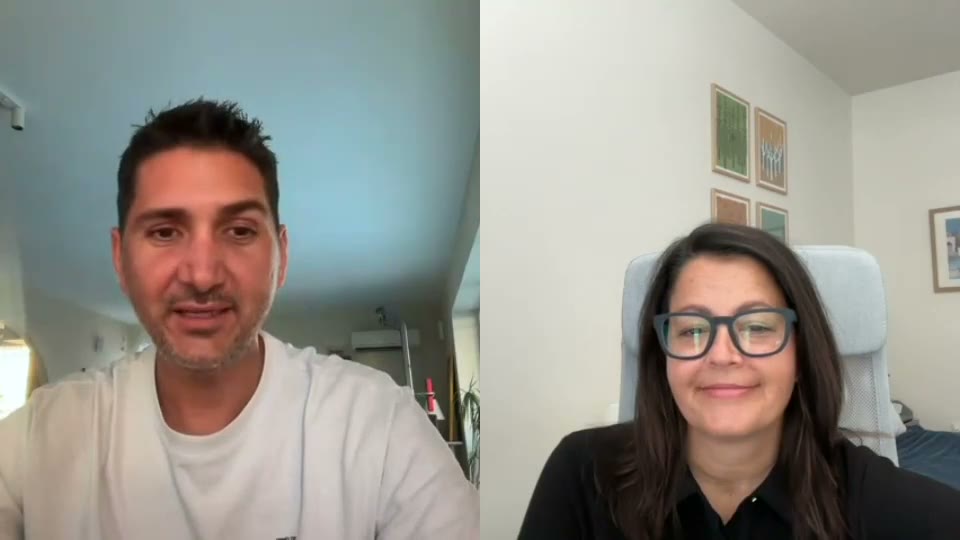
Live, one on one
30 min
Get the tactics from someone who's done it. Live, one on one.
After the call

Farzad Khosravi
Recording
You came in with
"50 yeses, zero payers."
You left with
"Ask if they'll pay today, not if they like it."
19:03 / 30:00
Jump to the moment
Keep the recording, summary, and takeaways. Yours to implement.
What a mentor does here
An idea validation mentor has been where you are: pre-revenue, no proof yet, trying to find out whether anyone wants the thing before betting more time and money on it. You get a 1:1 call with someone who has done this before and can tell you what to test next.
Most calls do some version of four things:
- Pressure-test the problem. Is there a pain worth solving here, or have you fallen for a problem only you have? A mentor helps you tell the difference before you build.
- Reorder the work. If you have been building in the dark, the highest-value move is usually to talk to customers first. A mentor sequences the next steps so validation comes before more code.
- Narrow who it is for. Most early ideas land on no one because they aim at everyone. A mentor helps you pick the one audience worth winning first.
- Plan the next test. You leave with two or three concrete things to try this week, not a vague sense that you should do more research.
You also leave with a record. After each call, the takeaways are written down for you, ready to keep or skip:
) Itay ForerIdea validation review
Itay ForerIdea validation reviewName the one assumption the whole idea rests on before you build another feature.
Book five interviews with people who have the problem this week, not five friends who will be kind.
KeepSkipAgree the kill line up front: two of ten pre-order, or you drop it.
KeepSkipCharge a small price early, someone reaching for a card is the truest demand signal you get.
KeepSkipValidate before you build
The most common reason people book this call is the fork in front of them: build more, or go talk to people first. If you are still at the idea stage, the answer is almost always to validate the problem before you commit to building the solution.
A mentor who has run discovery before helps you do it without wasting weeks:
- Write down the assumption. name the one belief your whole idea rests on, the thing that has to be true for any of this to work.
- Find the people to ask. decide who has this problem and how to reach a handful of them quickly, even before you have a product.
- Test demand, not opinion. look for signals people will pay or act, not polite encouragement from friends who will never buy.
- Decide the kill criteria. agree up front what would tell you to stop or pivot, so you are not just looking for reasons to keep going.
Built it, nobody is buying
A lot of people arrive here in the same spot: working MVP, launched a few weeks ago, near-zero traction, and no idea whether the problem is the product, the audience, or the message. You launched something nobody noticed, and now you are asking whether anyone wanted it.
A mentor helps you figure out which of these it is, because the fix is different for each:
- Wrong audience. the people you reached were never going to buy, so no amount of polish would have converted them.
- Weak problem. the thing you solve is real but minor, a vitamin not a painkiller, so nobody is motivated to switch.
- Unclear message. the product works, but you cannot say who it is for or why it matters, so it lands on no one.
- Too soon to tell. you have not yet talked to enough of the right people to know, and the answer is more conversations, not more features.
The point is to find the one reason it stalled, not to rebuild everything at once.
Mentors start diagnosing before the call. A typical first exchange after you book:
 Vas Daskalakis
Who it is for
The hardest early skill is narrowing. The instinct, when nobody is biting, is to widen: add a feature, chase another segment, say yes to everyone. The fix is usually the opposite. The most common breakthrough on these calls is a founder clarifying their ICP and stopping the habit of marketing to everyone.
A mentor helps you make the calls you have been avoiding:
- Niche down or stay broad. Going narrow first is almost always faster to validate, even when it feels like leaving money on the table.
- B2B or B2C first. Pick the side where you can reach people, close faster, and learn quickest, not the bigger fantasy market.
- SMB or enterprise. Smaller customers buy faster and teach you more early; enterprise comes after you have proof.
- One audience, not two. Serving two audiences at once usually means serving neither well. Commit to one until it works.
When the product is technically fine but nothing converts, the gap is usually messaging and positioning rather than the build itself. Naming the one audience tends to fix the message on its own.
Talking to users
Most founders know they should talk to users and still avoid it, or do it badly and hear only what they want to hear. The interviews that change your direction look different from a friendly chat about your idea.
A mentor who has run discovery helps you get straight answers:
- Ask about their past, not your future. what they did the last time they hit this problem tells you more than whether they like your idea.
- Avoid leading questions. the way you ask decides the answer. A mentor helps you ask in a way that does not coach people into agreeing.
- Talk to the right people. five interviews with people who have the problem beat fifty with anyone who will talk to you.
- Listen for pain, not praise. compliments feel good and mean little; a frustrated story about a real workaround is the signal you want.
Done right, a handful of interviews can save you from building the wrong thing for a year.
one good interview, x-rayed
Open by asking how they handle this today, with no pitch1. Follow every answer with what happened the last time it broke2. Say nothing while they walk through the workaround they built3. Close without ever asking whether they would buy4.
No pitch first
The moment you describe the idea, they start reacting to you instead of telling you their world.
Past, not future
What they actually did last time beats anything they predict they would do.
Let the silence work
The workaround they already built is the signal, and you only hear it if you stop talking.
No 'would you buy'
That question fishes for a yes. Watch for a real payment later instead.
Every part is built to hear what people already did, and a mentor helps you read the pattern in it.
Getting your first users
How do I launch and get my first users is the single most common question this cohort asks. Once the idea holds up, the next wall is getting any real people to show up and try it.
A mentor helps you find a first foothold instead of waiting for a launch that lands flat:
- Early adopters and pilots. Find the small group who feels the problem most and will tolerate a rough product to get it solved.
- Your existing network. The fastest first users are usually one or two introductions away, not a cold audience you have to earn.
- One channel, done well. Pick a single way to reach people and go deep, instead of a launch announcement that scatters everywhere and converts no one.
- A reason to come back. Getting the first users matters less than learning whether they return. A mentor helps you watch the right signal.
The goal at this stage is learning, not volume. A handful of engaged users tells you more than a spike that never repeats.
two moves, in order
Start with who you can reach
hoping a launch brings strangers
the first ten who already feel the pain
Watch who comes back
counting signups on launch day
tracking who returns the second week
What a first cohort teaches you
A handful of users who return tells you what to build next. A crowd that shows up once and leaves tells you nothing.
The order matters: earn ten who come back before you chase a hundred who do not.
Metrics at the idea stage
One of the loudest fears people bring is not knowing what to measure or whether anything they are doing is working. Before you have product-market fit, most dashboards are noise, and chasing them is a way to feel busy while learning nothing.
A mentor helps you watch the few signals that mean something this early:
- Retention over signups. whether the people who try it come back matters far more than how many showed up once.
- Conversations over impressions. what you learn from talking to ten users beats any traffic number on a chart nobody acts on.
- Willingness to pay. someone reaching for a card, or committing to a pilot, is the truest demand signal you can get pre-revenue.
- One question per test. decide what each experiment is meant to prove before you run it, so the result changes a decision.
Vanity numbers feel reassuring and tell you nothing. A mentor helps you trade them for the two or three signals that decide whether to keep going.
Before fit, most numbers are noise. The two that matter are whether people come back and whether they pay.
Pricing before you have proof
Pricing is one of the heaviest question loads for this stage, because it feels impossible to set a number with no track record. The good news is you are not pricing for scale yet. You are using price to learn whether the value is real.
A mentor who has launched before helps you decide the early calls:
- Charge early or stay free. free can speed up adoption and hide whether anyone values it; a price, even a small one, is the cleanest demand test.
- Freemium versus paid from day one. freemium buys reach at the cost of clarity. A mentor helps you decide whether you can afford that trade this early.
- Subscription versus usage. the right model depends on how customers get value, not on what your competitors happen to do.
- Pricing pilots and early deals. what you charge the first few customers is as much about learning and commitment as revenue.
Founders often sell features when what moves a buyer is the outcome they care about. Getting the price conversation right usually starts with fixing what you are selling, before you touch the number.
When to book a call
You do not need a polished pitch or a finished product. Bring the one decision you are stuck on, the call you would put off making alone. The most useful moments to book:
- Before you build more. you have an idea and you are about to commit months of work, and you want to validate the problem first.
- After a launch with no traction. you shipped something and almost nobody is biting, and you cannot tell whether it is the product, the audience, or the message.
- When you cannot say who it is for. the build works but the target is a guess, and everything you write lands on no one.
- When you are weighing a pivot. the first direction stalled and you want someone to pressure-test the next one before you commit.
- When the money clock is running. you have runway on the line and need to know fast whether this is worth continuing.
A focused 30 minutes with the right mentor can settle a question you have been circling for weeks.
What a mentor helps with
Idea validation touches a lot of the early-stage playbook, and the network is broad enough to match the specific thing you are stuck on. You can find someone who has done it before across each of these:
- Problem and demand validation. Whether the pain is real, worth solving, and worth paying for.
- Product-market fit. Reading early signals and knowing what fit looks like at your stage.
- ICP and targeting. Who it is for, how narrow to go, and which audience to win first.
- Customer discovery. Running interviews and getting straight feedback that changes your direction.
- Go-to-market. Sequencing the first moves, channels, and launch so you learn fast.
- First users and early traction. Finding early adopters, running pilots, and reading whether they stick.
- Pricing and business model. Free versus paid, subscription versus usage, and what to charge early.
- Pitch and funding. Tightening the pitch and deciding whether to bootstrap or raise.
Book the mentor who has shipped the kind of thing you are validating, then a different one when the next question comes up.
You can also run it in reverse: post what you are stuck on as a help request, and mentors raise their hands to take it.



What people book idea validation calls about
Rarely what they end up solving. The ask on the booking form is usually a symptom, and a mentor who has done this work recognizes the pattern underneath it. Three that come up again and again:
walked in as, walked out as
Walked in as
A product problem
The MVP still is not right.
Walked out as
A validation problem
You built before asking anyone.
Walked in as
A traction problem
Everyone I show it loves it.
Walked out as
A politeness problem
Kind friends are not real demand.
Walked in as
A sales problem
We launched and nobody bought.
Walked out as
A demand problem
Nobody wanted it enough to pay.
Three calls, one mechanic. The problem that leaves the room is never the one that walked in.
Why GrowthMentor
Every mentor on GrowthMentor is vetted before they are accepted. Fewer than 5% of applicants get in. They are founders, operators, and advisors who have validated ideas and launched products, not influencers selling a course.
Because the network is broad, you are not stuck with one specialist when your question spans the whole early-stage journey. The people who take these calls do the steadying as much as the strategy, which matters when you are pre-revenue and carrying real fear.
Calls this month
Book the fourth call, or the fortieth. Nothing on this receipt changes.
People who were exactly where you are.
GrowthMentor enables us to swiftly get a world-class expert to give us guidance on any marketing issue or question in a matter of days.

Hamel Shah · Co-Founder
Read Hamel's storyKnowing I can always book a call to help me clarify what I'm doing is the best feeling in the world.

Lena Sesardic · Product Manager
Read Lena's storyI like to set my own strategies and then get help from experts to improve on them and check if I'm on the right track.

Minh · Solo Founder
Read Minh's storyIt gave me fast access to expert-level insights that I couldn't get from academic research or user surveys alone.
Nicola Rubino · Growth Marketing Consultant
Read Nicola's storySometimes I'm stuck at one step and all I need is someone who can share experiences of what they did when they were in my situation.

Annie Chen · Head of Marketing
Read Annie's storyI enjoy having pretty much instant access to a pool of worldwide, expert mentors who are keen to share their expertise and help others.

Carlos Terol · Co-Founder
Read Carlos's storyAsk ChatGPT
Don’t take our word for it.
Ask ChatGPT what it really knows about idea validation mentors and GrowthMentor, then decide for yourself.
Before you join
What people ask before their first call.
Start by naming the one assumption your whole idea rests on, then go talk to people who have the problem before you write more code. Look for signals that they will pay or act, not polite encouragement. A mentor who has run discovery can help you do this in days instead of weeks and tell you what would count as a real yes.
The cause is usually one of four things: the wrong audience, a problem that is real but minor, a message that does not land, or simply too few of the right conversations to know yet. A mentor can help you find the one reason instead of rebuilding everything, so you fix the thing that is broken.
A real problem shows up as something people already work around, complain about, or spend money on. If you only hear that your idea sounds nice, that is a warning sign. A mentor can help you tell a painkiller from a vitamin before you commit a year to it.
The fastest first users are usually one or two introductions away in your existing network, plus the small group who feels the problem most and will tolerate a rough product. A mentor helps you pick one channel to go deep on and find early adopters, instead of waiting for a launch that lands flat.
Ask about what people did the last time they hit the problem, not whether they like your idea, and avoid leading questions that coach them into agreeing. Five interviews with people who have the problem beat fifty with anyone who will talk. A mentor can help you ask in a way that surfaces pain rather than praise.
Almost everyone aims too wide early, and the build ends up landing on no one. Narrowing to one audience first is faster to validate, even when it feels like leaving money on the table. A mentor helps you make the calls you have been avoiding, like niche versus broad and B2B versus B2C.
A price, even a small one, is the cleanest test of whether anyone values what you built, while free can speed adoption and hide that signal. Which trade is right depends on your stage and reach. A mentor who has launched before can give you a straight read on whether to charge now and what to charge early customers.
Before fit, most dashboards are noise. Watch whether the people who try it come back, what you learn from talking to users, and whether anyone will pay. Pick one question per experiment so each test changes a decision. A mentor can help you trade vanity numbers for the few signals that matter.
Decide it on evidence, not mood. If the people you talk to keep telling you the problem is minor or that they would not switch, more features will not fix it. A mentor can pressure-test your current direction and the pivot you are weighing, so you commit to one instead of second-guessing both.
Yes. Almost everyone who books this call is an early founder doing it themselves, pre-revenue and figuring it out as they go. You do not need a marketing background. Bring the specific thing you are trying to validate and you will leave with a plan for what to test next.
An accelerator runs a program, a course teaches the theory, and an agency does the work for you. A mentor gives you a practitioner's straight opinion on your exact situation, in real time, with no upsell. It is the fastest way to get unstuck on one early-stage decision.
One specific decision and any context that helps: what you are trying to validate, what you have heard from users so far, and the fork you are stuck on. The more concrete the question, the more useful the 30 minutes. You do not need a finished product or a polished pitch.
Still have questions? See all FAQs →
Related blog posts
Idea Validation
Most founders don't validate. They fish for a yes.
Market validation, customer discovery, market mapping, serviceable addressable market: the terms sound rigorous, but most of the time they're a search for permission. How to look for the truth.
Read the postStartups
How to validate a startup idea using a pre-launch landing page and less than $500 in PPC spend
A real-life case study showing exactly what Foti did to validate his idea for GrowthMentor before launching it — with a pre-launch landing page and under $500 in PPC.
Read the postStartups
You have an idea and nothing else. Here's what to do first.
At the idea stage the real first job comes before any code: pick something worth years of your life, get to one clear problem and one cheap test, and find the nerve to start, without doing it alone.
Read the postYou could keep guessing. Or ask someone who's done it.
Every face here has already solved what you're working on in idea validation. You're one call away.