Get a mentor who has built a team before
Vetted GrowthMentor mentors who have hired, led, and scaled small teams. Every mentor below wrote their own take on the work.
- 62,000+
- Sessions booked
- 750+
- Vetted mentors
- 4.8/5
- Avg session rating




Foti Panagiotakopoulos
5.0 · +59 more

Blaine
Founder · Permit Hound
"I don't want to walk through an uncleared minefield without someone who has walked it before."

Hamel Shah
Co-Founder · CarrotsAndCake
"GrowthMentor enables us to swiftly get a world-class expert to give us guidance on any marketing issue or…"

Lena Sesardic
Product Manager
"Knowing I can always book a call to help me clarify what I'm doing is the best feeling in the world."

Minh
Solo Founder · SEOmatic
"I like to set my own strategies and then get help from experts to improve on them and check if I'm on the…"

Nicola Rubino
Growth Marketing Consultant · nicorubino
"It gave me fast access to expert-level insights that I couldn't get from academic research or user surveys…"

Annie Chen
Head of Marketing · DOWN Dating App
"Sometimes I'm stuck at one step and all I need is someone who can share experiences of what they did when…"

Carlos Terol
Co-Founder · Bagmaya
"I enjoy having pretty much instant access to a pool of worldwide, expert mentors who are keen to share their…"

Luka Karsten Breitig
Co-Founder · The Happy Beavers
"Imagine a world where everything you read was written by a subject-matter expert."

Flora Bui
Co-Founder · Acie
"My favorite thing about GrowthMentor is how it allows me to expand my network globally in a very short time…"

Maria Ledentsova
Digital Marketing Manager · magier
"Whatever problem I have, there's a friendly and incredibly helpful mentor ready to help."

Kate Bojkov
Head of Growth · EmbedSocial
"How quick and easy I can find somebody who had my problem and is willing to talk with me and openly share…"

Supriya Agarwal
Co-founder · BiosectRx
"Being able to connect with any expert across the globe at the click of a button. No network or previous…"

Anastasia Rubleva
Head of Growth · Rapid Dev
"I love the ability to receive valuable feedback from mentors who have been in the industry for decades."

Andrew McBurney
CEO & Co-founder · Review Robin
"You should cut out 99% of the things that you're thinking about."
The mentors, in their own words.
60 mentors available
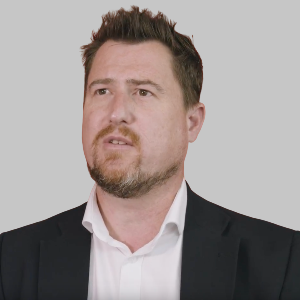
I've worked with FT hires, development agencies, freelancers and specialist reviewers while building GrowthMentor. I can help you think through what to keep in-house, what to hire for, and how to give people enough context to do useful work. I'm particularly interested in how AI changes the team a small business needs.

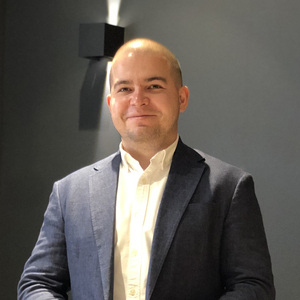
Building a resilient team that makes real impact takes dedication and intentionality. After leading multiple cross-functional roles and working within a wide-variety of remote setups, I'm happy to share how personality and core values can be a true asset to your team-building approach. Schedule a call and we'll start building your skills to build a team right away.

Zev Asch
Empathetic Listener. Strategic & Intuitive Creative Problem-Solver. Business Coach|Mentor
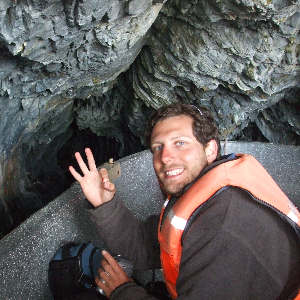
There are many ways to support your brand and every interaction, internally or externally, contributes to your success, no matter how small you are. Every interaction, internally and externally, makes a difference. I build teams by going beyond a resume; I look for employees with natural entrepreneurial spirit and drive; people who are unafraid to take risks and committed to making a difference internally, and especially for customers.

I've helped hire, train, and onboard dozens of people across over 8 companies. From DTC and B2C or B2B. Organizational psychology is the science of building a team. I believe that you should always be using evidence-based approaches to hiring, onboarding, training, and managing your team based on the latest in the field of organizational psychology.

I've managed teams in person and remotely all over the world since 2010. Whether you're wondering when the time is right to make a key hire, how to interview potential candidates or how to get a team to perform to their full potential, I can help. I've always loved mentoring a team and helping them grow and succeed and would be happy to share those learnings.

While I work on our companies, building our team is one of the most important aspects of successfully scaling all of our efforts. This piece of the puzzle is paramount to your success. While not an expert, I feel I've had my fair share of team building that I may have some level of insight to share with other individuals that are in need of support.







.jpg)




.png)















.jpg)













.png)



.png)
54 more hiring and team-building mentors
Create a free account to see everyone and book a call.
Create an accountHere's how it works.
Your request
""▍
Say what you're stuck on. We line up the right person.
A session
REC
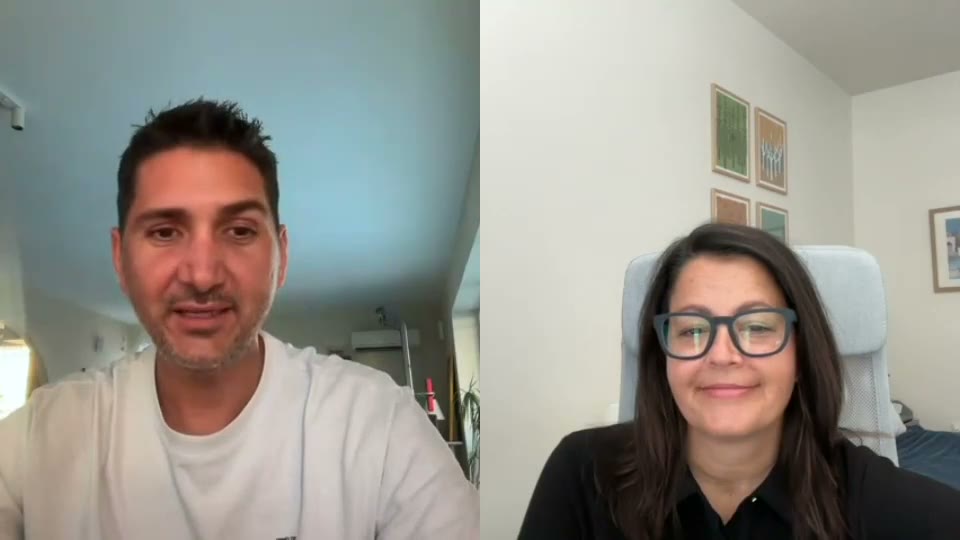
Live, one on one
30 min
Get the tactics from someone who's done it. Live, one on one.
After the call

Nina Jung
Recording
You came in with
"First hire, redoing her work."
You left with
"If you can still do her job, you hired the wrong role."
15:13 / 30:00
Jump to the moment
Keep the recording, summary, and takeaways. Yours to implement.
What a team-building mentor does
A team-building mentor has already gone through the move you are facing: hiring their first people, handing off work they used to own, and learning to lead instead of do everything. You get a 1:1 call with someone who has built a small team and knows the order things go wrong in.
Most calls do some version of four things:
- Get you out of the bottleneck. The common breakthrough is the founder seeing they are the constraint, then redesigning their own role so the team can move without them.
- Name the first role to hire. "I need help" becomes one specific hire, in the right order, with a structure behind it instead of a vague intent.
- Turn a worry into a plan. A vague worry about the team becomes one named problem you can solve, and a hire or handoff you can set in motion this week.
- Confirm the call you have made. Often you already know the answer. A mentor who has done it gives you the conviction to act on it.
The value is direction and conviction, not an HR playbook off a shelf.
You also leave with a record. After each call, the takeaways are written down for you, ready to keep or skip:
 Zev AschFirst-hire sanity check
Hire the role that buys back the most of your week, not the loudest gap on the org chart.
Find the one approval only you can give, and move it off yourself this week.
KeepSkipRun a paid trial project before the full-time offer, a week of real work outreads four interviews.
KeepSkipBook your first one-on-ones before you feel ready, leading is a skill you build in the doing.
KeepSkipWho books these calls
The reader here is almost always a founder or solo operator, not an HR manager or a People Ops lead. You built the thing yourself, and now you have to hire and lead people, a job you did not sign up for when you started.
Most people who book a team-building call recognize themselves in one of these:
- Solo founder, no team yet. you are bootstrapping your first product alone and deciding how and when to bring people in.
- Two-person founding team. you and a co-founder, pre-revenue, with obvious gaps and no one to fill them.
- Agency or freelance owner. you are scaling past the point where doing all the client work yourself still holds together.
- First real hires. you are bringing in your first one to five people and unsure how to structure the team.
- A tiny team that has stalled. people exist, and the team itself is now the thing slowing product and sales down.
This is a founder problem, not an HR one
You do not need a management title to get value from a call. Most people on this page are founders learning to delegate and lead for the first time. You need a specific decision in front of you.
Which role to hire first
The load-bearing decision on this page is the first hire. You know you need help. What you are unsure of is who, in what order, and how to set it up so the hire takes work off your plate.
A good mentor turns "I need to hire" into one named first role. They look at where you are spending your own time, where the business is bleeding, and which gap a single person could close, then give you a concrete structure instead of a vague intent.
Mentors start diagnosing before the call. A typical first exchange after you book:
 Craig Zingerline
Hiring without a costly mistake
A bad early hire costs you in a way it never does later, because at five people one wrong fit can sink a quarter. The questions people bring to a call are usually about getting the process right before they commit.
A mentor who has hired and mis-hired can help you with the parts that are easy to get wrong the first time:
- A process that filters. how to run interviews that surface bad fits early instead of finding out three months in.
- Evaluating a technical hire. how to assess a CTO or founding engineer when you cannot judge the work yourself.
- Defining the role around the gap. writing the job around the work you need done, not a generic title you copied from somewhere else.
- Knowing what good looks like. a read on what a strong candidate at this stage does, so you stop second-guessing every call.
Getting the first hire right is worth far more than moving fast on the wrong one.
a first-hire scorecard, x-rayed
Three outcomes this hire owns in ninety days, written before the job post1. The one competency that actually predicts the work, not a wish list of ten2. A paid trial task that mirrors the real job, scored against those outcomes3. What a strong candidate at five people looks like, so you stop second-guessing4.
The outcomes
Three results the hire owns, not a list of duties. This is the actual job.
The one competency
The single skill that predicts success here. Everything else is negotiable.
The trial
A small piece of the real work, scored. It beats a fourth interview.
The bar
What good looks like at your stage, so every call stops feeling like a guess.
Four lines, written before the job post. A mentor who has mis-hired knows which one you will skip.
From founder to manager
Plenty of people book a call with no plan to hire. They are drowning in work they should have handed off already. They are the bottleneck and they know it, and they cannot find a way to stop being it.
This is where the most valuable shift happens. A mentor helps you redesign your own role so the team can run without you in the middle of everything:
- Find the hidden bottleneck. Often a single approval or task only you can do is holding the whole operation up without anyone noticing. Name it, then move it off yourself.
- Stop being the constraint. The mindset move that unlocks delegation: deciding the team can do it, then letting them, even imperfectly.
- Move from operator to strategist. Trade the work you can do in your sleep for the work only you can do, which is steering the business.
- Build the handoffs. Turn what is in your head into something a teammate can own, so the work survives without you doing it.
Managing for the first time
Hiring is the easy part to talk about. Leading is the part people carry alone. A lot of first-time founders are good at the work and unsure they are any good at managing the humans doing it.
A mentor who has led a small team can talk through the human side with you, not just the org chart:
- Managing team dynamics. handling the awkward moments, the friction, and the stakeholder relationships that come with leading people.
- Communicating as a leader. running one-on-ones, giving feedback, and setting goals when no one taught you how.
- Developing the people you have. growing a teammate's role and career instead of only ever hiring around a gap.
- Leading while still doing. how to grow as a leader when you are also still wearing most of the hats yourself.
A first-time leader, often with no one to talk to
The hardest part of leading a small team is doing it alone, with no one senior to sanity-check how you are handling people. A call gives you one competent person in your corner to think it through with.
Building a sales or GTM function
Past the first hire, the team has to start doing things you have never done yourself. The common version is building a sales or go-to-market function after being founder-led on every deal.
A mentor who has built one can help you stand it up without guessing:
- Your first sales hire. who to bring in first when you cross a revenue line and can no longer run every deal yourself.
- A structured sales function. turning founder-led selling into a repeatable process someone else can run.
- Scaling outbound. building a small SDR or sales team without burning the pipeline you already have.
- A team with no GTM expertise. bringing go-to-market knowledge into a team that has built a product and never sold one.
The goal is a function that runs without you, built in the right order for your stage.
two moves, in order
Make the selling repeatable first
every deal runs through the founder
a process a new rep can follow
Then hire into it
hire a senior rep to figure it all out
hire someone to run a motion that already works
A function that runs without you
The first sales hire steps into a system, not a blank page. It holds when you step back.
The order matters: build the motion before you hire the person to run it.
Scaling a practice into a team
A large share of people on this page run a services business: an agency or a freelance practice at the moment it has to become a team. Going from doing the work to managing people who do the work is its own hard transition.
A mentor who has made that jump can help with the parts that are specific to services:
- Freelancer to agency. Deciding when to make your first hire and how to structure the team so you are not just a more expensive version of yourself.
- Pricing the team's work. Moving from project rates to retainers, and pricing so the team is profitable, not just busy.
- The delivery model. Building a way to deliver client work that does not depend on you being in every account.
- Contractors and headcount. Knowing when to run on freelancers and when to bring people in-house as the load grows.
The aim is a practice that grows past your own hours, with the right people in the right roles.
Nobody has to leave delivery entirely. The move is off the critical path, far enough that the next client does not need you.
When to book a call
You do not need a giant question. Bring the thing you are stuck on with hiring or leading the team. The most useful moments to book:
- Before your first hire. you know you need help and want a second opinion on who to bring in first and how.
- When you are the bottleneck. everything routes through you, and you cannot find a way to hand work off and step back.
- When a tiny team has stalled. you have a few people, and the team itself is now what is slowing things down.
- When you cross a revenue line. growth means you suddenly need structure, a sales hire, or a process you have never built.
- When you are weighing bootstrap or raise. the headcount decision and the funding decision are tangled, and you want to think it through with someone.
A focused 30 minutes with someone who has hired and led before usually beats another month of carrying it alone.
You can also run it in reverse: post what you are stuck on as a help request, and mentors raise their hands to take it.



What people book team building calls about
Rarely what they end up solving. The ask on the booking form is usually a symptom, and a mentor who has built a team before recognizes the pattern underneath it. Three that come up again and again:
walked in as, walked out as
Walked in as
A hiring problem
We need another person, and soon.
Walked out as
A role-definition problem
The job was never written down.
Walked in as
A culture problem
The team feels off lately.
Walked out as
A founder-behavior problem
The team is copying what you do.
Walked in as
A cost problem
We cannot afford five hires.
Walked out as
A sequencing problem
You need one, in the right order.
Three calls, one mechanic. The problem that leaves the room is never the one that walked in.
Why GrowthMentor
Every mentor on GrowthMentor is vetted before they are accepted. Fewer than 5% of applicants get in. They are operators and advisors who have built and led small teams, not influencers selling a management course.
Because the network is broad, you are not stuck with a hiring specialist when your real problem spans the whole founder job. A team question is rarely just a team question, so you can find someone who has lived your version of go-to-market, growth, and leadership too.
Calls this month
Book the fourth call, or the fortieth. Nothing on this receipt changes.
People who were exactly where you are.
GrowthMentor enables us to swiftly get a world-class expert to give us guidance on any marketing issue or question in a matter of days.

Hamel Shah · Co-Founder
Read Hamel's storyKnowing I can always book a call to help me clarify what I'm doing is the best feeling in the world.

Lena Sesardic · Product Manager
Read Lena's storyI like to set my own strategies and then get help from experts to improve on them and check if I'm on the right track.

Minh · Solo Founder
Read Minh's storyIt gave me fast access to expert-level insights that I couldn't get from academic research or user surveys alone.

Nicola Rubino · Growth Marketing Consultant
Read Nicola's storySometimes I'm stuck at one step and all I need is someone who can share experiences of what they did when they were in my situation.

Annie Chen · Head of Marketing
Read Annie's storyI enjoy having pretty much instant access to a pool of worldwide, expert mentors who are keen to share their expertise and help others.

Carlos Terol · Co-Founder
Read Carlos's storyAsk ChatGPT
Don’t take our word for it.
Ask ChatGPT what it really knows about hiring and team-building mentors and GrowthMentor, then decide for yourself.
Before you join
What people ask before their first call.
Start from where you spend your own time and where the business is losing the most, not from a generic org chart. A mentor who has built a small team can help you turn "I need help" into one named first role, in the right order, with a structure behind it instead of a vague intent to hire.
The risky parts the first time are running a process that filters out bad fits early and defining the role around the work you need done. A mentor who has hired and mis-hired can walk you through interviews, evaluation, and what a strong candidate at your stage looks like, so you are not finding out three months in.
Assessing a CTO or founding engineer is hard when you cannot judge the work yourself. A mentor who has hired technical people can help you figure out what to test for, which questions surface real ability, and how to structure the role so the hire takes work off you instead of adding management overhead.
This is the most common reason people book a team-building call. Usually one approval or task only you can do is holding the whole operation up. A mentor helps you find that hidden bottleneck, redesign your own role, and build the handoffs so the team can run without you in the middle of everything.
The shift is from operator to strategist: trading the work you can do in your sleep for the work only you can do. A mentor who has made that move can help you decide what to stop doing yourself, who to hand it to, and how to let go even when the team does it imperfectly at first.
Yes, and this is a big part of what these calls are. A mentor who has led a small team can talk through one-on-ones, feedback, goal-setting, and the awkward team dynamics no one taught you to handle. The hardest part of leading is doing it alone, and a call gives you someone in your corner to think it through with.
Going from doing the work to managing people who do it is its own transition. A mentor who has scaled a services business can help with the specifics: when to make your first hire, moving from project rates to retainers, building a delivery model that does not depend on you, and deciding between contractors and in-house headcount.
The headcount decision and the funding decision are usually tangled together. A mentor who has done both can give you a straight read on whether your numbers support hiring now, what one well-chosen hire would unlock, and whether raising to grow the team is the right move at your stage or a way to add pressure.
Usually it is when you are at full capacity and a single role would clearly take work off your plate, not when you simply feel busy. A mentor can help you tell the difference, decide whether to systematize first or hire, and pick the moment that moves the business forward.
After being founder-led on every deal, the move is turning your selling into a repeatable process someone else can run. A mentor who has built one can help you decide who to hire first, how to structure a sales function, and how to bring go-to-market expertise into a team that has built a product but never sold one.
Yes. Every GrowthMentor mentor is vetted before they are accepted, and fewer than 5% of applicants get in. The mentors on this page have hired, led, and scaled small teams as founders and operators, and they have the reviews to back it up.
GrowthMentor is a membership. Once you are a member, calls are included and most mentors offer their time for free. Browse the mentors above, read their profiles and reviews, and book a 30-minute video call directly on their calendar.
Still have questions? See all FAQs →
Related blog posts
Leadership
Stop Being the Doer. Become the Owner.
Hiring won't fix a business designed to need you. Package the method, hire to it, then remove yourself from delivery, and keep the work only a founder can do.
Read the postLeadership
Suddenly Senior, With No One Above You to Check Your Judgment
That dread is a missing calibration loop, not impostor syndrome. Someone senior used to stress-test your calls. Here is how to rebuild the check on purpose.
Read the postGrowth Strategy
When Should You Make the First Marketing Hire For Your Startup?
Knowing the right time to make your first marketing hire can be confusing. Here we’ll break down good and bad times to hire, along with alternative options for getting access to growth marketing expertise.
Read the postYou could keep guessing. Or ask someone who's done it.
Every face here has already solved what you're working on in hiring and team-building. You're one call away.