Get a product mentor who has shipped a real product before
Vetted GrowthMentor mentors who help founders and builders decide what to build and who it is for. Every mentor below wrote their own take on the work.
- 62,000+
- Sessions booked
- 750+
- Vetted mentors
- 4.8/5
- Avg session rating




Nick Schwinghamer
5.0 · +59 more

Blaine
Founder · Permit Hound
"I don't want to walk through an uncleared minefield without someone who has walked it before."

Hamel Shah
Co-Founder · CarrotsAndCake
"GrowthMentor enables us to swiftly get a world-class expert to give us guidance on any marketing issue or…"

Lena Sesardic
Product Manager
"Knowing I can always book a call to help me clarify what I'm doing is the best feeling in the world."

Minh
Solo Founder · SEOmatic
"I like to set my own strategies and then get help from experts to improve on them and check if I'm on the…"
Nicola Rubino
Growth Marketing Consultant · nicorubino
"It gave me fast access to expert-level insights that I couldn't get from academic research or user surveys…"

Annie Chen
Head of Marketing · DOWN Dating App
"Sometimes I'm stuck at one step and all I need is someone who can share experiences of what they did when…"

Carlos Terol
Co-Founder · Bagmaya
"I enjoy having pretty much instant access to a pool of worldwide, expert mentors who are keen to share their…"

Luka Karsten Breitig
Co-Founder · The Happy Beavers
"Imagine a world where everything you read was written by a subject-matter expert."

Flora Bui
Co-Founder · Acie
"My favorite thing about GrowthMentor is how it allows me to expand my network globally in a very short time…"

Maria Ledentsova
Digital Marketing Manager · magier
"Whatever problem I have, there's a friendly and incredibly helpful mentor ready to help."

Kate Bojkov
Head of Growth · EmbedSocial
"How quick and easy I can find somebody who had my problem and is willing to talk with me and openly share…"

Supriya Agarwal
Co-founder · BiosectRx
"Being able to connect with any expert across the globe at the click of a button. No network or previous…"

Anastasia Rubleva
Head of Growth · Rapid Dev
"I love the ability to receive valuable feedback from mentors who have been in the industry for decades."

Andrew McBurney
CEO & Co-founder · Review Robin
"You should cut out 99% of the things that you're thinking about."
The mentors, in their own words.
60 mentors available
Building products that solve problems is something I've always loved. I was trained as an engineer and have a builder mindset, but have spent a good chunk of my career as a product manager or working closely with the product teams around me. I love talking roadmaps, features, user journey's, how to pitch new ideas to get buy in, working cross functionally, how to measure success and more.

Craig Zingerline
Six-time founder helping companies grow with strategies that advance product adoption & revenue.
I've built over 100 sites and apps in my 20 year career, and am currently Chief Product Officer at Sandboxx. I'm a regular speaker at Product School events, and run a Product Bootcamp for entrepreneurs looking to get their product to market. I believe great products need great growth, and I tend to look at product development from a growth mindset from the start. I also generally advise on building market testable features, and launching early to get feedback from real users.

🚀 Richmond Wong, JD 💰📈
No bull$hit advice for new SaaS founders perfect your 1st profitable Go-to-Market📈 Ex-Reuters: Launched in 10+ markets 🌏
Let's turn your nitty-gritty product management and product development processes into a lean, optimized system so that you can regain the focus and energy to focus on growing and innovating your business.

Narayanamurthy Raghupathy (Raghu)
Co-Founder of Reflexis Systems, now part of Zebra Technologies
Product Management is a function that grows in size, complexity and importance as your organization grows. While serving your first customer, product management usually consists of fanatically saying 'yes' to everything the customer wants. Making the transition to building and servicing hundreds, even thousands, of customers with a single version of your product, while retaining the same fanatical customer service is a huge challenge that is capable of making or breaking your company.

David Kelly
I built a multi-million dollar SaaS business. Now I help founders and execs do the same.
Product Management is the BIGGEST decision for new businesses. If you don't have PMF (product market fit) with a new business, you don't have anything. I have 11 years of experience as a Product Manager — including in the past for the 40th most website in the world with billions of pageviews per month — and I can help you understand how to figure out your product strategy.

On early stages, Product Management is typically in charge of both building and positioning the product. If you need advice on how to effectively understand your buyer, your client, and your user, and how to craft a compelling value proposition that can be taken to market, let’s talk!








.png)



.jpeg)











%20-%20Aug2024.jpeg)





















54 more product management mentors
Create a free account to see everyone and book a call.
Create an accountHere's how it works.
Your request
""▍
Say what you're stuck on. We line up the right person.
A session
REC
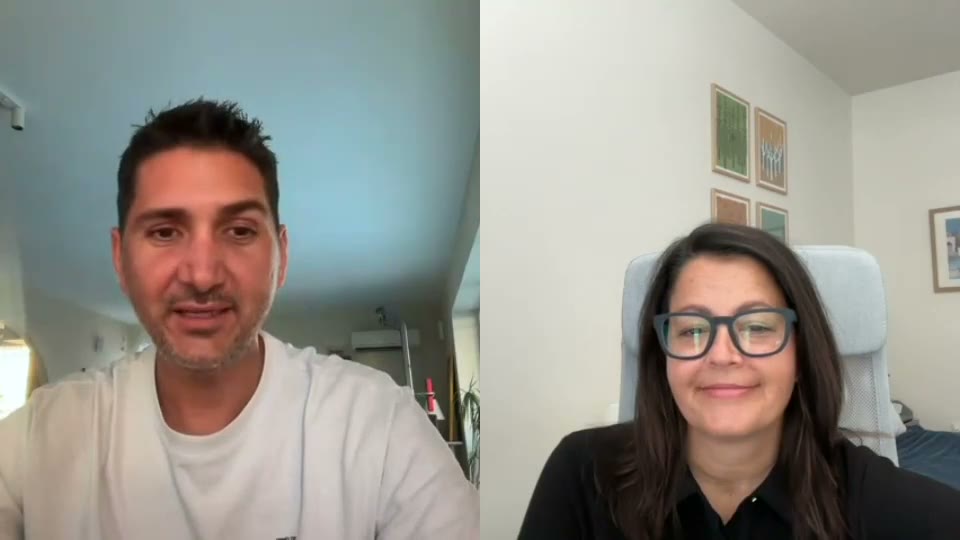
Live, one on one
30 min
Get the tactics from someone who's done it. Live, one on one.
After the call

Divya Chaturvedi
Recording
You came in with
"40 features, no ranking."
You left with
"Cut the backlog to three bets, not forty."
24:18 / 30:00
Jump to the moment
Keep the recording, summary, and takeaways. Yours to implement.
What a product mentor does
A product management mentor is a practitioner who has already built and launched the kind of product you are building right now. You get a 1:1 call with someone who knows what to build first, who it is for, and when it is ready to put in front of real people.
Most calls do some version of five things:
- Reframe the problem. You arrive with "I don't know if I'm building the right thing." You leave knowing the next move is one customer interview, one feature to cut, or one segment to commit to.
- Pick one segment. The most common fix is naming who this product is for, instead of defaulting back to everyone.
- Validate before building. A mentor often slows the next sprint and puts customer interviews first, so you build what people will pay for.
- Cut scope. Ship one thing well. A mentor helps you decide what goes in the first version and what waits.
- Sequence the launch. Instead of a vague go-to-market plan, you leave with an order: what to do first, and what to ignore for now.
The value is direction: what to build next, who it is for, and what to leave out.
You also leave with a record. After each call, the takeaways are written down for you, ready to keep or skip:
 Nick SchwinghamerProduct direction review
Cut version one to the single feature a user cannot do the job without, ship that in weeks, not months.
Run five customer interviews before the next sprint, build only what two of them already tried to rig up themselves.
KeepSkipSay out loud who this is not for, the segment you drop is what makes the rest of the roadmap obvious.
KeepSkipPick one launch channel and one number for the first month, leave the rest alone until that number moves.
KeepSkipWhat builders get stuck on
Most people book a product call mid-build, with a launch in sight and no customers yet:
- Building before validating. you are deep in the build, moving fast, and privately worried you are constructing the wrong thing the wrong way.
- An undecided target. the product is coming together, but you still cannot say in one sentence who it is for, so you keep building for everyone.
- Unfocused MVP scope. the first version keeps growing into a multi-feature platform, and you are not sure what to cut to ship.
- No customers yet. you have a working MVP, or you are weeks from launch, and zero people have paid you anything.
- Pricing you are guessing at. subscription or usage, freemium or charge from day one, and no clear way to know what the market will bear.
- A crowded market. competitors already exist, and you cannot tell what makes yours different enough to choose.
Most people here are first-time founders, not titled PMs
The reader on this page is usually a founder building their first product, often technical, sometimes a product manager crossing into founding. You do not need a product title to get value from a call. You need a specific decision you are stuck on.
Who your product is for
Naming who the product is for is the single biggest reason people book a product call. The instinct is to keep the door open: serve SMBs and enterprise, go B2B and B2C, stay broad across industries so you do not miss anyone. The fix is almost always the opposite.
A good mentor helps you pick one beachhead: a specific first customer you can win, before you try to win everyone. They will pressure-test the audience you keep defaulting to and help you commit.
- "Everyone" and "SMBs" are not a target. an audience that broad gives you nothing to design, message, or price against.
- Pick a beachhead first. one specific use case and one specific buyer you can reach, then expand from a position of strength.
- B2B or B2C, not both. the motion, the pricing, and the product look different. Choosing one early makes every later decision easier.
- Niche down to stand out. in a crowded market, a narrow audience is usually how you get chosen at all.
Validating before you build
This reader tends to move first and check later. You are biased toward building, which is a strength, but it means you can sink weeks into features nobody asked for. The mentor's recurring job is inserting validation before the next sprint.
A mentor who has run this playbook helps you turn talking to users into a step, not an afterthought:
- Interviews come before the build. a handful of customer conversations is faster and cheaper than building the wrong thing and finding out later.
- Ask the right questions. how to get product feedback that surfaces the real problem instead of polite encouragement that tells you nothing.
- Test willingness to pay. interest is easy, money is the signal. A mentor helps you validate demand, not just curiosity.
- Study competitors first. knowing what already exists tells you what to build, what to skip, and where the gap is.
The point is not to stop building. It is to build the thing the evidence points to.
two moves, in order
Put the interview before the sprint
build the feature, then hope someone wants it
ten customer conversations before you write more code
Check willingness to pay
they said they loved the idea
three of them pre-paid or signed a pilot
You build what the evidence points to
Every sprint after this one starts from something a real buyer already asked for. Less rework.
The order matters: get the signal before you spend the sprint.
Cutting MVP scope
"I'm a few months from launch and the scope keeps growing" is one of the most common things people bring to a call. The MVP turns into a platform, the launch date slips, and the build never feels ready.
A mentor helps you cut to the one thing worth shipping and put the rest in order:
- Ship one thing well. a single feature done well beats five done halfway, and it is far easier to launch.
- Decide what waits. naming what is not in version one is how the first version gets out the door.
- Rebuild the go-to-market order. a mentor helps you sequence the launch from scratch: who to tell first, in what order, and how.
- Launch before you feel ready. the product is rarely as unready as it feels. A mentor helps you tell risk from nerves.
Cutting the right scope is worth more than polishing every feature before anyone sees it.
Mentors start diagnosing before the call. A typical first exchange after you book:
 Konstantin Valiotti
Positioning to stand out
Many builders have a good product and still cannot say why someone should pick it. The market is crowded, competitors are named, and the differentiator is buried.
A mentor helps you lead with what sets you apart and say it in plain language:
- Find the buried angle. Founders often lead with the wrong thing and hide their differentiator. A mentor helps you surface it.
- Sell the outcome, not the feature. Buyers care about the result, not the feature list. A mentor helps you reframe the pitch around what changes for them.
- Position against named rivals. When prospects already use a competitor, a mentor helps you draw the line that makes switching make sense.
- From tool to outcome. Reframing your product from a tool into a business outcome is often what unlocks the higher-value sale.
Clear positioning is usually a sharper version of something you already know, not a new product.
a positioning line, x-rayed
The only scheduling app built for tattoo studios1, so you fill last-minute cancellations instead of eating them2. Not a general calendar with a booking add-on3. The sentence an owner repeats when a friend asks what they use4.
The buried angle
One sharp claim, surfaced from what you already do. Not the feature you happened to lead with.
The outcome
What changes for the buyer, in their words. The feature list is the proof, not the pitch.
The named rival
The tool they would otherwise pick, and the line that makes switching make sense.
The repeatable version
Short enough that a customer can say it back. That is how it travels.
Four parts, one sentence. A mentor helps you find the one that is already true and lead with it.
Pricing your product
Pricing is where a lot of builders freeze. Subscription or usage-based, freemium or charge from day one, what the number should be, whether to show it on the site at all. Guessing here costs revenue.
A mentor who has priced products like yours can give you a fast read:
- Usage-based or flat subscription. the right model depends on how customers get value and how that value grows over time.
- Freemium or charge from day one. a free tier can fuel growth or train people never to pay. A mentor helps you tell which.
- Set the actual number. whether your price is too high or too low for the market is hard to judge alone. An outside read helps.
- Price pilots and early deals. early customers and pilots need their own pricing logic, separate from your eventual list price.
How you present price matters as much as the number
A common win on these calls leaves the price untouched and rewrites how it lands on the page, so the value is obvious before the buyer reaches the number.
Getting your first users
Once the product exists, the question changes: how do I get the first users, and why are the ones who show up not sticking? If you run a free trial, the hardest version is "people sign up and never pay."
Usually the price is not the blocker. People sign up, never reach the moment the product proves its worth, and drift off. A mentor helps you find the leak:
- Fix onboarding and activation. the first run is where most users decide to stay or leave. A mentor helps you get people to the value faster.
- Why trials don't convert. free-to-paid is usually an activation problem, not a pricing one. Fix the first-value moment and the paywall starts working.
- Traction with no audience. no list and no ad budget is workable. A mentor helps you land first users through outreach, partnerships, and word of mouth.
- Land your first pilots. for B2B, the first few customers come from deliberate outreach, not a launch. A mentor helps you build that motion.
Dropping the price rarely helps. The users who left never reached the moment the product proves its worth.
When to book a call
You do not need a giant question. Bring the thing you would ask a smart friend who has built and launched a product five times before. The most useful moments to book:
- You're mid-build before launch. you are constructing the product now and want a second opinion before you commit more time to it.
- Your target is undecided. you keep debating who this is for and defaulting back to everyone, and you need to commit to one.
- You're weighing stay, pivot, or push. you cannot tell whether to stick with the current direction or change it, and the clock is running.
- You're about to build something big. before you sink a sprint into the next feature, you want to pressure-test that it is the right one.
- You're making your first hire. first product or growth hire, and you want to get the role and the timing right.
A focused 30 minutes with the right mentor is usually faster than another month of building on a hunch.
What a mentor can help with
Taking an early product to market is broad work, and so is the network. You are not limited to a roadmap specialist. You can find someone who has done the specific thing you are stuck on:
- Idea validation. Customer interviews, demand testing, and willingness to pay before you build more.
- ICP and product-market fit. Naming who it is for, finding a beachhead, and reading early traction signal.
- MVP scope and roadmap. Deciding what to build first, what to cut, and how to sequence the rest.
- Go-to-market strategy. Taking the product to market: the launch order, the first channels, the first customers.
- Positioning and product marketing. Your differentiator, your message, and why a buyer picks you over the rest.
- Pricing strategy. Subscription, usage, freemium, pilots, and how to present the number.
- Onboarding and activation. First-run experience, free-trial conversion, and the path to first value.
- First traction and PLG. Landing first users with no audience, early experiments, and self-serve motions.
Pick the mentor who has shipped the product decision you are facing right now.
You can also run it in reverse: post what you are stuck on as a help request, and mentors raise their hands to take it.



What people book product management calls about
Rarely what they end up solving. The ask on the booking form is usually a symptom, and a mentor who has shipped one before recognizes the pattern underneath it. Three that come up again and again:
walked in as, walked out as
Walked in as
A speed problem
We just need to ship faster.
Walked out as
A validation problem
Faster at building the wrong thing.
Walked in as
A roadmap problem
Everything on the list feels urgent.
Walked out as
A prioritization problem
No single metric to rank against.
Walked in as
A scope problem
Which features make version one?
Walked out as
An audience problem
Decide who it is for first.
Three calls, one mechanic. The problem that leaves the room is never the one that walked in.
Why GrowthMentor
Every mentor on GrowthMentor is vetted before they are accepted. Fewer than 5% of applicants get in. They are founders, operators, and product leaders who have shipped real products, not influencers selling a course.
Because the network is broad, you are not stuck with a roadmap specialist when your real problem is validation, positioning, or first traction. You can find someone who sees from the build all the way through to the first customers.
Calls this month
Book the fourth call, or the fortieth. Nothing on this receipt changes.
People who were exactly where you are.
GrowthMentor enables us to swiftly get a world-class expert to give us guidance on any marketing issue or question in a matter of days.

Hamel Shah · Co-Founder
Read Hamel's storyKnowing I can always book a call to help me clarify what I'm doing is the best feeling in the world.

Lena Sesardic · Product Manager
Read Lena's storyI like to set my own strategies and then get help from experts to improve on them and check if I'm on the right track.

Minh · Solo Founder
Read Minh's storyIt gave me fast access to expert-level insights that I couldn't get from academic research or user surveys alone.
Nicola Rubino · Growth Marketing Consultant
Read Nicola's storySometimes I'm stuck at one step and all I need is someone who can share experiences of what they did when they were in my situation.

Annie Chen · Head of Marketing
Read Annie's storyI enjoy having pretty much instant access to a pool of worldwide, expert mentors who are keen to share their expertise and help others.

Carlos Terol · Co-Founder
Read Carlos's storyAsk ChatGPT
Don’t take our word for it.
Ask ChatGPT what it really knows about product management mentors and GrowthMentor, then decide for yourself.
Before you join
What people ask before their first call.
Start by picking one beachhead: a specific first customer you can reach and win, not "everyone" or "SMBs." The common mistake is staying broad to avoid missing anyone, which leaves you with nothing concrete to build, message, or price against. A mentor who has launched a product like yours can help you commit to one segment first and expand later.
It depends on who feels the problem most acutely and who you can reach today. The motion, the pricing, and even the product look different for each, so choosing one early makes every later decision easier. A mentor can help you read your situation and pick the path with the shortest route to a paying customer.
Talk to potential customers before the next sprint, and test willingness to pay, not just interest. A handful of conversations is faster and cheaper than building the wrong thing and finding out at launch. A mentor can help you decide who to talk to, what to ask, and what signal counts.
Ask about what they do today and what it costs them, not whether they like your idea, because people are polite and politeness tells you nothing. The goal is to surface the real problem and whether they would pay to solve it. A mentor who runs customer interviews can give you a short list of questions that get past the encouragement.
Ship one thing well rather than five things halfway. The hard part is naming what is not in version one, which is usually what gets the first version launched. A mentor can help you cut scope to the one thing worth shipping now and sequence the rest.
It depends on how customers get value: usage-based when value scales with use, flat subscription when it does not, and a separate logic for early pilots. Whether to use freemium or charge from day one comes down to whether a free tier fuels growth or trains people never to pay. A mentor who has priced products like yours can give you a fast read on the model and the number.
Founders often lead with the wrong angle and bury their differentiator. The fix is usually to surface what sets you apart and reframe the pitch around the outcome a buyer gets, not the feature list. A mentor can help you find that angle and position cleanly against the competitors people already use.
It is usually an activation problem, not a pricing one. If users sign up and never reach the moment your product proves its worth, the paywall will not work no matter what you charge. A mentor who has run trials and freemium can help you fix the first-run experience so people reach value before the trial ends.
You build first traction through deliberate outreach, partnerships, and word of mouth, not a big launch. The first handful of customers almost always come from direct effort, especially in B2B. A mentor can help you build that motion and find the first users you can reach.
This is one of the hardest calls to make alone, because you are too close to it. A mentor gives you an outside read on whether the signal you are seeing justifies sticking with the direction or changing it. The goal is to decide on evidence rather than on nerves or sunk cost.
Yes. Most people who book a product call are founders building their first product, often technical, sometimes crossing over from another role. You do not need a product title to get value from a call. Bring a specific decision you are stuck on and you will leave with a plan.
A course teaches the theory and a consultant runs the work for you. A mentor gives you a practitioner's opinion on your specific product, in real time, with no upsell. It is the fastest way to get unstuck on one decision, like who to build for or what to cut.
Still have questions? See all FAQs →
Related blog posts
Idea Validation
Most founders don't validate. They fish for a yes.
Market validation, customer discovery, market mapping, serviceable addressable market: the terms sound rigorous, but most of the time they're a search for permission. How to look for the truth.
Read the postMarketing
How to Define an ICP You Can Actually Use
An ICP that names an industry and a headcount decides nothing. Define the trigger, the job, and the threshold, then test it by which lead it turns down.
Read the postProduct Management
ICE, RICE, Kano: the score is theater. The argument it forces is the real output.
The three frameworks every product team reaches for, what each measures, when to use which, and why the number they spit out matters less than the disagreement they surface.
Read the postYou could keep guessing. Or ask someone who's done it.
Every face here has already solved what you're working on in product management. You're one call away.