Get a copywriting mentor who fixes what your words are supposed to say
Vetted GrowthMentor mentors who help founders and operators figure out their message. Every mentor below wrote their own take on the work.
- 62,000+
- Sessions booked
- 750+
- Vetted mentors
- 4.8/5
- Avg session rating
.png)



Vassilena (Vassy) Valchanova
5.0 · +52 more

Blaine
Founder · Permit Hound
"I don't want to walk through an uncleared minefield without someone who has walked it before."

Hamel Shah
Co-Founder · CarrotsAndCake
"GrowthMentor enables us to swiftly get a world-class expert to give us guidance on any marketing issue or…"

Lena Sesardic
Product Manager
"Knowing I can always book a call to help me clarify what I'm doing is the best feeling in the world."

Minh
Solo Founder · SEOmatic
"I like to set my own strategies and then get help from experts to improve on them and check if I'm on the…"
Nicola Rubino
Growth Marketing Consultant · nicorubino
"It gave me fast access to expert-level insights that I couldn't get from academic research or user surveys…"

Annie Chen
Head of Marketing · DOWN Dating App
"Sometimes I'm stuck at one step and all I need is someone who can share experiences of what they did when…"

Carlos Terol
Co-Founder · Bagmaya
"I enjoy having pretty much instant access to a pool of worldwide, expert mentors who are keen to share their…"

Luka Karsten Breitig
Co-Founder · The Happy Beavers
"Imagine a world where everything you read was written by a subject-matter expert."

Flora Bui
Co-Founder · Acie
"My favorite thing about GrowthMentor is how it allows me to expand my network globally in a very short time…"
Maria Ledentsova
Digital Marketing Manager · magier
"Whatever problem I have, there's a friendly and incredibly helpful mentor ready to help."

Kate Bojkov
Head of Growth · EmbedSocial
"How quick and easy I can find somebody who had my problem and is willing to talk with me and openly share…"
Supriya Agarwal
Co-founder · BiosectRx
"Being able to connect with any expert across the globe at the click of a button. No network or previous…"

Anastasia Rubleva
Head of Growth · Rapid Dev
"I love the ability to receive valuable feedback from mentors who have been in the industry for decades."

Andrew McBurney
CEO & Co-founder · Review Robin
"You should cut out 99% of the things that you're thinking about."
The mentors, in their own words.
53 mentors available
I’ll help you find the right words to attract, retain, and monetize attention. Together, we can clarify your positioning – specifying the value you bring, the target market you compete in, and the unique elements of your offer. We can discuss brand messaging – crafting the right words that express your value proposition and key differentiators. Or we can bring your messaging to life across landing pages, email flows, sales decks, and more.

Peter Murphy Lewis
🕸️Fractional Chief Marketing Officer | 📺 TV Host | 🎧 Podcaster |🐒 CSO Zoo | Founder 🚲 | 👠Ultra-Marathoner
My favorite professional hobby. I do PCC ads, I do cold email copy. The blogs and podcasts I most consume are copywriting. Book. a. call. now. to. talk. to. me. about. copywriting.
You might know how to express yourself well, but bridging the gap between what you want to say and what your prospective customers/users need to hear from you (in order to convert) using words is HARD. As a senior-level copywriter, I'll show you how you can use user insights (plus Anthropology and Sociology) to understand how your customers think + see the world around them, and find the messages that nudge (not push) them to click through, sign up, or buy from you - right now.

Lisa Kennelly
Growth + Product Marketing Advisor and Coach, Mobile apps, B2C, Brand, Leadership
Former professional journalist and copy editor here - so I've gotten my hands dirty writing product and ad copy at every company I've ever worked for. Words matter, a lot! I have a particular interest in how copywriting reflects a company's brand voice and tone, and how to scale copywriting within a company.

Copywriting is often an underutilized asset when running ads; that is where I helped many companies improve their ad copy, email copy, and landing page to squeeze more revenue from their advertising budget.

Harry Roy McLaughlin
🤖 Adopting AI |💰 Capital Raising | 👨👩👧👦 Building Teams | 💣 Avoiding Landmines
I founded an AI Copywriter as a side gig. Probably enough said there. . .







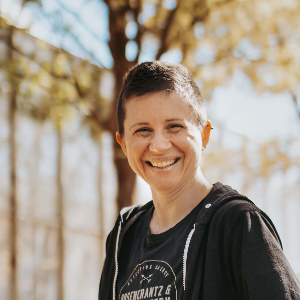
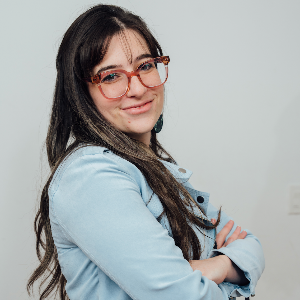
.jpeg)









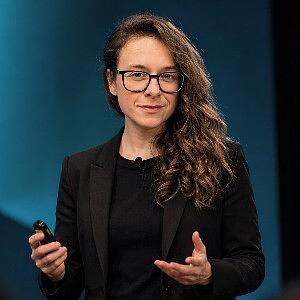
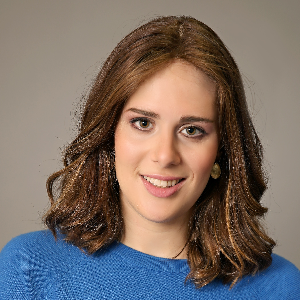















Here's how it works.
Your request
""▍
Say what you're stuck on. We line up the right person.
A session
REC
Live, one on one
30 min
Get the tactics from someone who's done it. Live, one on one.
After the call
Jonathan Del Gatto
Recording
You came in with
"Page explains it, nobody signs up."
You left with
"Explaining the product isn't the job. Name the pain."
24:44 / 30:00
Jump to the moment
Keep the recording, summary, and takeaways. Yours to implement.
What a copywriting mentor does
Most people who book a copywriting call do not need a line editor. They need someone to tell them what to say and to whom, then make the words follow. The hard part is rarely the phrasing. It is deciding what the page is supposed to do.
A good mentor walks you back up from the sentence to the message. Calls usually cover some version of these:
- Find the differentiator. What makes you the obvious choice, said plainly. You leave with the one thing to put at the top of the page.
- Name the real buyer. Who this is for and how they decide, so the copy talks to one person instead of nobody.
- Lead with the outcome. Translate what you do into the result the buyer wants, instead of opening with features and specs.
- Pick the angle. There are five ways to frame your offer. A mentor helps you commit to the one that lands and drop the rest.
- Make the words follow. Once the message is settled, the headline, value prop, and CTA get easy. The hard decisions came first.
You also leave with a record. After each call, the takeaways are written down for you, ready to keep or skip:
 Eden BidaniHomepage message review
Put the one thing that makes you the obvious choice at the very top of the page.
Write the page for the one buyer most likely to sign off, not the whole market.
KeepSkipOpen with the result the reader gets, and move the feature list underneath it.
KeepSkipPick one angle for the offer and cut the other four before you touch the wording.
KeepSkipWhy traffic but no signups
"People land on my site and nobody signs up" is one of the most common things brought to a call. The traffic is rarely the problem. The page is not saying what you do clearly enough for a stranger to get it in five seconds.
A mentor reads your page the way a first-time visitor would and finds where it loses them:
- The headline is vague. it tries to sound impressive instead of saying plainly what the product is and who it helps.
- It leads with features. the copy lists what the product has before it says what the visitor gets out of it.
- It speaks to everyone. the page is written so broadly that no single buyer feels like it was written for them.
- The ask is unclear. the visitor cannot tell what to do next, or the next step feels too big for a first visit.
- It is full of jargon. the words make sense to you and your team, and mean nothing to the person you are trying to win.
Fixing the one that is costing you the most beats rewriting the whole page at once.
Mentors start diagnosing before the call. A typical first exchange after you book:
 Dani Whitestone
Clarity beats clever
The single most repeated fix in copywriting is also the least glamorous. Say what you do in plain language before you try to be memorable. A headline that a stranger understands instantly will out-convert a clever one almost every time.
When a mentor helps you rewrite the top of the page, they usually reach for one of a few reliable headline formats:
- The outcome headline. Lead with the result the buyer wants. Name the thing they get, not the thing you built.
- The X without Y line. Promise the upside and remove the dreaded cost. "Hire faster without the agency markup."
- The plain question. Ask the exact problem the buyer is searching for, in their words, so they feel seen.
- The who-it-is-for line. Name the audience directly so the right person knows the page was written for them.
Features vs benefits
The most common copy mistake is describing the product instead of the result. Buyers do not want a feature list. They want to know what changes for them once they have it.
A mentor helps you run every line through one test: what does the reader get out of this?
- Start from the feature. write down the thing the product does, exactly as your engineering team would describe it.
- Ask so what. keep asking until you reach the concrete result the buyer cares about, not the next feature.
- Make it specific. "saves time" is weak. "Cuts your monthly close from five days to one" is the benefit.
- Keep one proof point. a number, a name, or a before-and-after that makes the benefit believable instead of a claim.
Features earn trust once the buyer already wants the outcome. Lead with the outcome and the features stop carrying the whole page.
two moves, in order
Ask so what
Two-way sync with your CRM
Your pipeline is never out of date
Make it specific
Faster onboarding
New reps sell in week one, not month one
A benefit the buyer can picture
The result is concrete enough to see, and the feature underneath now reads as proof of it.
The order matters: reach the outcome before you name the feature.
Write for one customer
Trying to appeal to everyone produces copy that lands with no one. The instinct is to keep the audience broad so you do not exclude anyone. The result is copy so general that no buyer feels addressed.
A mentor helps you narrow until the page has a clear reader in mind:
- Pick the buyer worth winning. if you are stuck between three audiences, choose the one most likely to buy now and write the page for them.
- Separate the org from the role. the company you sell to and the person who signs off are different. Name both, and write to the human.
- Find the pain that defines them. the specific problem only your ideal buyer feels is the line that makes the right person stop scrolling.
- Let the wrong-fit reader bounce. copy that clearly is not for someone is copy that is clearly for someone else. That is the point.
A narrow page still reaches the wider market
Founders fear that picking one audience shrinks the market. In practice, a page written for one buyer converts better and can still be read by adjacent ones. Writing for everyone is what shrinks results.
Frameworks that help
You do not need to memorize a dozen formulas. A couple of simple structures cover most pages and most outreach, and a mentor can tell you which one fits what you are writing.
- PAS. Problem, Agitation, Solution. Name the pain, make the reader feel its cost, then present your offer as the way out. Strong when the problem is emotional or urgent.
- AIDA. Attention, Interest, Desire, Action. Hook them, build interest with benefits, create desire with proof, then ask for the click. Good for a full landing page.
- Before and after. Show life with the problem, then life once it is solved. The gap between the two is the value, and it sells itself.
- The one-sentence promise. What you do, for whom, and the result, in a single line. The discipline of writing it forces the message to get clear.
The framework is a scaffold, not the point. It helps you order the argument. The message underneath still has to be right.
a one-sentence promise, x-rayed
Turn your API into docs developers actually read1, for solo founders shipping their first SDK2, so integration goes from days to an afternoon3.
What you do
The thing itself, said plainly. No category jargon, no clever spin.
For whom
The one buyer this is for. A reader outside it moves on, which is the point.
The result
What changes for them, stated concretely. This is the part that keeps them reading.
Three parts, one line. The part most founders skip is for whom.
Finding your brand voice
Once the message is clear, the next worry is sounding like a real person and keeping that consistent across the whole site. Voice is who you are. Tone is how that shifts by context. You set the voice once, then adjust the tone for a pricing page versus an error message.
A mentor helps you define a voice you can write to, then keep the site sounding like one person:
- Name three traits. pick a few words for how you want to come across, like direct, warm, and plainspoken, and write to those.
- Write how you talk. read it aloud. If you would not say it to a customer across a table, do not put it on the page.
- Decide what you never say. a short list of banned words and clichés keeps the writing from drifting into generic filler.
- Keep one reference page. a single example of the voice done right gives anyone who writes for you something to match.
Consistency is what makes a small company feel like one confident voice instead of five different writers.
Read it aloud. If you would not say it to a customer across a table, it is on the wrong side.
Fixing outbound copy
Plenty of people book a call because their email and LinkedIn outreach is getting ignored. The sequences are built and sending. The reply rate is near zero. Usually the words are the problem, not the volume.
A mentor reads your outreach from the prospect's side and finds why it gets deleted:
- The value prop is wrong. you are leading with the offer that matters to you, not the outcome that matters to this specific segment.
- The opener is about you. the first line talks about your company instead of the prospect's situation, so they stop reading.
- The personalization is hollow. a mail-merged first name is not personalization. A real reason you reached out to this person is.
- The ask is too big. you request a 30-minute call from a stranger. A smaller, easier yes gets far more replies.
- The CTA is vague. "let me know your thoughts" gives the reader nothing to do. One clear, low-friction next step does.
Outreach is copywriting under the hardest conditions: one cold reader, two seconds of attention. The fundamentals still decide it.
a cold email, x-rayed
Saw your team just moved onto a new CRM1. Most teams lose a week cleaning up that migration2. Worth 15 minutes on how three similar teams avoided it3? Reply yes and I will send the short version4.
The opener
About the prospect, not you. It names their situation in the first line, so they keep reading.
The reason
A specific cost they feel, not a pitch for your product. This is the real personalization.
The ask
Small and easy to say yes to. Fifteen minutes, not a 30-minute call with a stranger.
The next step
One clear, low-friction action. "Reply yes" beats "let me know your thoughts."
Four lines, one cold reader. The line that gets it deleted is almost always the opener.
Write it, hire, or use AI
Most people on this page are weighing the same decision: write the copy themselves, hire a copywriter, or let AI draft it. Each has a cost, and the right call depends on your stage and how central the words are to the sale.
- Write it yourself. Cheapest in cash, costly in time, and only as good as your clarity on the message. A mentor call is what makes the DIY version work.
- Hire a copywriter. Freelance rates run roughly $0.10 to $1.00 a word, and a full landing page can be $3,500 or more. Worth it once you know what you want said.
- Use AI to draft. Tools cost $20 to $100 a month and write fast, but they still need a human to give them the message and catch the generic, off-voice lines.
You can also run it in reverse: post what you are stuck on as a help request, and mentors raise their hands to take it.



When to book a call
You do not need a finished brief. Bring the page or the sequence you are stuck on and the decision you keep circling. The most useful moments to book:
- Your site does not say what you do. the product is built, the homepage still has placeholder copy, and the value prop feels not good enough to ship.
- You cannot describe your own offer. you are a founder, agency, or consultant whose about page could belong to anyone. The shoemaker with no shoes.
- Your outreach is silent. the sequences send and the replies do not come, and you cannot tell which line is killing it.
- You are writing for everyone. you keep defaulting back to a broad audience and the copy never gets specific enough to land.
- You are about to pay for it. you are close to hiring a copywriter or an agency and want the message settled before you spend.
A focused 30 minutes with the right mentor usually beats another week of staring at the blank page.
What people book copywriting calls about
Rarely what they end up solving. The ask on the booking form is usually a symptom, and a mentor who has done this work recognizes the pattern underneath it. Three that come up again and again:
walked in as, walked out as
Walked in as
A headline problem
Rewritten six times, still falls flat.
Walked out as
An audience problem
Pick the buyer, the words follow.
Walked in as
A wording problem
The copy reads flat to everyone.
Walked out as
A focus problem
Written for all, it lands with none.
Walked in as
A value-prop problem
Visitors still miss the point.
Walked out as
A features problem
Specs up top, the outcome buried.
Three calls, one mechanic. The problem that leaves the room is never the one that walked in.
Why GrowthMentor
Every mentor on GrowthMentor is vetted before they are accepted. Fewer than 5% of applicants get in. They are operators who have written and shipped copy that sold real products, not influencers selling a course.
Copy is rarely a writing problem in isolation, so the right mentor for it usually brings positioning, messaging, and go-to-market depth too. You can find someone who has fixed the exact thing you are stuck on, then a different person for the next question.
Calls this month
Book the fourth call, or the fortieth. Nothing on this receipt changes.
People who were exactly where you are.
GrowthMentor enables us to swiftly get a world-class expert to give us guidance on any marketing issue or question in a matter of days.

Hamel Shah · Co-Founder
Read Hamel's storyKnowing I can always book a call to help me clarify what I'm doing is the best feeling in the world.

Lena Sesardic · Product Manager
Read Lena's storyI like to set my own strategies and then get help from experts to improve on them and check if I'm on the right track.

Minh · Solo Founder
Read Minh's storyIt gave me fast access to expert-level insights that I couldn't get from academic research or user surveys alone.
Nicola Rubino · Growth Marketing Consultant
Read Nicola's storySometimes I'm stuck at one step and all I need is someone who can share experiences of what they did when they were in my situation.

Annie Chen · Head of Marketing
Read Annie's storyI enjoy having pretty much instant access to a pool of worldwide, expert mentors who are keen to share their expertise and help others.

Carlos Terol · Co-Founder
Read Carlos's storyAsk ChatGPT
Don’t take our word for it.
Ask ChatGPT what it really knows about copywriting mentors and GrowthMentor, then decide for yourself.
Before you join
What people ask before their first call.
Say what you do in plain language before you try to be clever. Lead with the outcome the buyer wants, or name the audience directly so the right person knows the page is for them. A mentor can help you test a few headline formats against your real buyer and pick the one that lands.
Usually the page is not saying what you do clearly enough for a stranger to get it in five seconds. It is often a vague headline, a feature list instead of a benefit, copy written for everyone, or jargon. A mentor reads it like a first-time visitor and finds the one thing costing you the most.
Take each feature and keep asking "so what" until you reach the concrete result the buyer cares about. "Saves time" is weak. "Cuts your monthly close from five days to one" is a benefit. A mentor can run your page through this fast and show you where you are still leading with specs.
Start with the differentiator and the buyer, not the wording. A strong value prop says what you do, for whom, and the result, in one line a stranger understands. Most founders get stuck because the message underneath is not settled yet, which is exactly what a call is for.
If your copy could describe several different audiences, then yes, and it is the most common trap. Trying to appeal to everyone lands with no one. A mentor helps you narrow to the buyer worth winning, separate the company from the person who signs off, and write the page for them.
PAS is Problem, Agitation, Solution: name the pain, make the reader feel its cost, then present your offer as the way out. AIDA is Attention, Interest, Desire, Action, better for a full landing page. Both are scaffolds. A mentor can tell you which fits what you are writing and why.
Pick three words for how you want to come across, write the way you would talk to a customer across a table, and keep a short list of words you never use. Voice is who you are, tone is how it shifts by context. A mentor can help you define a voice you can write to and keep it consistent across the site.
Usually the words, not the volume. The value prop is wrong for the segment, the opener is about you instead of the prospect, the personalization is hollow, or the ask is too big. A mentor reads your sequence from the prospect's side and finds why it gets deleted.
It depends on your stage and how central the copy is to the sale. Writing it yourself is cheapest but only as good as your clarity on the message. Hiring is worth it once you know what you want said. Either way, settle the message first, which is the cheapest part to get wrong.
AI drafts fast and is cheap, but it still needs a human to give it the message and catch the generic, off-voice lines. It will happily write clear copy about the wrong thing. A mentor helps you settle the differentiator and the buyer so whatever you feed the tool is right.
Freelance copy runs roughly $0.10 to $1.00 per word, a full landing page can be $3,500 or more, and AI tools cost $20 to $100 a month with human oversight. A mentor call is the cheapest way to get the message right before you commit to any of those.
Bring the page or the outreach sequence you are stuck on and the decision you keep circling. The more concrete the artifact, the more useful the 30 minutes. You do not need a polished brief, just the real thing you are trying to make work.
Still have questions? See all FAQs →
Related blog posts
Marketing
How to Explain What Your Startup Does in One Sentence
The one-liner won't come because the who is undecided. Pick one segment, fill the template, add one number, then test the sentence on three strangers.
Read the postGrowth Strategy
AI does the work now. It still can't tell you which work is worth doing.
AI made execution almost free across every function. The bottleneck moved to judgment, the one thing it can't hand you. The map of what AI can't do, and who can.
Read the postPricing
You don't have a pricing problem. No one understands your offer.
Stuck on how to structure your pricing tiers or what to charge? Usually the real problem is that no one understands your offer. Run the one-pager test, and price last.
Read the postYou could keep guessing. Or ask someone who's done it.
Every face here has already solved what you're working on in copywriting. You're one call away.