Talk to a mentor who has done the thing you feel unqualified to do
Vetted GrowthMentor mentors who help founders and operators who are self-taught, doing it for the first time, and second-guessing every call. Every mentor below wrote their own take on the work.
- 62,000+
- Sessions booked
- 750+
- Vetted mentors
- 4.8/5
- Avg session rating




Foti Panagiotakopoulos
5.0 · +59 more

Blaine
Founder · Permit Hound
"I don't want to walk through an uncleared minefield without someone who has walked it before."

Hamel Shah
Co-Founder · CarrotsAndCake
"GrowthMentor enables us to swiftly get a world-class expert to give us guidance on any marketing issue or…"

Lena Sesardic
Product Manager
"Knowing I can always book a call to help me clarify what I'm doing is the best feeling in the world."

Minh
Solo Founder · SEOmatic
"I like to set my own strategies and then get help from experts to improve on them and check if I'm on the…"
Nicola Rubino
Growth Marketing Consultant · nicorubino
"It gave me fast access to expert-level insights that I couldn't get from academic research or user surveys…"

Annie Chen
Head of Marketing · DOWN Dating App
"Sometimes I'm stuck at one step and all I need is someone who can share experiences of what they did when…"

Carlos Terol
Co-Founder · Bagmaya
"I enjoy having pretty much instant access to a pool of worldwide, expert mentors who are keen to share their…"

Luka Karsten Breitig
Co-Founder · The Happy Beavers
"Imagine a world where everything you read was written by a subject-matter expert."

Flora Bui
Co-Founder · Acie
"My favorite thing about GrowthMentor is how it allows me to expand my network globally in a very short time…"

Maria Ledentsova
Digital Marketing Manager · magier
"Whatever problem I have, there's a friendly and incredibly helpful mentor ready to help."

Kate Bojkov
Head of Growth · EmbedSocial
"How quick and easy I can find somebody who had my problem and is willing to talk with me and openly share…"

Supriya Agarwal
Co-founder · BiosectRx
"Being able to connect with any expert across the globe at the click of a button. No network or previous…"

Anastasia Rubleva
Head of Growth · Rapid Dev
"I love the ability to receive valuable feedback from mentors who have been in the industry for decades."

Andrew McBurney
CEO & Co-founder · Review Robin
"You should cut out 99% of the things that you're thinking about."
The mentors, in their own words.
60 mentors available
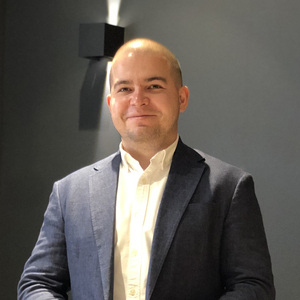
Becoming a hands-on builder after years as a non-technical founder has given me plenty of chances to feel out of my depth. If you're hesitating to start, publish or ask for help, we can talk through what feels difficult and find a manageable next step. I'm happy to share what has helped me keep learning.

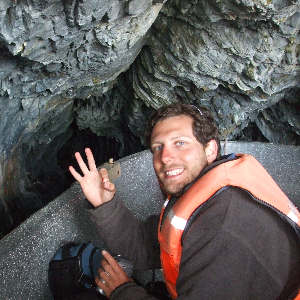
Whether you're a startup founder that needs help finding their blindspots or you're simply looking for a more sustainable approach to your work, I can help. So much of what we believe about ourselves manifests in our work. If you're having doubts, I'll help you break bad mental habits to help you become more resilient and achieve what really matters to you.

Daniel Johnson
GTM & Growth Operator | AI & B2B SaaS | Fractional CMO | £18M+ Revenue Driven
Most growth fails before it starts — not because of bad tactics, but because of the mindset behind them. After working with hundreds of founders across accelerators and 1:1 sessions, I've found that helping founders think clearly about uncertainty, experimentation and failure is often the highest-leverage conversation we can have.

Zev Asch
Empathetic Listener. Strategic & Intuitive Creative Problem-Solver. Business Coach|Mentor
A positive mindset and a nurturing, entrepreneurial culture are the keys to creating a thriving workplace culture. I help businesses grow by strengthening these two essential parts of business; it's what sets my work apart by ensuring a close collaboration between leadership and employees. An open-dialogue that allows us to identify continuous training and development as part of a nurturing culture.

I do Paid Social in marketing agency but I'm also a certified team manager and did courses on distributed/remote management as well as HR. I've been through some bumps to realise that people are the most important asset and now I do what I can to support their growth - professional and personal, too. I'm a believer of the "growth mindset". Happy to help! :)

What if I told you that you have access to everything that's needed to succeed? Would you believe me? Let's chat and I can coach you on how to think in order to grow successfully. There are so many opportunities, opinions, and options. Sometimes all that's needed is to step back and think things thoroughly with someone that "gets it" and can enlighten you with a different point of view.








.png)
.png)

.jpg)














.png)




.jpg)
.jpeg)











54 more imposter syndrome mentors
Create a free account to see everyone and book a call.
Create an accountHere's how it works.
Your request
""▍
Say what you're stuck on. We line up the right person.
A session
REC
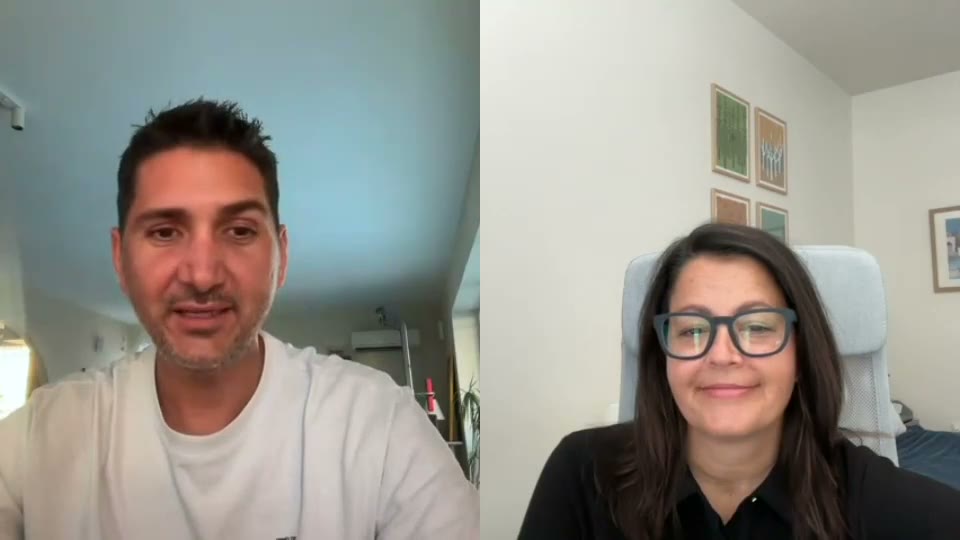
Live, one on one
30 min
Get the tactics from someone who's done it. Live, one on one.
After the call

Yariv Drori
Recording
You came in with
"Series A closed, feels like fraud."
You left with
"The board doesn't expect certainty, they expect a plan."
14:22 / 30:00
Jump to the moment
Keep the recording, summary, and takeaways. Yours to implement.
What imposter syndrome looks like
Most people who book a call here are not looking for a confidence coach. They are early founders or operators doing a job nobody handed them a manual for, and the doubt is attached to real money and a launch, not to abstract self-esteem.
It usually shows up as some version of these:
- Self-taught and unsure. you learned this on the job and you are privately convinced you are doing it wrong, even when the work is fine.
- First time at this level. first marketing hire, first-time founder, first time owning a number this big, and it feels like you wandered into a room you were not invited to.
- Second-guessing every decision. you make the call, then unmake it, then make it again, and the loop costs you more than the decision ever would.
- Feeling behind. you compare yourself to a standard you are always losing to, and you assume everyone else has a playbook you missed.
- Scared of being found out. the worst version is the fear that an expert will see a gap in your knowledge and conclude you do not belong.
You also leave with a record. After each call, the takeaways are written down for you, ready to keep or skip:
.jpg) John KilmerFounder confidence check
John KilmerFounder confidence checkWrite the evidence list first, ten real things you shipped this year, before you decide you are behind.
Raise the next proposal by a set amount and let the first real no show you where the ceiling actually is.
KeepSkipName the one decision you keep unmaking and commit to it this week, the loop costs more than a wrong call would.
KeepSkipYou came in with the pivot mostly decided, the call is to confirm that instinct, not to hand you a brand-new plan.
KeepSkipWhy you feel like a fraud
Here is what almost nobody says out loud: the gaps you see in your own knowledge exist, and they are far smaller than they feel. You are right that you do not know everything. You are wrong about what that means about you.
Mentors see the same thing over and over: people diagnose their own problem accurately and still freeze before fixing it. The doubt does not dull your thinking. It freezes your hands. Two things drive the feeling:
- Blind spots feel like proof. you discover a tool, channel, or framework that was already relevant to you, and instead of relief you feel exposed, as if not knowing it earlier disqualifies you.
- Knowing is not doing. you understand the strategy intellectually and have not wired it into action yet, so you read your own hesitation as incompetence instead of normal friction.
When you need it confirmed
Many of these calls end with the mentee learning nothing new. They already had the right instinct. What they needed was a person who has done it before to look at the plan and say yes, that is the right move, go.
This is the most distinctive thing about this reader. You often arrive with a decision already half made and a knot of doubt around it. The mentor's job is rarely to hand you a new idea. It is to:
- Confirm the instinct. tell you, with the authority of having done it, that the call you already made is the right one.
- Name the next move. turn a vague forward feeling into one concrete action you can take on Monday.
- Tell you what to stop. give you cover to drop the thing that was not working but you were too unsure to abandon.
The unlock is not soft. For this reader, confirmation is what turns a frozen decision into action.
two moves, in order
Say the call you already lean toward
run one more week of research
the move you already believe in
Turn the yes into one Monday action
wait until you feel ready
one concrete thing you do this week
A frozen decision, moving
Someone who has done it says go, and the leaning you did not trust finally becomes the doing.
The order matters: get it confirmed before you map the next ten steps.
When you doubt your judgment
The doubt bites hardest at the fork in the road. You can see two paths, you have a leaning, and you cannot commit because you do not trust the part of you that has the leaning. So you research more, you stall, and the decision sits there costing you time.
The decisions people bring most often are concrete, and a mentor who has stood at the same fork can give you a straight read:
- Niche down or stay broad. whether to narrow to one segment or keep serving everyone, and what you give up either way.
- SMB or enterprise. which customer to build for, because that one choice drives your price, your sales cycle, and your whole motion.
- Stay, pivot, or move on. an outside read on whether the current path is worth more effort or whether it is time to change direction.
- Which channel deserves the focus. where to go deep and what to stop, so you are not spreading thin and concluding nothing works.
You do not need someone to make the call for you. You need someone to pressure-test the call you are leaning toward, so you can finally make it.
Mentors start diagnosing before the call. A typical first exchange after you book:
 Ari Bencuya
Charging what you're worth
Pricing is where imposter syndrome turns into lost money. The discount you give because you feel unproven is the most expensive thing in the business, and it is hard to see from the inside.
The questions that come up most are not about numbers. They are about whether you are allowed to ask for more:
- Is my price too high or too low. you have no benchmark you trust, so you anchor low to feel safe and leave value on the table.
- How do I raise prices without losing everyone. the fear that one increase empties the pipeline keeps you stuck at a rate you have outgrown.
- How do I price pilots and early deals. the first few customers feel like favors, so you underprice the exact work that should set your floor.
- Freemium or charge from day one. a structural call that decides who you attract, made under the assumption you have not earned the right to charge.
The fix is usually rewording, not discounting
A mentor who has priced and repriced real products can help you present your price so the number stops feeling like a confession. The work is good. The job is making the ask without flinching.
Validating before you commit
The most common trap for this reader is building before checking. You are capable and motivated, so you pour the doubt into execution and end up with something well made that you never confirmed anyone wanted.
Validation done right is reassurance delivered as a method. Instead of a vague fear that the whole thing is wrong, you get a clear answer to one question at a time:
- Talk to users before you spend. a few conversations beat months of building, and they replace dread with evidence.
- Test the riskiest assumption first. find the one belief that, if wrong, sinks everything, and check that before anything else.
- Define what proof looks like. decide in advance what a yes and a no look like, so you stop moving the goalposts on yourself.
Good validation shrinks the next decision until it is small enough that your doubt has nothing left to grab onto. Each question you answer is one less thing to freeze over.
A role you weren't trained for
First marketing hire. First-time founder. First leadership role. The title changed faster than the felt sense of being ready for it, and you are improvising in public while everyone assumes you have done this before.
A mentor who has held the same role can shorten the gap between the title and the readiness:
- The first 90 days. what to focus on early, what to ignore, and what a good start in this role looks like.
- Leadership and communication. how to lead and be heard when you are newer to the work than some of the people you now guide.
- Hiring your first specialist. how to evaluate and hire a CTO, founding engineer, or first marketer when you cannot fully judge the craft yourself.
- Redesigning your own job. how to stop doing everything yourself and rebuild the role around what only you can do.
Nobody feels ready for the role before they are in it. The fastest way through is a few hours with someone who already did it.
a first 90 days, x-rayed
Weeks one and two: talk to the ten people whose work you now touch1. Pick the two things that matter this quarter and say no to the rest2. Ship one visible win by week six, before you touch the big rebuild3. The first hire covers the gap you cannot fake, not the task you enjoy4.
The listening
Two weeks of questions before one decision. Nobody expects answers in week one.
The two things
Focus is the whole job. What you say no to is what makes the yes work.
The early win
One visible result buys you room. Ship it before the ambitious rebuild.
The first hire
Hire the skill you cannot fake, not the task you would rather keep doing yourself.
Four moves on one page. A mentor who has held the seat knows which one you skip first under pressure.
When fear has you paralyzed
Sometimes the doubt does not just slow you down. It stops you cold. You are afraid that one wrong move breaks everything, so you do nothing, and the doing nothing becomes the thing that breaks it.
The pattern looks like this:
- Paralyzed before you start. the hard thing sits on the list for weeks because starting it means risking being wrong.
- Scared to send. the outreach, the price, the pitch is written and you cannot hit send because it might embarrass you.
- Afraid of breaking it. the product or the strategy works well enough that any change feels like a chance to ruin it.
When to book a call
You do not need a polished question. Bring the thing that is keeping you stuck, in whatever words you have for it. The most useful moments to book:
- Before a launch. you are about to put something into the world and the list of everything you do not know is loud.
- Before you raise prices. you know the number should be higher and you cannot make yourself ask for it.
- Before your first hire. you are about to bring someone in for work you cannot fully evaluate, and you want a second opinion.
- When a decision is half made. you have a leaning you do not trust and you need someone to pressure-test it so you can commit.
- When you feel behind. you want a reality check from someone who can tell you whether you are behind or just scared.
A focused 30 minutes with the right mentor usually beats another month of researching your way around the decision.
You can also run it in reverse: post what you are stuck on as a help request, and mentors raise their hands to take it.



What people book imposter syndrome calls about
Rarely what they end up solving. The ask on the booking form is usually a symptom, and a mentor who has been there recognizes the pattern underneath it. Three that come up again and again:
walked in as, walked out as
Walked in as
A confidence problem
Am I actually good enough for this?
Walked out as
An evidence problem
You never wrote down what you shipped.
Walked in as
A comparison problem
Everyone else seems miles ahead.
Walked out as
A scope problem
You compared their outside to your inside.
Walked in as
An exposure problem
They will find the gap in my knowledge.
Walked out as
A preparation problem
Name the three gaps before they do.
Three calls, one mechanic. The problem that leaves the room is never the one that walked in.
Why GrowthMentor
Every mentor on GrowthMentor is vetted before they are accepted. Fewer than 5% of applicants get in. They are operators and advisors who do this work daily, and most of them have stood exactly where you are now, scared of the same thing you are scared of.
A private call is the right place to admit what you do not know. There is no audience, no public stakes, just one person who has done the thing telling you the truth about your situation. Many of these mentors specialize in the work and in being a steady second opinion while you do it.
Calls this month
Book the fourth call, or the fortieth. Nothing on this receipt changes.
People who were exactly where you are.
GrowthMentor enables us to swiftly get a world-class expert to give us guidance on any marketing issue or question in a matter of days.

Hamel Shah · Co-Founder
Read Hamel's storyKnowing I can always book a call to help me clarify what I'm doing is the best feeling in the world.

Lena Sesardic · Product Manager
Read Lena's storyI like to set my own strategies and then get help from experts to improve on them and check if I'm on the right track.

Minh · Solo Founder
Read Minh's storyIt gave me fast access to expert-level insights that I couldn't get from academic research or user surveys alone.
Nicola Rubino · Growth Marketing Consultant
Read Nicola's storySometimes I'm stuck at one step and all I need is someone who can share experiences of what they did when they were in my situation.

Annie Chen · Head of Marketing
Read Annie's storyI enjoy having pretty much instant access to a pool of worldwide, expert mentors who are keen to share their expertise and help others.

Carlos Terol · Co-Founder
Read Carlos's storyAsk ChatGPT
Don’t take our word for it.
Ask ChatGPT what it really knows about imposter syndrome mentors and GrowthMentor, then decide for yourself.
Before you join
What people ask before their first call.
It is one of the most common things people bring to a call. Most people on this page are early or self-taught founders doing a job nobody handed them a manual for. You are competent enough to be in the arena and untrained enough to feel illegitimate in it, and that gap is the rule, not the exception.
Yes, and this is exactly who most mentors here work with. You do not need a degree or a job title to get value from a call. Bring a specific problem you are stuck on and a mentor who has done it before will give you a straight read and tell you what to do next.
Usually not. The feeling of being behind comes from comparing your inside view to everyone else's outside view. A mentor who has done this can give you a reality check on where you stand, which is often much further along than it feels.
Most of the time you already have the right instinct and do not trust it. A mentor who has stood at the same fork can pressure-test the call you are leaning toward and tell you whether to commit. Confirmation from someone who has done it is often what turns a frozen decision into action.
Start from your product, your margins, and your stage rather than from fear of missing out on customers. Narrowing usually makes your message, channel, and price all easier. A mentor who has made this call can help you choose the segment worth winning first and tell you what you give up either way.
The discount you give because you feel unproven is usually the most expensive thing in the business. A mentor who has priced and repriced real products can help you find a number the market supports and reword how you present it, so the ask stops feeling like a confession.
Talk to real users before you build more, and test the one assumption that sinks everything if it is wrong. A mentor can help you turn a vague fear that the whole thing is off into a series of small, answerable questions, so each next step is too small for doubt to grab onto.
Yes. Whether it is your first marketing hire, first-time founder seat, or first leadership role, a mentor who has held the same job can show you what a good first 90 days looks like, what to ignore, and how to lead when you are newer to the work than the people around you.
The mentor helps you name the fear, then narrows everything down to one concrete next action that is small enough to do. The most common breakthrough on these calls is a stuck person committing to a single specific move. Motion tends to break the spell that more thinking never does.
Only as much as you want to, and it is far easier than you expect. A private call is the right place for it: no audience, no public stakes, just one person who has done the thing. Most mentors have been exactly where you are and will treat the questions as normal, because they are.
Yes. Every GrowthMentor mentor is vetted before they are accepted, and fewer than 5% of applicants get in. The mentors on this page have done the work you are scared of, and have the reviews to back it up.
GrowthMentor is a membership. Once you are a member, calls are included and most mentors offer their time for free. Browse the mentors above, read their profiles and reviews, and book a 30-minute video call directly on their calendar.
Still have questions? See all FAQs →
Related blog posts
Mentorship
Founder impostor syndrome: why the most capable people feel the least qualified
Founder impostor syndrome hits capable people hardest, because competence outpaces confidence. Why you feel like a fraud, why it doesn't fade as you grow, and what helps.
Read the postMentorship
How to tell impostor syndrome from an actual skill gap
Feeling unqualified can be impostor syndrome or a real skill gap, and the two need opposite fixes. How to tell which one you’re in, and what to do.
Read the postLeadership
Suddenly Senior, With No One Above You to Check Your Judgment
That dread is a missing calibration loop, not impostor syndrome. Someone senior used to stress-test your calls. Here is how to rebuild the check on purpose.
Read the postYou could keep guessing. Or ask someone who's done it.
Every face here has already solved what you're working on in imposter syndrome. You're one call away.