Get a community building mentor who has grown one from zero
Vetted GrowthMentor mentors who have built communities, marketplaces, and audience-led products. Every mentor below wrote their own take on the work.
- 62,000+
- Sessions booked
- 750+
- Vetted mentors
- 4.8/5
- Avg session rating



Foti Panagiotakopoulos
5.0 · +16 more

Blaine
Founder · Permit Hound
"I don't want to walk through an uncleared minefield without someone who has walked it before."

Hamel Shah
Co-Founder · CarrotsAndCake
"GrowthMentor enables us to swiftly get a world-class expert to give us guidance on any marketing issue or…"

Lena Sesardic
Product Manager
"Knowing I can always book a call to help me clarify what I'm doing is the best feeling in the world."

Minh
Solo Founder · SEOmatic
"I like to set my own strategies and then get help from experts to improve on them and check if I'm on the…"
Nicola Rubino
Growth Marketing Consultant · nicorubino
"It gave me fast access to expert-level insights that I couldn't get from academic research or user surveys…"

Annie Chen
Head of Marketing · DOWN Dating App
"Sometimes I'm stuck at one step and all I need is someone who can share experiences of what they did when…"

Carlos Terol
Co-Founder · Bagmaya
"I enjoy having pretty much instant access to a pool of worldwide, expert mentors who are keen to share their…"

Luka Karsten Breitig
Co-Founder · The Happy Beavers
"Imagine a world where everything you read was written by a subject-matter expert."

Flora Bui
Co-Founder · Acie
"My favorite thing about GrowthMentor is how it allows me to expand my network globally in a very short time…"

Maria Ledentsova
Digital Marketing Manager · magier
"Whatever problem I have, there's a friendly and incredibly helpful mentor ready to help."

Kate Bojkov
Head of Growth · EmbedSocial
"How quick and easy I can find somebody who had my problem and is willing to talk with me and openly share…"

Supriya Agarwal
Co-founder · BiosectRx
"Being able to connect with any expert across the globe at the click of a button. No network or previous…"

Anastasia Rubleva
Head of Growth · Rapid Dev
"I love the ability to receive valuable feedback from mentors who have been in the industry for decades."

Andrew McBurney
CEO & Co-founder · Review Robin
"You should cut out 99% of the things that you're thinking about."
The mentors, in their own words.
17 mentors available
Building GrowthMentor taught me how much a marketplace depends on the people who join first. I can help with finding your initial providers, vetting them, earning trust and giving them a reason to contribute. We can also talk about the awkward stage where people sign up but nobody books anything.

Serhat Hocazade
3x first marketing hire | Positioning, pipeline, paid ads, AI for marketing teams | ex Amazon, Facebook, LinkedIn
Found an overlooked persona at Massive Bio, patient caregivers, and built a 30,000-member community in six months on Reddit, Facebook groups, and clinician-led webinars. It became a major pipeline source. Community works when it serves the members first; I'll help you decide if yours should exist.

Over the course of my career, I have built many communities. As a web3 professional, I have seen community as one of the core pillars that drive brand loyalty, audience awareness, and revenue growth. If you would like to know how to build a vibrant community that supports your product and amplifies your efforts, contact me.

Annie P Ruggles
Founder of The Non-Sleazy Sales Academy, Host of Anniepreneur Presents
I help founders build communities people actually show up for: weekly events, monthly rituals, retreats, and the connective tissue that makes strangers feel like work family.

Arie Elbelman R.
Facilitating dynamic processes so you can unveil the soul of your brand, and communicate better.
Crafting, growing and maintaining a "sense of belonging" is key when building and strengthening communities. The question is how do we do that effectively... and there is more than one way to guarantee that people/members will feel that. For years I've been nurturing myself with courses and hands-on practice; creating strong communities both for NGO's, companies, and groups of people with -more than one- things in common.
As a Notion Ambassador I've hosted 4 events for Marketers in Berlin as part of the "Notion for Marketers" series. I've set up systems in Notion from 0 that make hosting events seamless and clear. Other than this, I co-hosted a dinner for 30 CMO's, Founders and Heads of Marketing during my time at magier. Community Building has been a part of everything I do, and I'm happy to share my advice & strategy here.








11 more community building mentors
Create a free account to see everyone and book a call.
Create an accountHere's how it works.
Your request
""▍
Say what you're stuck on. We line up the right person.
A session
REC
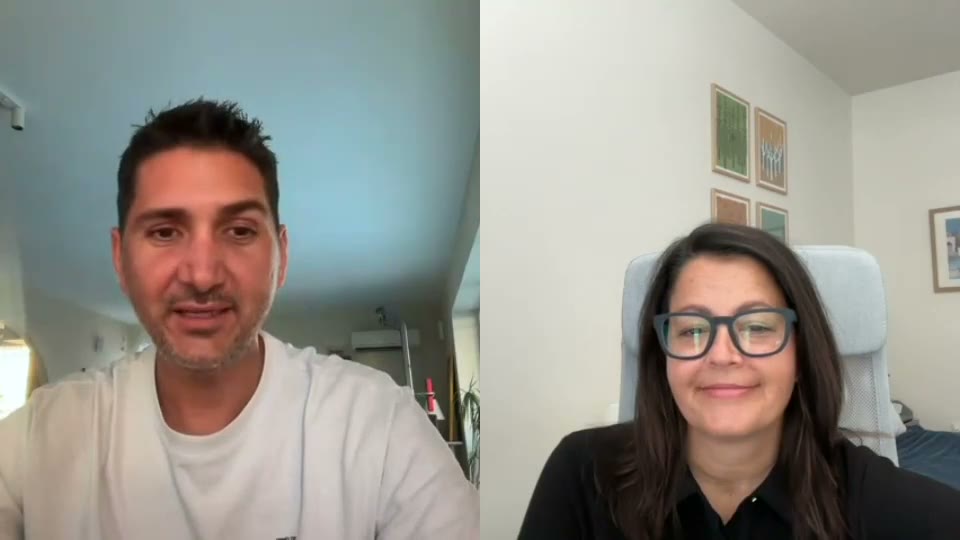
Live, one on one
30 min
Get the tactics from someone who's done it. Live, one on one.
After the call

Dani Hart
Recording
You came in with
"Slack group, 40 members, silent."
You left with
"Kill the general channel, start one ritual."
07:59 / 30:00
Jump to the moment
Keep the recording, summary, and takeaways. Yours to implement.
What a community mentor does
A community building mentor has already grown the kind of community-led product you are building: a marketplace, a membership, a creator audience, or a platform where the community is the thing that has to work. You get a 1:1 call with someone who has solved the empty-room problem before and knows which move comes first.
Most calls do some version of five things:
- Reframe the goal. "Grow my community" becomes one concrete problem: a cold start that will not start, a target that is too broad, or a monetization decision you keep avoiding. You leave knowing which one to work on first.
- Name who it is for. Most founders here are building for everyone. A mentor helps you draw a hard line on the one group worth gathering first.
- Validate the assumption. Before you build more, a mentor pressure-tests the belief the whole thing rests on, and tells you what to confirm with users.
- Pick the first channel. Instead of running five half-efforts, you decide which one channel earns your first members, and which to drop.
- Activate what you own. The channel is often already in your pocket: a network, a list, your first customers. A mentor helps you turn it on.
You also leave with a record. After each call, the takeaways are written down for you, ready to keep or skip:
 Craig ZingerlineCommunity growth review
Start with the twenty people you can already reach, the platform choice matters less than the first conversations.
Run one recurring event before adding channels, a calendar beats a content plan at this stage.
KeepSkipValidate the paid tier with ten paying members before you build any gates.
KeepSkipTrack return visits per week, not signups. A community nobody revisits is a mailing list.
KeepSkipGrowing a community from zero
Most people who book a community building call are founders, not community managers. The community, marketplace, membership, or audience is the product, and it has to reach a critical mass before it works for anyone. That is a different problem from running a forum.
The hardest version is the two-sided cold start: supply and demand both wait on each other, so the room stays empty until something breaks the standoff.
- The chicken-and-egg problem. buyers will not come without sellers, sellers will not come without buyers, and neither side shows up first on its own.
- Early traction but no marketing. you have a handful of users and a working product, and no repeatable way to bring the next hundred.
- A social or community app with no critical mass. the experience only feels alive once enough people are inside, and getting to "enough" is the whole game.
- Too many features, no clear MVP. you are building a multi-sided platform and need to cut scope to the one loop that has to work first.
A mentor who has run a cold start picks one side to subsidize, one wedge to start with, and tells you what to ignore until the loop is turning.
Mentors start diagnosing before the call. A typical first exchange after you book:
 Sean Weisbrot
Beating the cold start
Plenty of founders arrive with the same fear: no audience, no budget, and a product that needs people inside before it is worth anything. The instinct is to wait for a big launch. The faster path is usually the network you already have.
A mentor helps you find traction from assets that are already in your pocket:
- Your existing network. The first ten members almost always come from people you already know, not from a cold channel. A mentor helps you go ask, deliberately.
- An email list or audience. If you have any list, even a small one, that is your warm start. A mentor helps you point it at the new thing without burning it.
- Your first paying customers. The people who already bought are your best source of the next ones. A mentor helps you turn them into referrals on purpose.
- Partnerships you have not used. Other people's audiences are the fastest way to borrow reach. A mentor helps you find the partner worth approaching first.
Who your community is for
The most common trap for community and platform founders is targeting everyone. A community with no clear "who" cannot get its cold start, because nobody feels like it was built for them. This is the problem most calls fix first.
A mentor helps you trade a broad target for a narrow wedge:
- "Everyone" and "SMBs" are not a target. they feel safe because they are big, and they are the reason your message lands with no one in particular.
- Pick the group that needs it most. the first members should be the people whose pain is sharpest, so the community is obviously for them from day one.
- Choose one segment before many. trying to serve several personas at once splits your product, your message, and your cold start three ways.
- Find the real buyer, not the obvious one. a mentor helps you check who shows up and pays, which is often not who you assumed when you started.
Narrowing feels like giving up reach. It is the opposite. A sharp "who" is what makes the channel, the message, and the first members all fall into place.
Monetizing without losing it
Once people are gathered, the question becomes how to charge without breaking the thing that made them gather. Price too early or too clumsily and the community thins out. Wait too long and you never build a business.
A mentor who has monetized a community or marketplace can talk you through the decisions:
- Membership versus subscription. what people pay for, how often, and what stays free so the room stays full enough to be worth joining.
- Commission versus subscription for a marketplace. a take rate aligns you with volume, a subscription gives predictable revenue, and the right answer depends on your liquidity.
- What to charge. pricing a membership or community is mostly about the value people feel inside, not a number copied from a competitor.
- How to structure tiers. a good tier ladder lets members self-select into the plan that fits, instead of forcing one price on everyone.
A mentor helps you change how you present and explain the price, which is often worth more than the number itself.
The communities that monetize well charge for the thing members already ask for more of.
Creators, influencers, and UGC
Creator and influencer partnerships are the biggest question this cohort brings to a call. The appeal is obvious: borrow a built audience instead of building your own. The trap is spending on the wrong creators with no way to tell what worked.
A mentor who has run these campaigns helps you do it without lighting money on fire:
- Find and vet the right creators. Audience size is the wrong filter. A mentor helps you judge fit, engagement, and whether their followers are your buyers.
- Structure the deal. Flat fee, affiliate, or product, plus usage rights and deliverables. A mentor helps you write terms that protect you.
- Run the campaign end to end. From brief to content to posting, a mentor helps you set it up so creators deliver something that converts.
- Track what worked. Codes, links, and a way to attribute results, so you double down on the creators who moved the needle and cut the rest.
Used well, the same playbook covers UGC and short-form content you commission for paid social, not just one-off influencer posts.
a creator collab, x-rayed
Five micro creators your members already follow1. One co-created piece per month, hosted inside the community2. The creator gets the distribution, the archive stays yours3. The goal: each collab brings twenty members who stay past week one4.
The right size
Micro creators convert better here. Their audience actually replies to them.
The co-created piece
Made with the creator, not commissioned from them. Members can tell.
The trade
Reach for them, a home for the content for you. No invoice on either side.
The number
Members who stay past week one, not signups on launch day.
The hard part is picking the first creator, and that is what the call is for.
Churn and retention
Getting members in is only half the work. Many community and membership founders hit a wall where new people sign up and just as many leave, so growth flattens no matter how much they pour into the top.
A mentor helps you find why people leave and fix the retention leak before spending more on acquisition:
- Find the moment members drift. most churn happens early, before a member ever feels the value. A mentor helps you find that drop-off and close it.
- Fix activation, not just the offer. people often leave because they never reached the point where the community clicked, not because of price.
- Watch LTV, not just signups. a high-churn subscription can look healthy at the top and still be draining underneath. A mentor helps you read it.
- Build a reason to stay. the strongest retention comes from members getting value from each other, so the room is worth coming back to.
Plugging a retention leak is almost always cheaper than acquiring your way around it. Fixing why members leave is the move that makes everything above it pay off.
Building a feeder audience
For a lot of founders here, distribution is their own audience. The community grows because the founder shows up, publishes, and builds trust in public. The problem is doing it as a system instead of in bursts whenever there is time.
A mentor helps you turn content and personal brand into a channel that feeds the product:
- Content with a point of view. Trust and authority come from a consistent take, not volume. A mentor helps you find the angle worth being known for.
- A personal brand that pulls. For founders, the personal brand often is the top of the funnel. A mentor helps you turn attention into members and buyers.
- An owned list, not rented reach. Social can disappear overnight. A mentor helps you convert audience into an email list you control.
- A GTM you can run as a non-marketer. You do not need a marketing background. A mentor helps you build a go-to-market motion that fits how you already work.
The goal is one or two of these compounding, not all of them running at half effort.
two moves, in order
Pick one feeder channel
posting everywhere your members might be
the one channel where they already gather
Give people a reason to cross
a “join our community” link in every post
a weekly thing that only happens inside
A pipeline, not a launch spike
The community fills from a channel you control the tap on. It compounds.
The order matters: build the feeder before you push the invite.
When to book a call
You do not need a giant question. Bring the thing you would ask someone who has built a community five times before. The most useful moments to book:
- Your cold start will not start. you have a product that needs people inside, and you cannot get either side of the room to show up first.
- You are stuck on who it is for. you keep widening the target instead of narrowing it, and the message lands with no one in particular.
- You are about to monetize. you want a second opinion on membership versus subscription, what to charge, or how to price without thinning the room.
- Churn is climbing. members sign up and leave just as fast, and growth has flattened no matter what you do at the top.
- Before you spend on creators or ads. you are about to commit real budget to influencers or paid, and want a straight read before you do.
A focused 30 minutes with the right mentor usually beats spending the next month guessing at the cold start, the price, or the leak yourself.
What a mentor can help with
Community building is broad, and so is the network. The mentors who take these sessions are operators who have built and grown community-led products, not community-ops specialists. You can find someone who has done the specific thing you are stuck on:
- Go-to-market. How to take a community, marketplace, or membership to market, and what to do first.
- Idea validation. Pressure-testing the assumption your whole product rests on before you build more.
- Cold start and growth. Breaking the two-sided standoff and finding your first repeatable channel.
- Conversion and retention. Activation, churn, and the moment your community clicks for a new member.
- Content and personal brand. An audience and inbound engine that feeds the product over time.
- Monetization and pricing. Memberships, tiers, commission models, and how you present the price.
- Product-market fit. Whether the thing people want matches the thing you are building.
- Building a team. Which role to hire first when you finally need more than yourself.
You can also run it in reverse: post what you are stuck on as a help request, and mentors raise their hands to take it.


What people book community building calls about
Rarely what they end up solving. The ask on the booking form is usually a symptom, and a mentor who has run a real community recognizes the pattern underneath it. Three that come up again and again:
walked in as, walked out as
Walked in as
An engagement problem
Posts get no replies.
Walked out as
A ritual problem
Nothing recurs, so nobody knows when to show up.
Walked in as
A growth problem
We need more members.
Walked out as
A retention problem
New members leave before week two. Fix that first.
Walked in as
A content problem
We need a content calendar.
Walked out as
A connection problem
Members came for each other, not for your posts.
Three calls, one mechanic. The problem that leaves the room is never the one that walked in.
Why GrowthMentor
Every mentor on GrowthMentor is vetted before they are accepted, and fewer than 5% of applicants get in. They are operators who have built real communities, networks, and audiences, and they take these calls because they like doing it.
Because the network is broad, you are not stuck with one specialist. You can talk cold start this week, retention next month, and pricing the week you launch a paid tier, each time with someone who has done that exact thing.
Calls this month
Book the fourth call, or the fortieth. Nothing on this receipt changes.
People who were exactly where you are.
GrowthMentor enables us to swiftly get a world-class expert to give us guidance on any marketing issue or question in a matter of days.

Hamel Shah · Co-Founder
Read Hamel's storyKnowing I can always book a call to help me clarify what I'm doing is the best feeling in the world.

Lena Sesardic · Product Manager
Read Lena's storyI like to set my own strategies and then get help from experts to improve on them and check if I'm on the right track.

Minh · Solo Founder
Read Minh's storyIt gave me fast access to expert-level insights that I couldn't get from academic research or user surveys alone.
Nicola Rubino · Growth Marketing Consultant
Read Nicola's storySometimes I'm stuck at one step and all I need is someone who can share experiences of what they did when they were in my situation.

Annie Chen · Head of Marketing
Read Annie's storyI enjoy having pretty much instant access to a pool of worldwide, expert mentors who are keen to share their expertise and help others.

Carlos Terol · Co-Founder
Read Carlos's storyAsk ChatGPT
Don’t take our word for it.
Ask ChatGPT what it really knows about community building mentors and GrowthMentor, then decide for yourself.
Before you join
What people ask before their first call.
Start with one narrow group whose pain is sharpest, not everyone. The first members almost always come from your own network and your first customers, not a cold channel. A mentor who has built a community from zero can help you pick the wedge, find your first members, and start now instead of waiting for a launch.
The channel is usually already in your pocket: people you know, an email list, your first paying customers, or a partner with an audience you can borrow. A mentor helps you turn one of those on deliberately rather than waiting for traffic to appear on its own.
The standoff breaks when you stop treating both sides equally. A mentor who has run a cold start helps you pick one side to seed or subsidize, choose a narrow wedge to start in, and concentrate liquidity in one place until the loop is self-sustaining, instead of trying to fill the whole room at once.
Charge for the value people feel inside, and keep enough free that the room stays full enough to be worth joining. A mentor who has monetized a community can help you decide what to charge for, what stays open, and how to introduce price without thinning out the thing that made people gather.
It depends on your liquidity and how often people transact. A commission take rate aligns you with volume and is easy to start, while a subscription gives you predictable revenue once usage is steady. A mentor who has run both can give you a straight read on which fits your stage.
Price off the value members get and how they feel inside the community, not a number copied from a competitor. A mentor can help you design tiers people self-select into, pick a starting price, and rewrite how you present it, which often matters more than the number itself.
Audience size is the wrong filter. A mentor helps you judge engagement, whether a creator's followers are your buyers, and how to structure the deal and usage rights, so you spend on the few creators who move the needle instead of the biggest follower count.
Most churn happens early, before a member ever feels the value, so it is usually an activation problem rather than a price one. A mentor helps you find the moment members drift, fix the path to first value, and build reasons to stay, which is almost always cheaper than acquiring your way around the leak.
"Everyone" and "SMBs" are not a target. A mentor helps you draw a hard line on the one group whose pain is sharpest, check who shows up and pays, and commit to a single segment before trying to serve several, which is what makes the cold start possible.
Yes. Most people who book these calls are exactly that: founders whose product needs a community, marketplace, membership, or audience to work, doing it without a dedicated team. You do not need a community-ops title. Bring a specific problem and you will leave with a plan.
An agency runs the work and a course teaches the theory. A mentor gives you a practitioner's straight opinion on your specific situation, in real time, with no upsell. When you are stuck on a cold start, an ICP, or a pricing decision, it is the fastest way to get unstuck on the one move that matters.
Go-to-market, idea validation, cold start and growth, conversion and retention, content and personal brand, monetization and pricing, product-market fit, and building a team. GrowthMentor is a membership: once you are a member, calls are included and most mentors offer their time for free. Browse the mentors above, read their profiles and reviews, and book a 30-minute video call directly on their calendar.
Still have questions? See all FAQs →
Related blog posts
Marketplaces
The chicken and egg problem has no growth hack. I built one side by hand, one message at a time.
The chicken and egg problem has no growth hack. The honest playbook for starting a two-sided marketplace from zero, from a founder who built one side by hand, one message at a time.
Read the postMentorship
Givers and takers both show up. Whoever sets the norm wins.
Adam Grant showed givers finish both first and last. Applied to startup communities, that is why give-first networks compound and taker-heavy ones fall apart.
Read the postProduct
We Built the Anti-LinkedIn (And We're Not Sorry)
We're excited to see what happens when professional networking stops being about performing and starts being about progress.
Read the postYou could keep guessing. Or ask someone who's done it.
Every face here has already solved what you're working on in community building. You're one call away.