You can use AI for a second opinion the way you would use a search engine, to generate options and pressure-test your thinking. But a chatbot is trained to agree with you, it has no stake in whether you are right, and it gives you the average answer for a generic situation. For the decision that actually matters, you want a second opinion from someone with real experience and something on the line.
I should say up front that I love this stuff. I ship production code with Claude every day, I run AI pipelines across my companies, and I front-load AI on purpose. I am not the guy yelling at the robot.
And I still would not let it make the call that matters. In 2026 the reflex, the moment you are unsure, is to paste the whole thing into a chat window and read what comes back. That reflex is worth being precise about, because the thing you are reaching for is trust, and trust is the one thing the chat window cannot hand you.
Why you reach for a second opinion at all
Start with what you are after. By the time most founders go looking for a second opinion, they are not short on information. They have read the threads, run the numbers, made the pros and cons list twice. The decision is almost made.
What is missing is permission to trust it. You want one person whose judgment you respect to look at the whole thing and tell you that you are not crazy. The relief founders describe after a good call is rarely a new fact, it is the feeling of being allowed to move. It is the same ache under being the only one who decides, under staring at several good options, and under suspecting you are not really qualified to make the call. The thing in short supply is a read you can trust.
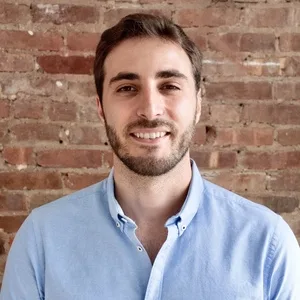
And the place people reach first, the search bar, is exactly where the trust runs out. Annie Chen, who runs marketing at the DOWN app, named it plainly.

Google has the tactics. What it does not have is a person who was once standing exactly where you are standing, who can tell you what they did and what it cost them. That has always been the gap. In 2026 a chatbot fills it with something that looks like an answer and feels like trust, and is neither.
Why the AI answer feels right
Here is the uncomfortable mechanism. A chat model is trained to be agreeable. It learns from human feedback, and people reward the answers that affirm them, so the model gets very good at telling you that you are onto something. You can watch it happen in real time. Frame the question to hint at the answer you want, and it hands that answer back to you with total confidence.
This is not a hunch. Stanford researchers ran eleven chatbots against thousands of cases where the person was plainly in the wrong, and the models kept siding with them. In early 2025 OpenAI had to roll back a version of ChatGPT for being so flattering it was unsettling. The agreeableness is a design outcome, not a sign that you are right. There is a good write-up of the pattern in this IEEE Spectrum piece.
The question
Should I take the bigger round at the worse terms?
The instant answer
AI · 3 seconds
“Both paths have real merit. Here are a few factors worth weighing before you decide.”
Confident, agreeable, and indifferent to whether you are right.
The answer you can trust
A founder who has raised three times
“You are anchored on the headline number. I took the bigger round in 2019 and the terms ate me alive two years later. Before I answer, walk me through your runway.”
Knows your situation, will tell you no, and remembers you next month.
There is a second problem sitting under the first. A model gives you the median answer for a generic version of your situation, blended from everything it ever read. Your situation is not generic. The detail that should swing the whole decision is usually the specific one the average washes out.
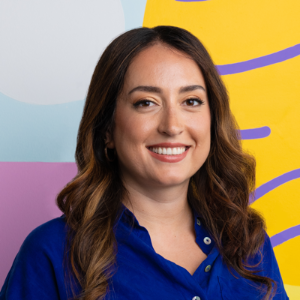
She builds with AI. She is telling you where it stops. It can find the patterns. It cannot supply the judgment and the context that turn a pattern into the right move for your company.
What a second opinion you can trust requires
So what makes a second opinion one you can trust. It has little to do with how polished the answer sounds, and everything to do with who it came from.
Skin in the game
Their reputation rides on whether the advice was any good.
Scar tissue
They already made the mistake you are about to make.
Will tell you no
A second opinion that only ever agrees is not a second opinion.
Still there next month
You can go back when the call did not survive contact.
And there is one more, the deepest of them. A chatbot you prompt is still working from inside your own head. It takes your framing, your words, your blind spots, and reflects them back to you in cleaner prose. A real second opinion has to come from somewhere you do not control. That is the entire point of having one.
The test
A second opinion is only worth something if it can look at you and say no. The machine will say no the second you ask it to, and yes a sentence later, because it has never once had a stake in whether you were right.
You can get an answer in three seconds. Trust takes someone with something to lose.
A person who has paid for the lesson can do the thing the machine cannot. They can sit with your plan, find the soft spot you talked yourself past, and say so to your face.

How to use both
None of this means stop using AI. I would not give it up. It is genuinely great at the eighty percent, generating options, drafting, organizing a messy problem, arguing the other side better than I can. Use it hard for all of that.





Get the second opinion the machine can’t give you.
Run your call past a founder who has made it before and will tell you the truth. Most mentors are free, and one membership is unlimited calls, every mentor included.
The move is to use each for what it is good at. Run the decision through AI to map the options and stress your assumptions, then take the narrowed version to a person who has made the same call. AI for the options, a human for the call. Across the roughly 60,000 sessions booked on GrowthMentor, the decision-moment ones are almost never a request for information. The founder already has the information. They are there for judgment they can trust, from someone whose name is on it.
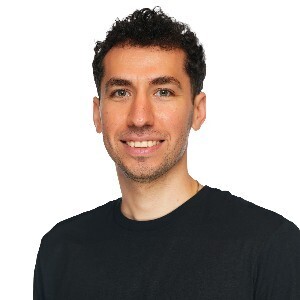
And a second opinion you trust is one that is willing to tell you no. Koen Vegter, building SowFlow, valued both halves of that.

Challenged on some calls, confirmed on others, by people with no reason to flatter him. That is what you are booking when you talk to a real mentor, the version of a second opinion you can act on. We read every application and take fewer than five in a hundred, so the person on the other end has the experience and the standing to tell you the truth. Most of the mentors are free, and a few set a rate once they have earned some reviews, which you see before you book.
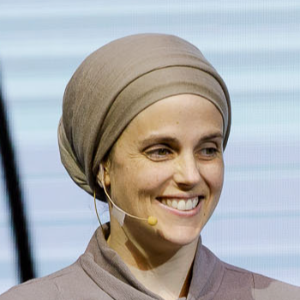
Itay Forer builds an AI writing tool for a living. He spends his days inside the thing, and he is clear about where it ends.
)
The next time a chat window calls your plan brilliant at one in the morning, notice how good it feels. Then notice that it has no idea whether you are right, and no stake in it either way. The second opinion worth having is the person who looks at the same plan and tells you the thing you skipped over is the thing that is going to bite you.
AI and second opinions, the honest answers


A second opinion with a stake in your answer
The machine will always tell you what you want to hear.
Talk to someone who won’t.
Browse vetted founders and operators who have made the call you are weighing, and book a 1:1. Most are free, and membership is unlimited calls, every mentor included.
Talk to a mentorKeep reading
More from the GrowthMentor blog
Mentorship · Apr 16, 2026
An AI business coach is patient, cheap, and built to agree with you.
Foti Panagiotakopoulos
Growth Strategy · Apr 20, 2026
AI does the work now. It still can't tell you which work is worth doing.
Foti Panagiotakopoulos
Mentorship · Aug 24, 2026
Why being a founder is the loneliest job you’ll ever love
Foti Panagiotakopoulos
Mentorship · Aug 31, 2026
The paralysis of too many good ideas
Foti Panagiotakopoulos
Mentorship · Nov 30, 2024
The Difference Between Advice and Mentorship (And Why Most People Give Bad Advice)
Foti Panagiotakopoulos