Being a founder is lonely because you are the only person who has to make the final call, and the three groups who could help you carry it are the three you can least be honest with. You cannot show fear to your team, doubt to your investors, or the full weight to your family. So the hardest part of the job stays in one head. Yours.
I know the feeling from the inside. Before any of this I ran growth at a hosting company in Athens, with the title and the budget and not one person in the building who lay awake at night about the same things I did.
That professional loneliness is the reason GrowthMentor exists. I built it to scratch my own itch, and it turned out a lot of other founders had the same one.
That is the loneliest work I have ever done. I would still not trade it for anything. Both of those are true at once, and almost every founder I talk to feels the same way.
You are the only one who decides
The loneliness is not a personal failing, it is built into the job. You can hire brilliant people, you can have a co-founder you trust, and at the end of the week the call that matters still has one name on it.
And the people who could lighten the load are the ones you have to keep a face on for. Walk through them one by one, and watch the doors close.
The five people you can’t say it to
Your team
Say how close we are to the edge and they start polishing their CVs.
Your investors
Every update is a performance. Doubt reads as a bad bet.
Your co-founder
You are both performing confidence for each other.
Your family
They hear the fear as a threat to the mortgage, so you spare them.
Your friends
They are proud of the founder. They have never met the 2am version.
None of those people are the problem. They love you, they believe in you, and not one of them can hold the true version of what you are carrying without it costing you something.
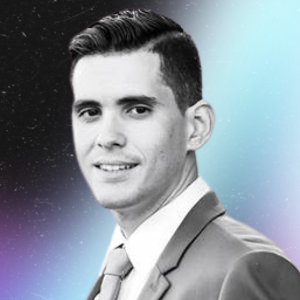
So you stop handing it over. You learn to sit in your office with the hard part and let everyone think you have it handled. Majd Alaily, a solo founder building a media company in the Middle East, told us about the exact moment.
Reading more does not fix that. The work needs a person, someone who knows the topic inside out and can hear the whole problem, not the version you perform for everyone else.
It gets lonelier as you grow
Here is the part nobody warns you about. It does not ease off once you start to win.
Every round you raise adds people who need you to be certain. Every hire adds someone whose rent rides on your judgment. The day you close the round is the day you can least afford to look scared in the all-hands.
Growth solves the runway problem and deepens the other one. And the longer you carry it by yourself, the more it bends how you see your own work, until you can no longer tell a real problem from a 3am one.
It is not that founders have no one. Most have plenty of people. Kenny Yeung, who founded Fittechspace, put his finger on why none of them helped.

The obvious fix is a co-founder, and it does help, and plenty of founders are just as alone inside a partnership, performing confidence for each other while the company wobbles. If you are weighing that move, I wrote about how to find a co-founder who genuinely shares the load. And if it stays just you, with no partner to split any of it, that has a particular weight of its own, the one I get into in solo founder, solo everything.
What founders book a call for
I have a strange vantage on this. GrowthMentor has put more than 750 mentors in front of founders for around 60,000 sessions, and I get to see the patterns that run underneath all of them.
Here is the one that surprised me. Founders rarely book a call for a strategy. They could find a strategy anywhere. What they are short on is one safe person to say the real thing to.
1 in 7
Across thousands of mentor sessions, roughly one in seven of everything founders bring is some form of carrying it alone, the overwhelm of being the only one holding it. Only about one in seventy-five ever says the word lonely out loud.
Patterns across GrowthMentor sessions
Most of the time it does not even arrive as loneliness. It arrives as overwhelm, as too much to do and no one to share it with, as a creeping suspicion that everyone else has it figured out. The word lonely barely comes up. The feeling underneath it is everywhere.
When it shows up as drowning in work instead, I wrote about that in the overwhelmed founder. The root under the overwhelm is usually the same one. You are the only one holding it.
So the thing founders come for at 2am is smaller and harder than advice.
What they come for
The thing founders book a call for at 2am is a witness. One person who has sat where they are sitting, and will not flinch when they say the scary part out loud.
Someone outside your own head who already knows the weight, and has no stake in what you decide.
That is the whole relief, finally letting another person hold what you have been carrying by yourself.

Why you’ll love it anyway
So why stay inside a job this isolating.
Because the thing that makes it lonely is the same thing you would never give back. You own the call. You point the whole thing. I am an ENFP who spent a decade cosplaying as an introvert, and I would still not go back to a job where someone else owned the decision.
And the job is not only weight. The most common feelings founders bring are not all the heavy ones, there is the high of an idea that finally clicks, the pride of having come further than anyone expected. Lonely and the most alive you have ever been, often in the same hour. That is the deal you signed.
What helps
None of this resolves with a motivational quote, so here is what I have watched move it for real.
Find a peer a step or two ahead, someone in a founder community living the same week you are. Put a standing call on the calendar so talking it through is not a thing you only do in a crisis, which is the whole idea behind a mastermind group. Build a small board of people with no stake in your company. And if the weight has tipped into something heavier, find a therapist who works with founders, because a mentor is not a stand-in for that.





You do not have to carry the lonely part alone.
Talk to a founder who has already sat where you are sitting. Most mentors are free, and one membership is unlimited calls, every mentor included.
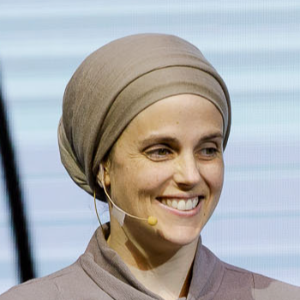
What it feels like once you have it is hard to describe until it happens. Natasha Mina, who runs marketing at an ed-tech startup, said it plainly.
That is the thing I was trying to build. A place where the person carrying it alone can find someone who has carried the same thing. Most of the mentors are free, and some set a rate once they have earned a few reviews, which you see before you book, so there is never a surprise. The pitch is just access, talk to as many of them as you need.
Somewhere a founder is awake right now with a problem they have not said out loud to anyone. The fix is smaller than it sounds. One person on a call who is not asleep, and is not scared of the true version. Book that.
Founder loneliness, the honest answers


Founders who have been there
You just read the part no one says out loud.
Now say it to someone who gets it.
Browse vetted founders and operators who have sat exactly where you are sitting, and book a 1:1. Most are free, and membership is unlimited calls, every mentor included.
Talk to a mentorKeep reading
More from the GrowthMentor blog
Mentorship · Apr 27, 2026
Founder impostor syndrome: why the most capable people feel the least qualified
Foti Panagiotakopoulos
Leadership · Jul 23, 2022
Overwhelmed Startup Founder: Coping With Stress and Burnout
Foti Panagiotakopoulos
Mentorship · Feb 18, 2026
The best founder communities in 2026. And the one room none of them can be.
Foti Panagiotakopoulos
Mentorship · Feb 15, 2026
18 best mastermind groups for entrepreneurs. What they cost, who they're for, and how to choose.
Foti Panagiotakopoulos
Startups · Apr 09, 2026
The best place to meet a co-founder isn't a co-founder dating app.
Foti Panagiotakopoulos