When your startup is running out of money, get exact on the number before you make a single decision. Not a rough feel, the real figure, how many weeks you have left. Vague dread has no fix, a specific number does. Then you work three moves at once, cut the burn, push on revenue, and start the conversations you have been avoiding. Raising or selling are real options, just never from panic.
The spreadsheet is the easy part. The hard part, the part nobody warns you about, is keeping your judgment while the clock runs.
I learned that the expensive way.
In early 2019 GrowthMentor was a few months old and pre-revenue, and I had about $5,000 left to my name. Not in the company account, my personal savings. That was the whole runway.
I spent all of it flying to San Francisco to exhibit at Startup Grind, on a bet that I would walk out with funding.

I did not raise a cent. What I did find out is that the fundraising process was the most miserable stretch of my working life, and that I would do almost anything to not build the company that way.
So there I was a month later, broke, two months behind on rent in Athens, out of the one plan I had.
And that is when I made the best decision in the company’s history. With no money left and no round coming, I finally sat down and worked out how GrowthMentor would make money. I pivoted it from a marketplace into a membership. We have been bootstrapped and profitable ever since.
I did not find that pivot when I had options. I found it when I had run out of them.
That is the strange thing about running low on money. The fear can wreck your judgment right when you need it most, and once in a while it is the only thing that clears it. This post is about both halves, what the fear does to you, and how you get your head back.
Why this fear is different
Every other fear in a startup is open-ended. Will the product work, will the hire pan out, will the market care. They sit out there with no deadline.
Running out of money is the one fear with a date on it. You can open a spreadsheet and calculate the week it happens, and that specificity is what makes it land in your body differently from everything else.
It is a different animal from the general overwhelm of building, which I wrote about in the overwhelmed founder. Overwhelm is chronic and has no edges. This one has a countdown.
What the number feels like from the inside
Six months out
You are mostly thinking about the product.
Three months out
You check the balance before coffee. Every morning.
Six weeks out
Every expense is a question you argue with yourself about.
Two weeks out
You plan for failure and present for growth in the same afternoon.
And it happens to real founders all the time, including the ones who go on to win. Andrew McBurney now runs a profitable software company with around 80 paying customers. Before that, he had a hole to climb out of.

The fear is real, and feeling it does not mean you are doing anything wrong. What matters is what you do with it, because left alone the fear starts making your decisions for you.
What the fear does to your judgment
Here is the part the cut-costs-and-raise checklists skip. A short runway does something to a founder’s head, and most advice acts like it does not.
Three things tend to happen, and they happen to everyone. They are not a character flaw, they are what the pressure does to a normal brain.
You start taking every meeting. The bad bridge round at a brutal valuation begins to look reasonable, because desperation is a smell and the people across the table can read it on you.
You hold on to the thing that is not working. Cutting it would mean admitting it failed, so you keep funding it past the point you should, right when you can least afford to.
And you pull away from your own team at the exact moment you need their heads in the room. You are protecting them from the fear, and protecting yourself from having to say it out loud.
If you are already carrying impostor syndrome, a low balance reads as proof. The fear was already there. Now it has a number to point at.
It wears on you in a way that is hard to explain to anyone who has not sat in it. Vas Daskalakis, who took a startup from zero to a million in revenue, described the daily version of it.

That is the loop a short runway puts you in. The numbers feed the fear, the fear bends the numbers, and around it goes.
The fear under the number
The runway is a number on a spreadsheet. What it does to you is something else entirely.
Founders who have been at zero and come back say the same thing. The money was the smaller problem. What they were telling themselves about what it meant, that one took longer to fix.
What thousands of sessions show
I have a strange seat for watching this. GrowthMentor has put more than 750 mentors in front of founders for around 60,000 sessions, and I get to see the patterns that run under all of them.
Money fear is one of the most common things founders bring. It is not the loudest thing in the room, it is usually the thing sitting underneath the loudest thing.
And most of the time it does not arrive as I am scared about money. It arrives as a tactical question, how do I fix my pricing, what channel should I try, and the real thing only surfaces halfway through the call. The spreadsheet question is often a cover for the one underneath it, am I going to be okay.

Who to take it to
So who do you take this to.
The instinct is to turn to the people closest to the company, and they are mostly the wrong ones for this particular job.
Your investors are managing a portfolio, your fear is a line in their week, not their life. Your team cannot carry it, the moment they sense the edge they start updating their CVs. Your family loves you and hears the fear as a threat to the mortgage, so you spare them the worst of it.
The person who helps has sat exactly where you are sitting. Someone who has been down to the last month of runway and come out the other side, who has nothing to gain from how you decide, and will tell you the true thing instead of the comfortable one. That is its own kind of loneliness, having plenty of people and not one of them being the right one for this.
When you do get that person on a call, three moves tend to fall out of it.
Three moves when the runway is short
Separate the real problem from the 3am one
Fear compresses time. Most decisions that feel like they cannot wait until morning can.
Say the number out loud to one person with no stake in it
Not your co-founder, not your investors. Someone who has been at zero and lived, and loses nothing by telling you the truth.
Make one decision, not every decision
A short runway floods you with choices. One clear next move beats a full reinvention you do not have two weeks to run.
None of those three needs a genius. They need one person outside your own head who has run the same gauntlet and is not scared of the real number.





Say the real number to someone who has been there.
Talk to a founder or operator who has run out of runway and come back, before the fear starts running your decisions. Most mentors are free, and one membership is unlimited calls, every mentor included.
Getting your head back
The practical moves are not a secret. Cut the burn to the bone, even the line items that feel like part of your identity.
Then find the costs that never show up as a line item. If you pay contractors or suppliers abroad, wire charges and FX spreads skim a few percent off every invoice, and cash stuck in transit for three days is cash you cannot use. For a startup based in Singapore, cross-border payments for businesses that settle in minutes, in fiat or stablecoins, win back a slice of the runway you have left.
Go to your best customers and have the honest conversation about paying earlier, or for more. If raising is on the table, learn what the terms mean before you sign anything from a position of need.
What is harder, and what decides how well any of those go, is the state of mind you make them in. A clear head cuts the costs that should go and protects the ones keeping the company alive. Panic tends to do it backwards.
For the heavier version of this, where the fear has stopped being about the company and started being about you, a mentor is not the right tool. A therapist who works with founders is built for the am-I-a-failure layer. A mentor is for the decision in front of you, whether to bridge, cut, or pivot. Most founders in a cash crunch need both, and the relief starts with knowing which is which.
David Kelly has run more than 150 of these calls. He told me the urgent ones are rarely about tactics at all.

That letting go is the thing I wish more founders reached for before the last month, not during it. The call does not magic up money. It gives you back the head you need to go find it.
My own version ended at a registration desk in San Francisco with an empty account and a worse mood. The pivot that saved the company did not come from the trip. It came from the week after, when there was no plan left to hide behind and I finally had to think clearly.
If you are in that week right now, the number on your screen is not the whole story. Find one person who has been to zero and back, say the real figure out loud, and let them help you find the move you cannot see from inside the fear.
Running out of money, the honest answers



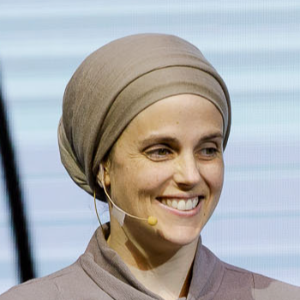
Founders who have been at zero and back
The number is only half the problem.
Find someone who knows both halves.
Browse vetted founders and operators who have navigated a short runway and book a 1:1. Most mentors are free, and one membership is unlimited calls, every mentor included.
Talk to a mentorKeep reading
More from the GrowthMentor blog
Leadership · Jul 23, 2022
Overwhelmed Startup Founder: Coping With Stress and Burnout
Foti Panagiotakopoulos
Mentorship · Aug 24, 2026
Why being a founder is the loneliest job you’ll ever love
Foti Panagiotakopoulos
Mentorship · Apr 27, 2026
Founder impostor syndrome: why the most capable people feel the least qualified
Foti Panagiotakopoulos
Fundraising · May 21, 2026
Every fundraising term is a scar. Someone got burned, and the term is what protects you.
Foti Panagiotakopoulos
Leadership · Jul 23, 2022
Therapy for startup founders. And the loneliness underneath the business problem.
Foti Panagiotakopoulos