Good ideas are harder to choose between than bad ones, because every one is plausible enough to feel like the right call. What freezes you is the loss. Picking one means killing the others, and the better your options, the more each no costs you. So you keep all of them alive and commit to none.
I know this one too well. I run GrowthMentor and a handful of other brands, and my laptop holds a folder of half-built playgrounds, each one a real direction I could take seriously. None of them are bad. That is exactly the problem.
There is a broader version of this, the general overwhelm of having too many options at all. This is the narrower and meaner case, the one where every option in front of you is genuinely good.
Why good ideas paralyze
I can choose between a good idea and a bad one in about a second. It is two good ideas that keep me up at night.
A bad option rules itself out. A good one does not, so you are left holding several plausible futures at once, and committing to any single one means walking away from the rest. Every yes is a no to something real. That is what makes it heavy.
The forks that paralyze are almost never good against bad, they are good against good. B2B or B2C. The agency or the product. Double down on what already works or chase the bigger thing. Both roads lead somewhere real, and picking one closes the other for good.
Most founders carry this around until they finally say it all out loud to someone. Andrew McBurney, building Review Robin, did exactly that on his first mentor call.
Cut out 99%. Every one of those ideas might have worked. Keeping all of them open at once was the thing holding him still.
The cost of staying optionable
There is a story founders tell themselves that keeping every option open is the smart, flexible move. Hold it all loosely, stay ready to pounce, do not commit too early.
The most expensive thing you can do is keep all of them open. Spread yourself across three good ideas and none of them gets the depth that turns an idea into traction. Nothing compounds, because nothing is finished.
Pick one
The other four are not wrong. They are just not now.
Almost every founder I talk to is some version of that picture. One direction that deserves their whole weight, and four more they cannot bring themselves to switch off.
It does not show up as nothing getting done. It shows up as a lot of things getting started. A pile of forty-percent-finished projects, all promising, none shipped.
What a year of this looks like
The B2B pivot, scoped, never started
The content engine, eight drafts
The second product, a Figma file
The partnership, three intro calls
The rebrand, a moodboard
Optionality feels like progress until you notice none of the bars reach the end.
And the next idea always looks cleaner than the one in front of you, because the one in front of you has bills and bugs and a hard middle, while the new one is still pure. So you switch. Then you switch again.
What founders book a call to do
I get a strange read on this. Across more than 750 mentors and around 60,000 sessions, I see what founders bring once the door is closed. A large share of those calls are the same picture, a founder with three good directions who needs help killing two.
Here is the uncomfortable part for a company that sells access to mentors. More input is usually the accelerant. Every conversation, every podcast, every clever thread hands you another path you now cannot rule out. What breaks the spin is subtraction, someone who helps you drop six of the seven so the last one gets all of you.
Because the arithmetic underneath is brutal, and most founders never sit down and actually do it.
The real cost
You can have any of these ideas. You just cannot have all of them. Spend a year keeping every option open and you reach the end of it with a year of optionality and nothing that grew, while the one you would have chosen is already twelve months old.
Optionality feels like progress, right up until you count the year.
Read that and the move gets obvious, you let the good ones go so one of them can become real. The mentors here spend a surprising amount of their time on exactly this. Dimitris Farmakis put it well.

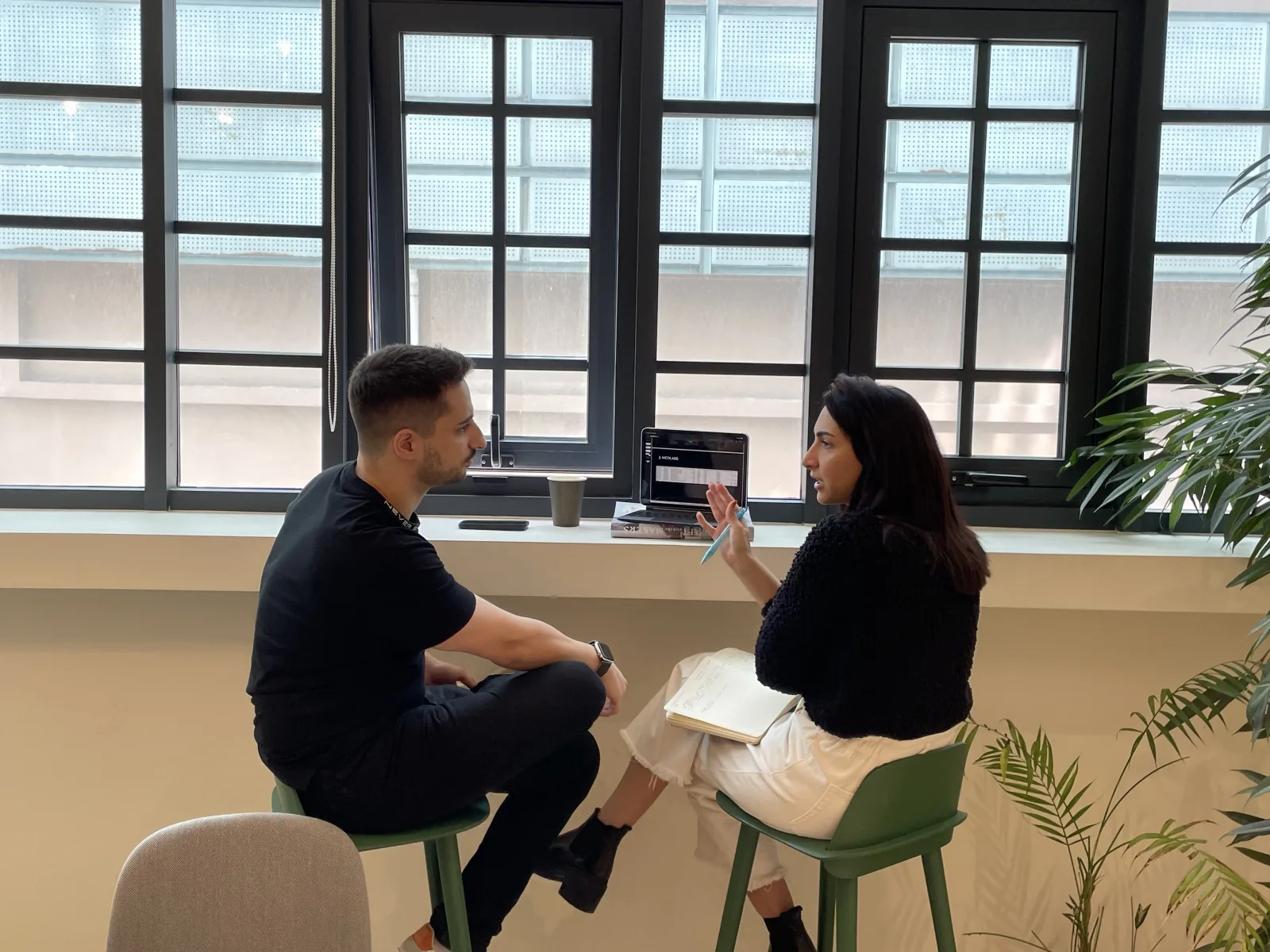
Cut through the noise and feel confident about what to leave behind. That is the real work, and it looks nothing like brainstorming. It looks like two people on stools, heads down on one screen, narrowing instead of expanding.
What helps
So here is what I have watched work, past waiting for the obvious winner to announce itself, which it rarely does.
Pick the one you would most regret never trying, set a date, and close the other tabs until it ships. Most of these calls are reversible, so committing to a good idea you can walk back beats committing to none. If you want the scoring mechanics, there are frameworks for that, though a score ranks options, it will not hand you the nerve to kill a good one. When two paths are genuinely tied, the tiebreaker is conviction, and someone a step ahead can give you that faster than another spreadsheet. Then go test the one you picked before you bet a year on it.





The quickest way to pick is to argue it out loud with someone who already chose.
Talk to a founder who killed four good ideas to commit to one. Most mentors are free, and one membership is unlimited calls, every mentor included.
The relief on the other side is real and specific. It is the calm of finally having one direction instead of seven. Arash Ghaemi, who will happily tell you he has a million ideas, found it.
That is what I keep trying to build. A place where a founder with seven good ideas can find someone who has run the same fork and will help them cut six without flinching. Most of the mentors are free, and a few set a rate once they have earned some reviews, which you see before you book. You are paying for the person across the table, not for another idea. The ones who have been all the way through it are blunt about how hard the saying-no part stays. David Kelly has run more than 150 sessions here, with millions in revenue behind him.

It never fully goes away, you just get better at saying no. Tonight there is a browser open somewhere with eleven tabs, all of them good, and the smallest brave thing the person in front of it can do is close nine of them.
Too many good ideas, the honest answers



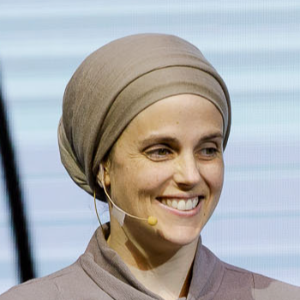
Founders who had to choose
Every founder you admire killed good ideas to get there.
Talk to one before you pick.
Browse vetted founders and operators who have stood in front of five good options and committed to one, and book a 1:1. Most are free, and membership is unlimited calls, every mentor included.
Talk to a mentorKeep reading
More from the GrowthMentor blog
Mentorship · May 10, 2026
Why founders get stuck with too many options, not too few
Foti Panagiotakopoulos
Mentorship · Apr 27, 2026
Founder impostor syndrome: why the most capable people feel the least qualified
Foti Panagiotakopoulos
Mentorship · Aug 24, 2026
Why being a founder is the loneliest job you’ll ever love
Foti Panagiotakopoulos
Product Management · May 15, 2026
ICE, RICE, Kano: the score is theater. The argument it forces is the real output.
Foti Panagiotakopoulos
Startups · Jul 07, 2026
You have an idea and nothing else. Here's what to do first.
Foti Panagiotakopoulos