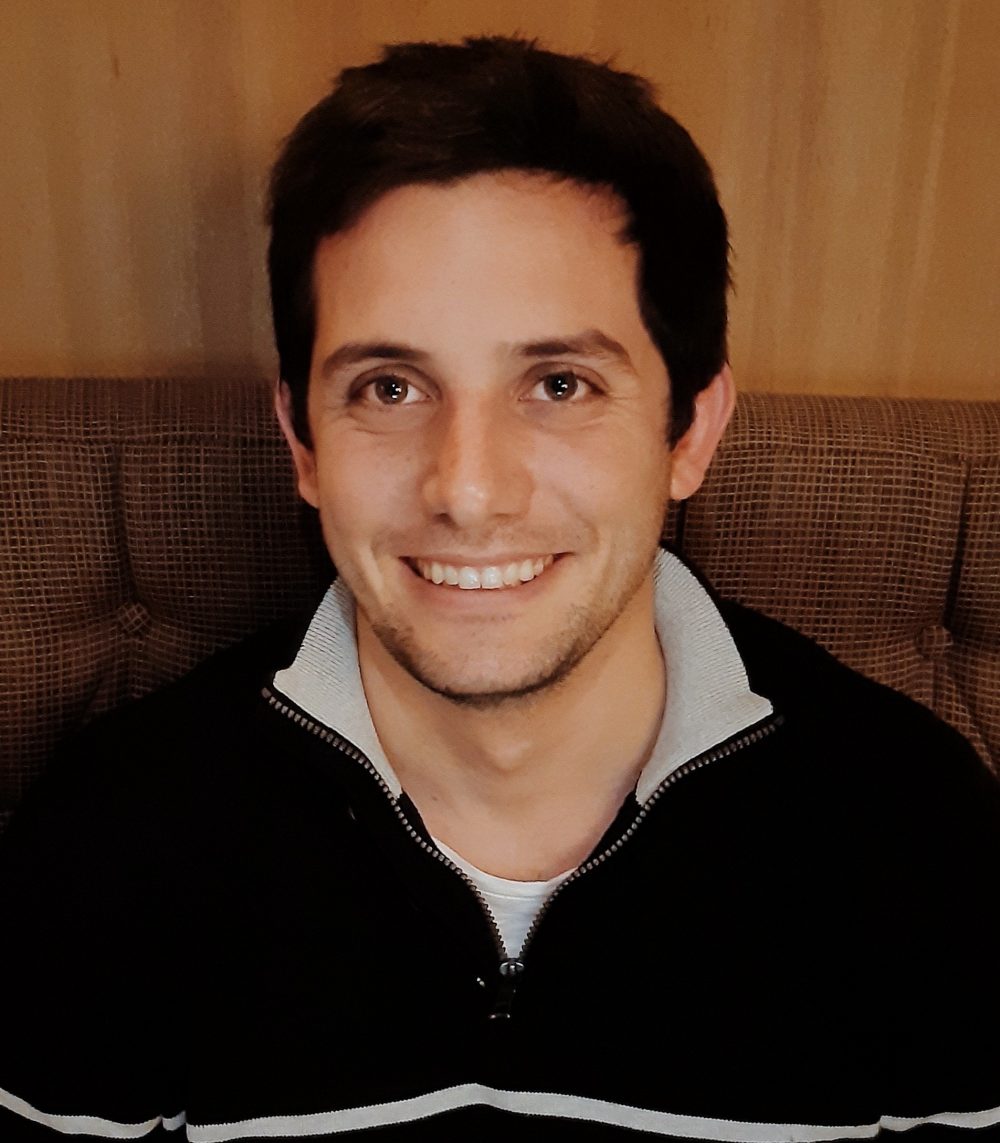
On paper it was the best year of my life. I had made more money than I ever had, hit every financial target I had ever set, and I felt nothing. I had been swallowed by work since before I started GrowthMentor, and at some point hitting the numbers had stopped meaning anything. When work was not enough to fill the gap, I reached for whatever else might, too many hours, too much weed, the usual ways of avoiding your own company.
Before all of it, the life I had built outside of work had come apart too. Within a week I had packed it up, said the goodbyes, and gotten on a plane to France.
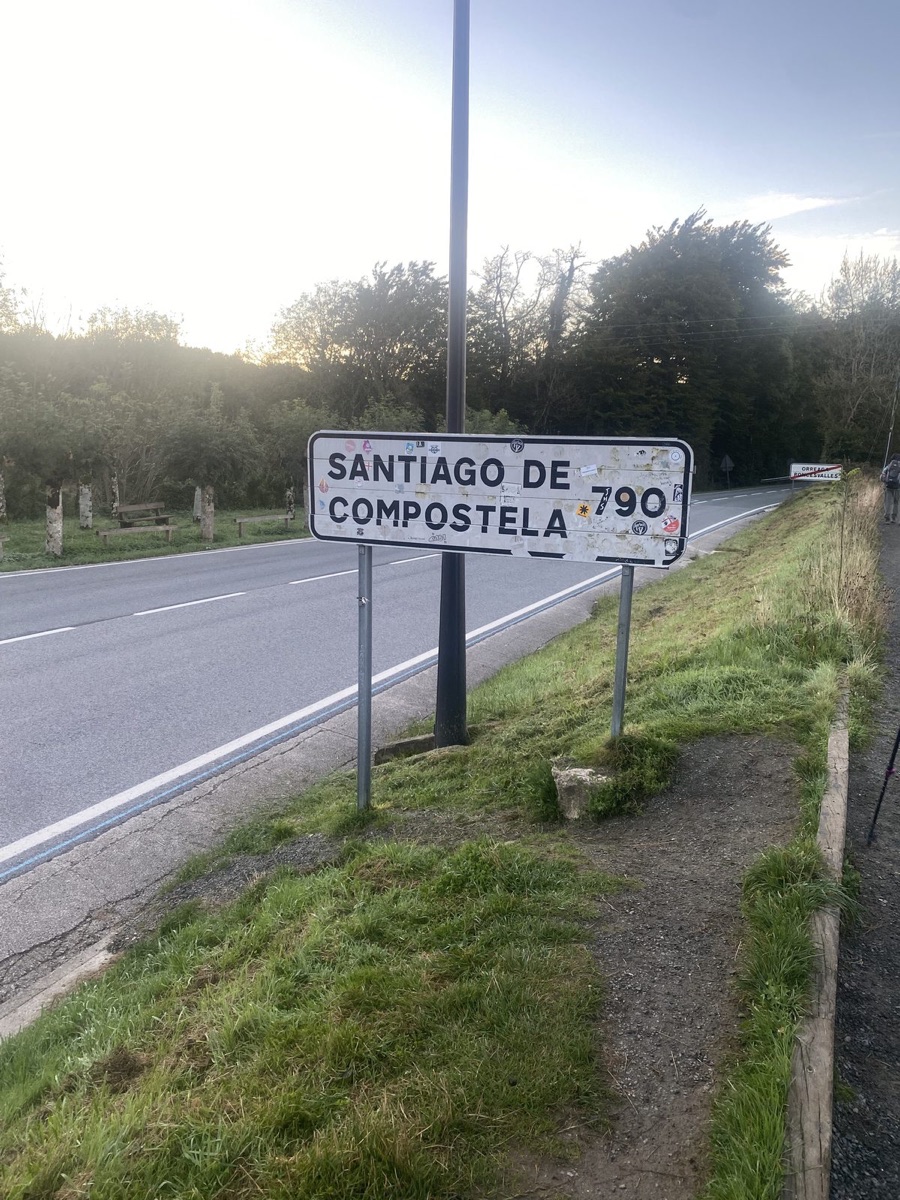
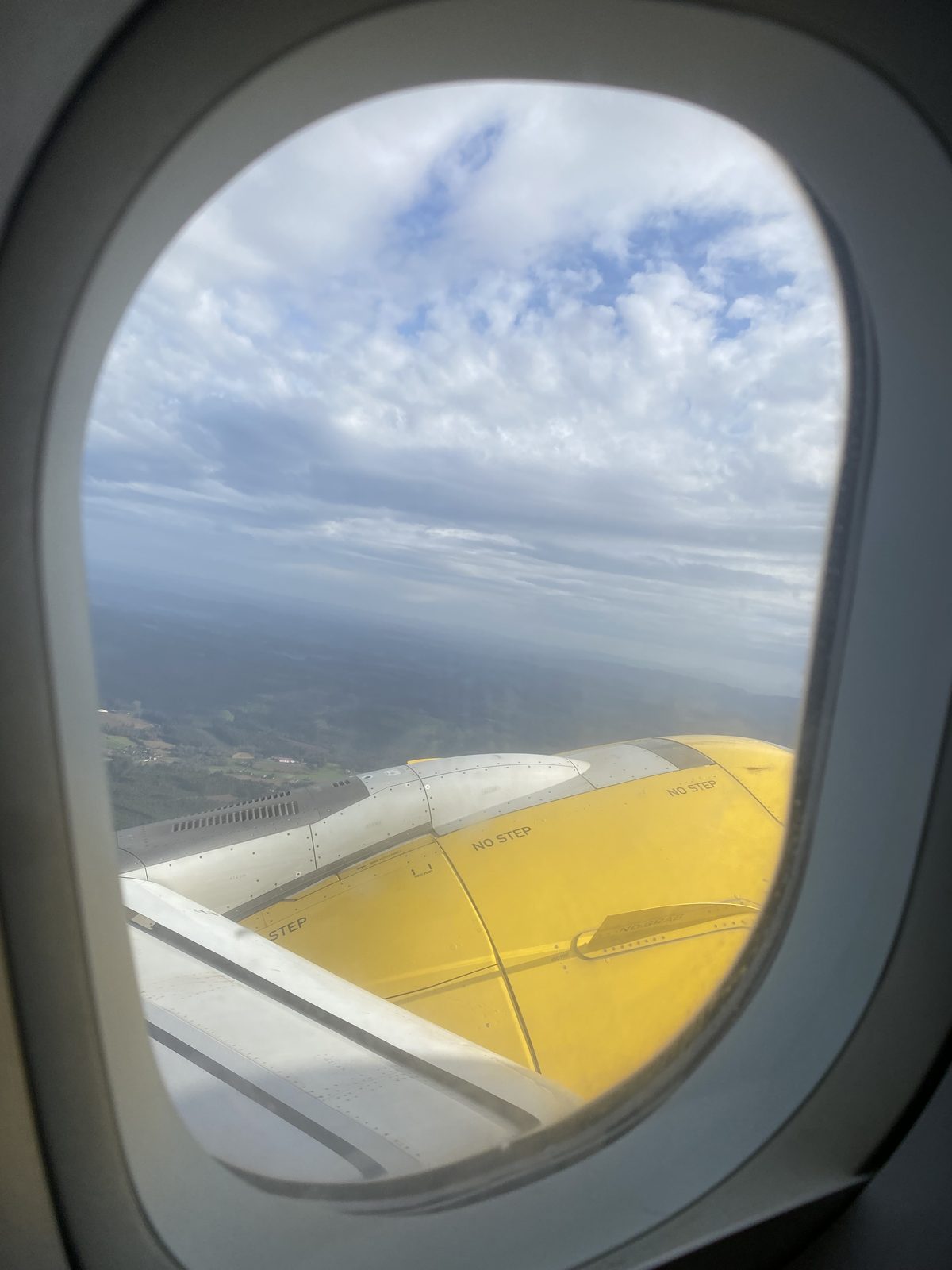
On the way out I stopped at a Walgreens and bought a tube of Neosporin, the kind with the painkiller mixed in, on a hunch I would need it. Then I flew to a small town in the French Pyrenees called Saint-Jean-Pied-de-Port, where this whole walk begins, and the next morning I started climbing.
Day One: 760 Kilometers to Go
The night before, in a pilgrim hostel in Saint-Jean, I walked into the shared room and every instinct I had said run. Get a private room, whatever it costs. The place reeked of other people's socks and boots and feet. I stayed. The first person I talked to was a Dutch woman halfway through a three thousand kilometer walk that would take her four or five months, sleeping outside on her own most nights. She was, by any normal measure, a little strange, and I liked her immediately. I fell asleep looking forward to more people like her.
If you have never done it, the first day of the Camino Frances is the hardest day of the entire route. You go straight up and over the Pyrenees, France on one side, Spain on the other, about 1,400 meters of climbing and then all of it back down. Most people train for months. I had trained for nothing. I just showed up and started walking.
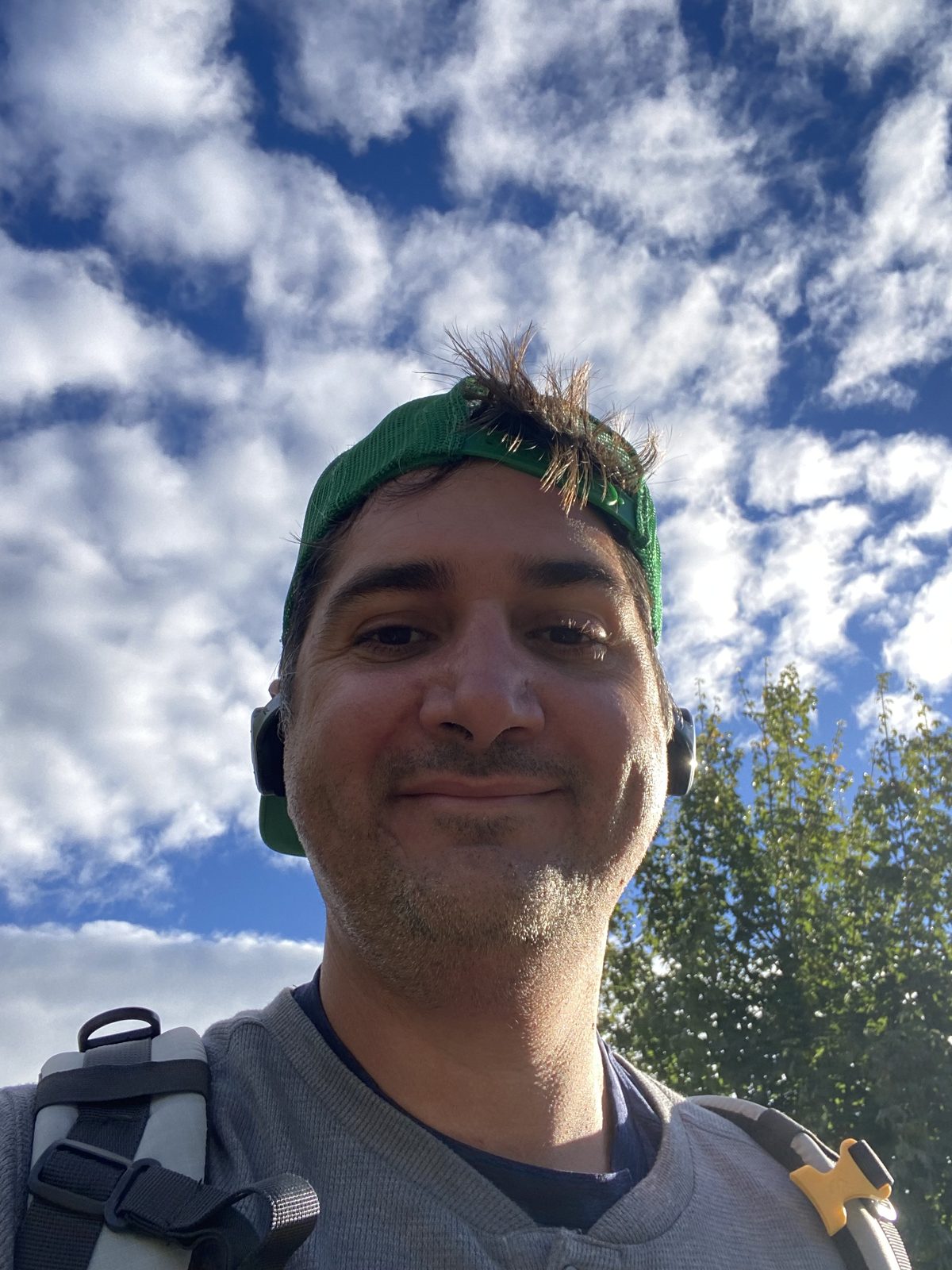
I felt incredible, light, stupidly optimistic, like a man who had finally figured something out.
Twenty-five kilometers, it turns out, is no joke. It might not even have been that bad if the last ten of them had not turned into a slow and undignified lesson in chafing, a severe case of what runners politely call monkey butt. That first night I lay in a bunk, showered, a bag of chips torn open beside me, working the Neosporin into the damage and reconsidering every decision that had led me there.
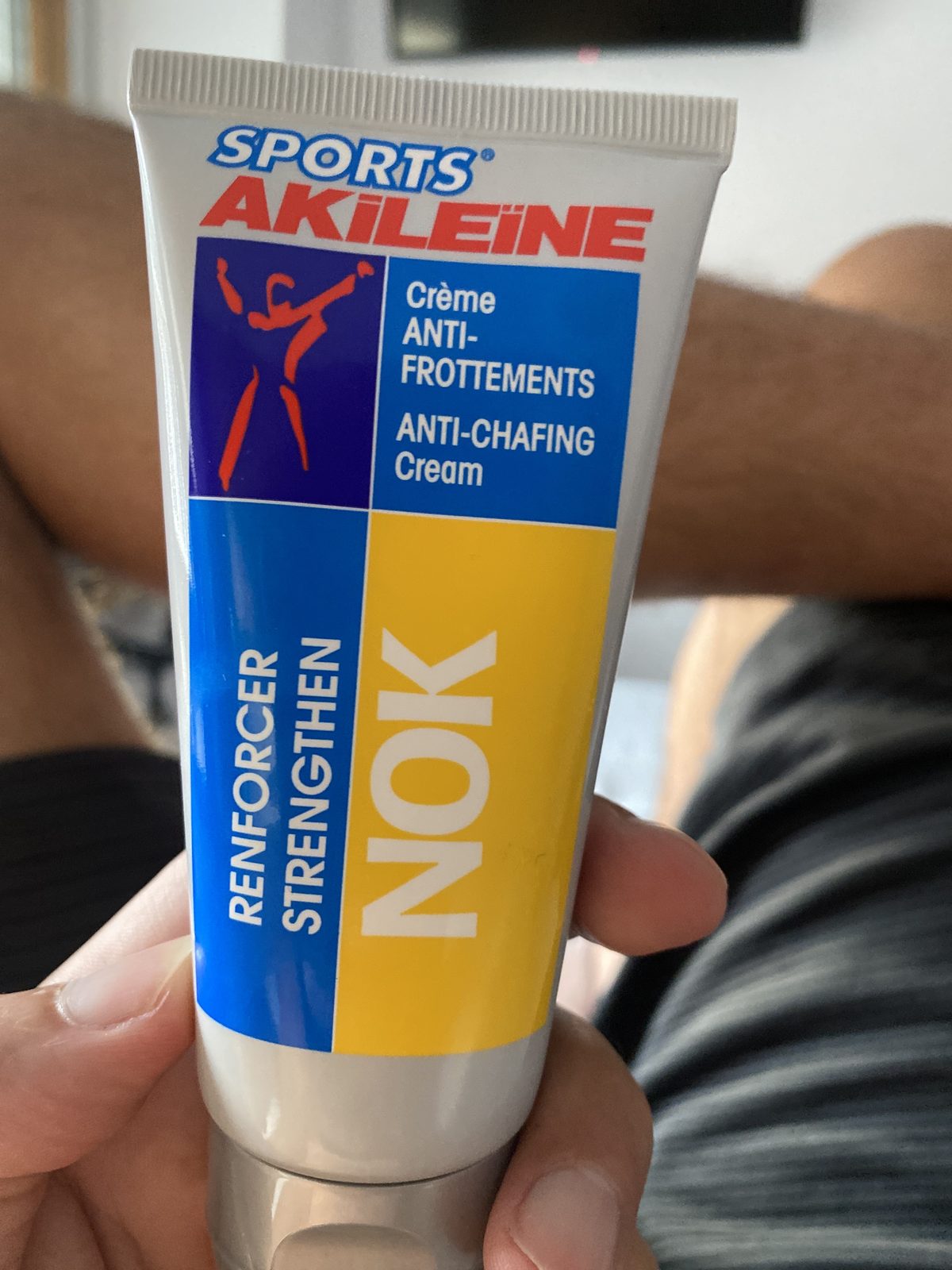
In the next town with a pharmacy I bought a tube of anti-chafing cream, AKILEINE NOK, and for the next nine hundred kilometers I guarded it like a sacred object.
The Descent
Nobody warns you about the down. Up is just lungs and legs. Down, hour after hour on a steep rocky path with a loaded pack pulling on your back, is where the body breaks. Somewhere on the long drop into a village called Zubiri, my right knee went.
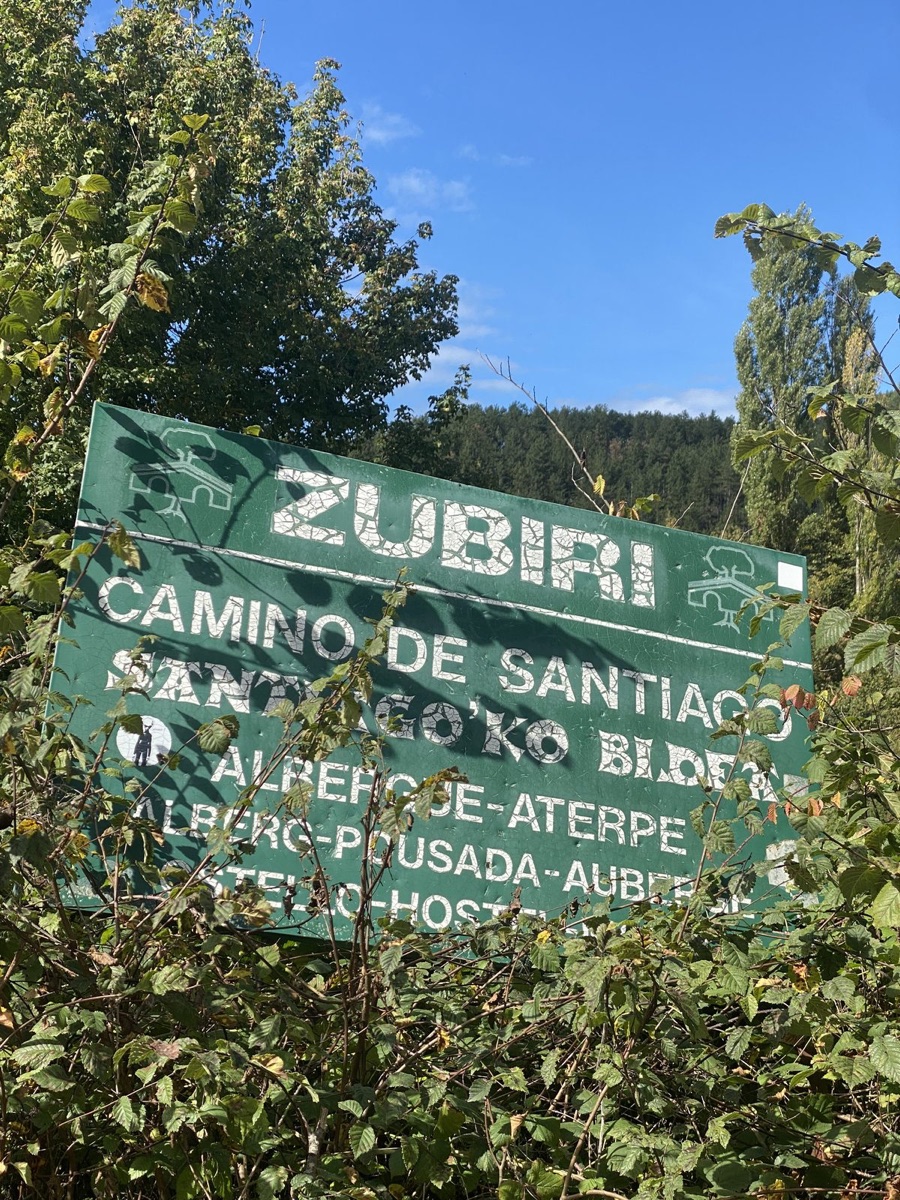
I kept walking on it anyway, to Pamplona the next day, slower, then on toward Puente la Reina, where the pain stopped being something I could push through. I went looking for a doctor and could not find one. I spent two nights icing it in cafes, waiting for it to settle. It would not settle.
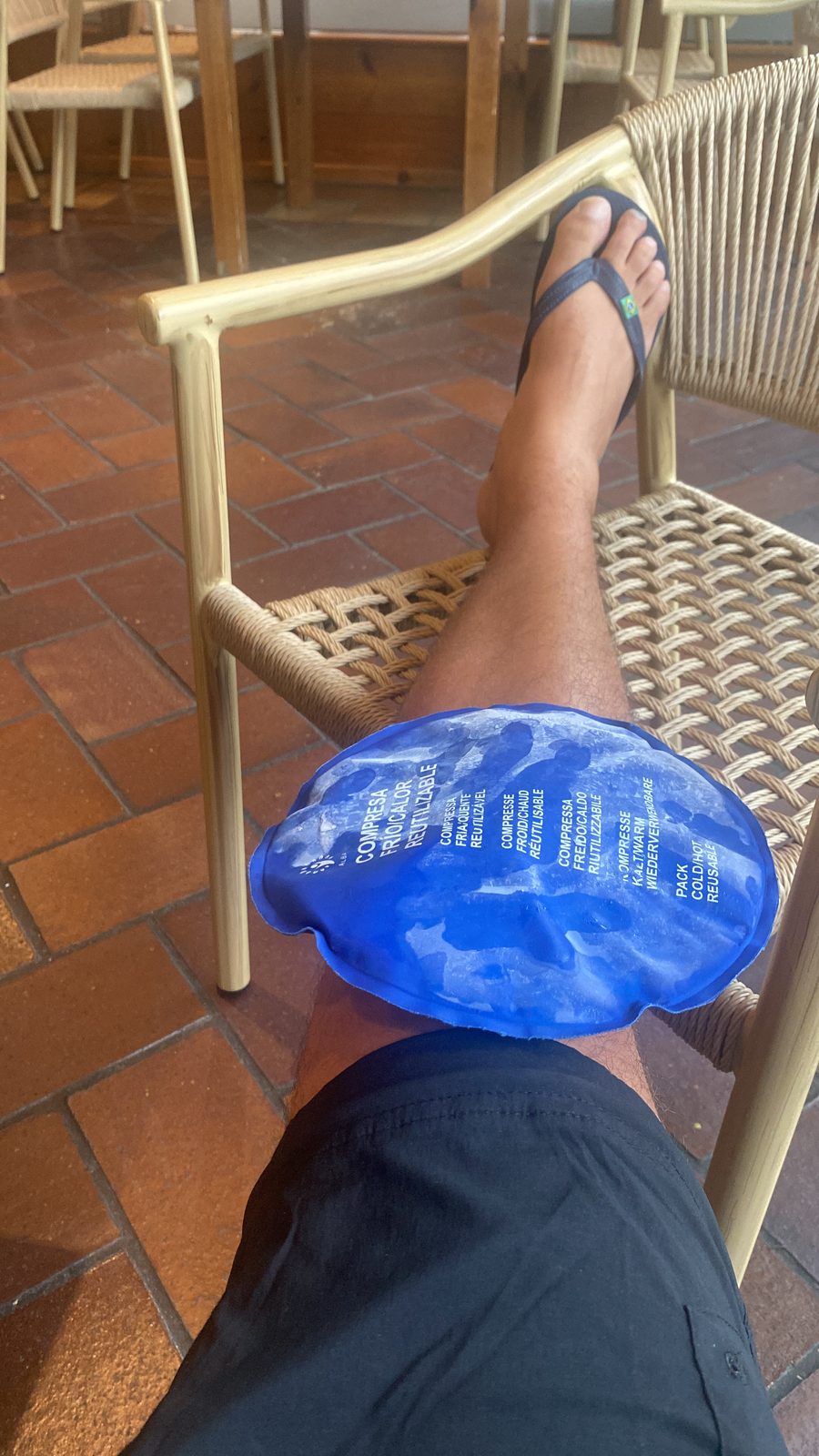
So I did the exact thing I had crossed a continent to avoid doing. I quit. I booked a flight home.
Home, for Two Weeks
I did not fly straight home. I took the evening train from Pamplona to Barcelona, and somewhere along the way the strangest feeling came over me. I had just quit the thing I crossed a continent to do, and instead of shame what I felt was freedom. I could do anything I wanted. I checked into a hotel, could not sleep, and at half past five in the morning, wide awake and weirdly pleased with myself, I started a list of things I was going to stop telling myself on the walk back. It was a very on-brand way to handle a crisis, lying awake in a fancy hotel making lists instead of sleeping.
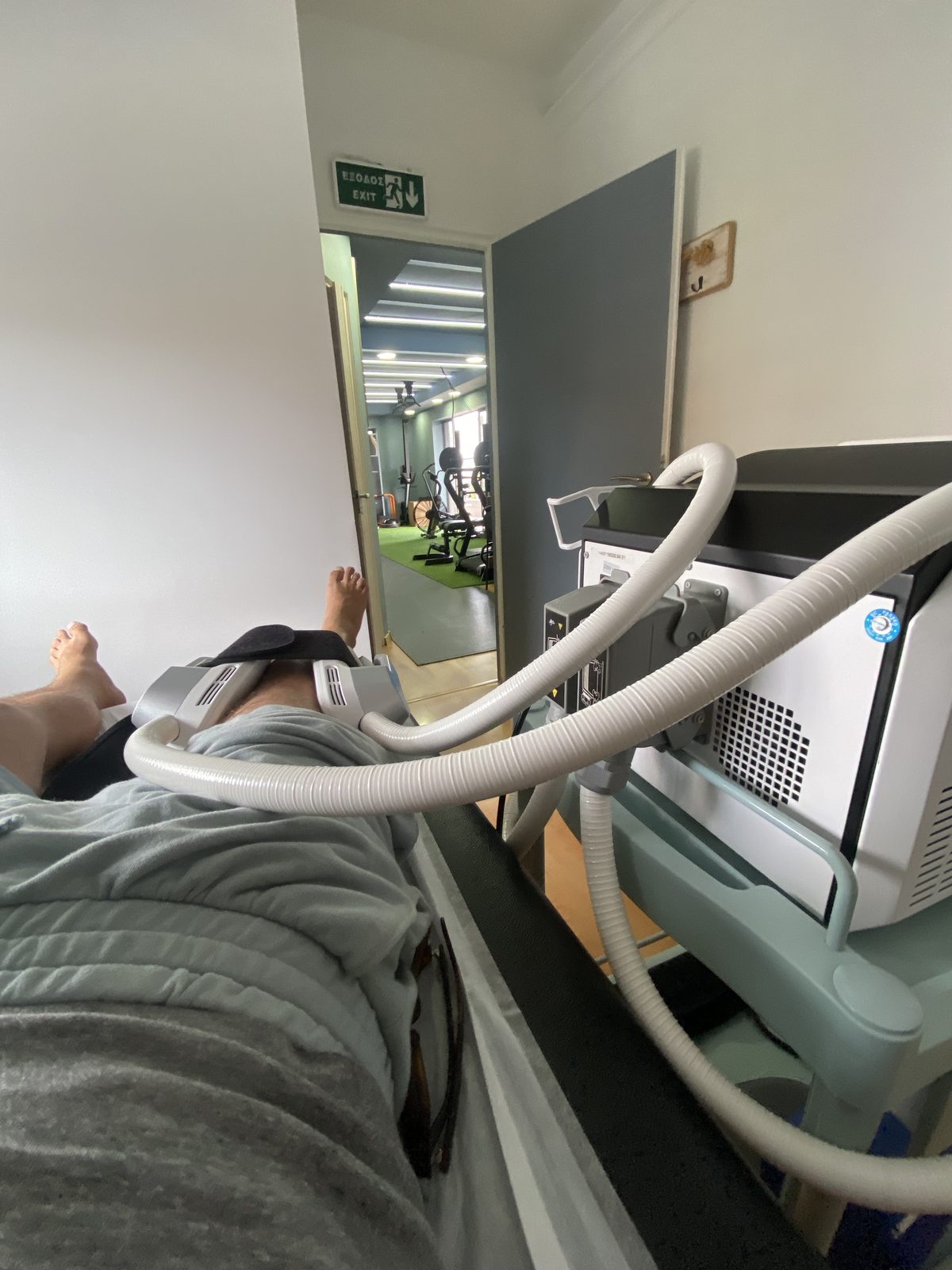
I spent about thirteen days back in Athens doing physical therapy on the knee. Friends asked how the Camino was. I told them the truth, that I had barely started it and limped home.
Not once, in those two weeks, did I think I was finished. There was never a version of this where I did not go back. The trail had taken my body apart in four days and shipped me home, and the only question in my head was when the knee would let me return, never whether I would.
When it finally felt strong enough, I booked the flight back. I could have skipped ahead and started fresh somewhere easier to make up the lost days. I refused. I flew to the exact spot where the knee had quit on me, laced up, and started again from there.
Starting Over, Exactly Where I Stopped
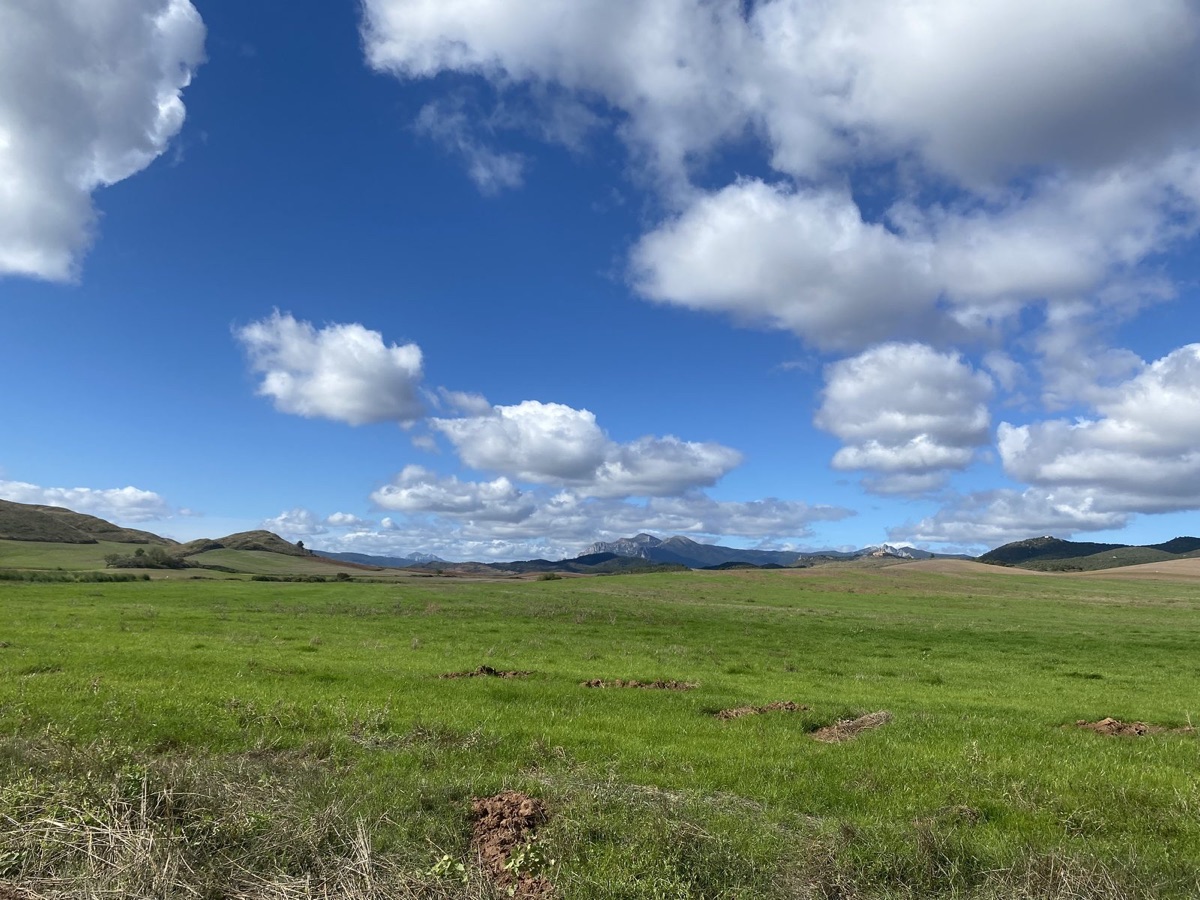
Even the comeback was not graceful. I had left my trekking poles in Greece, so the first thing I did on the way back to the trail was stand in a Decathlon outside Pamplona buying a new pair, feeling slightly ridiculous about my big return.
There is something strange about restarting a thing on the exact spot where it broke you, with the same yellow arrows, the same kind of path, and a knee that now flinched at every downhill out of memory as much as out of pain.
But I was a different person stepping onto it the second time. The first time I had been running from something, fast, trying to outwalk it. This time I had nothing to prove and nowhere to be. For the first time in years, that felt less like failure and more like permission.
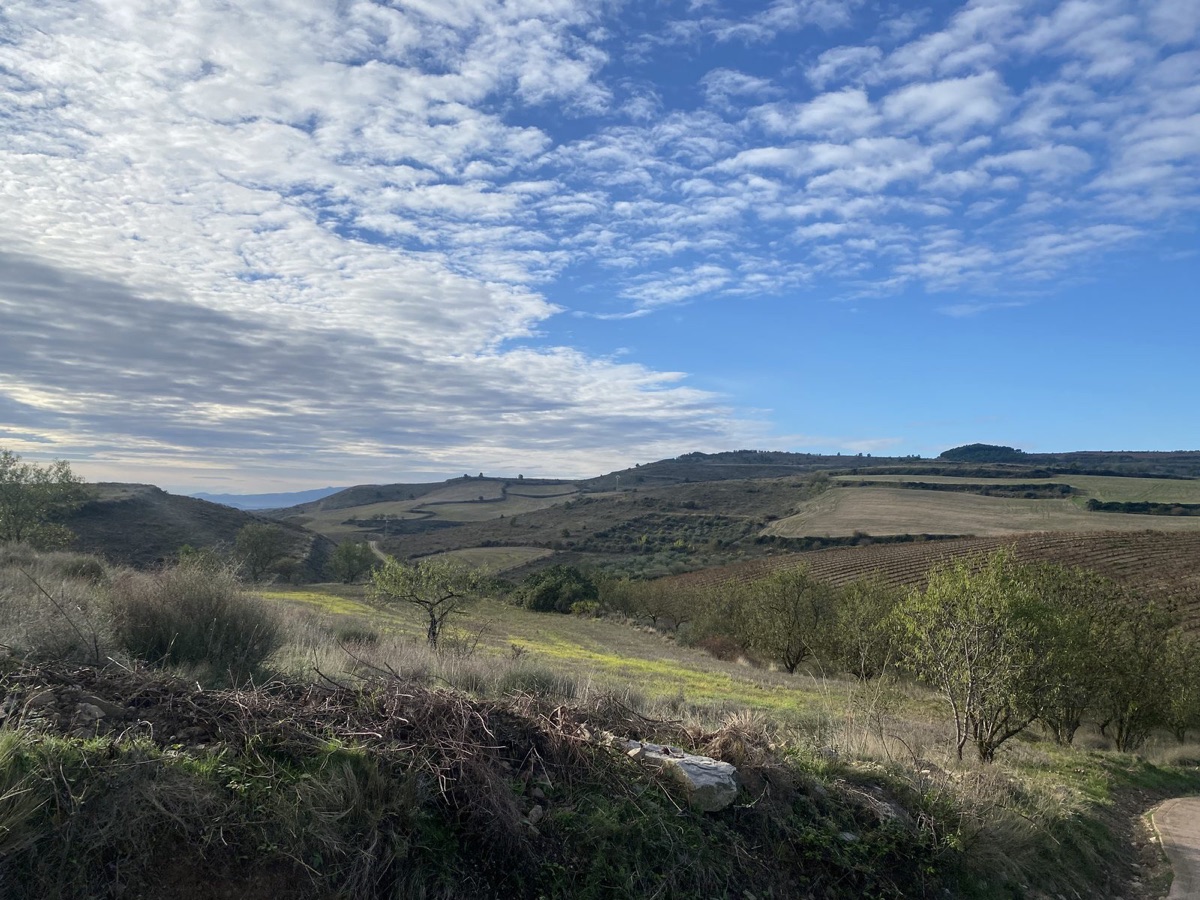
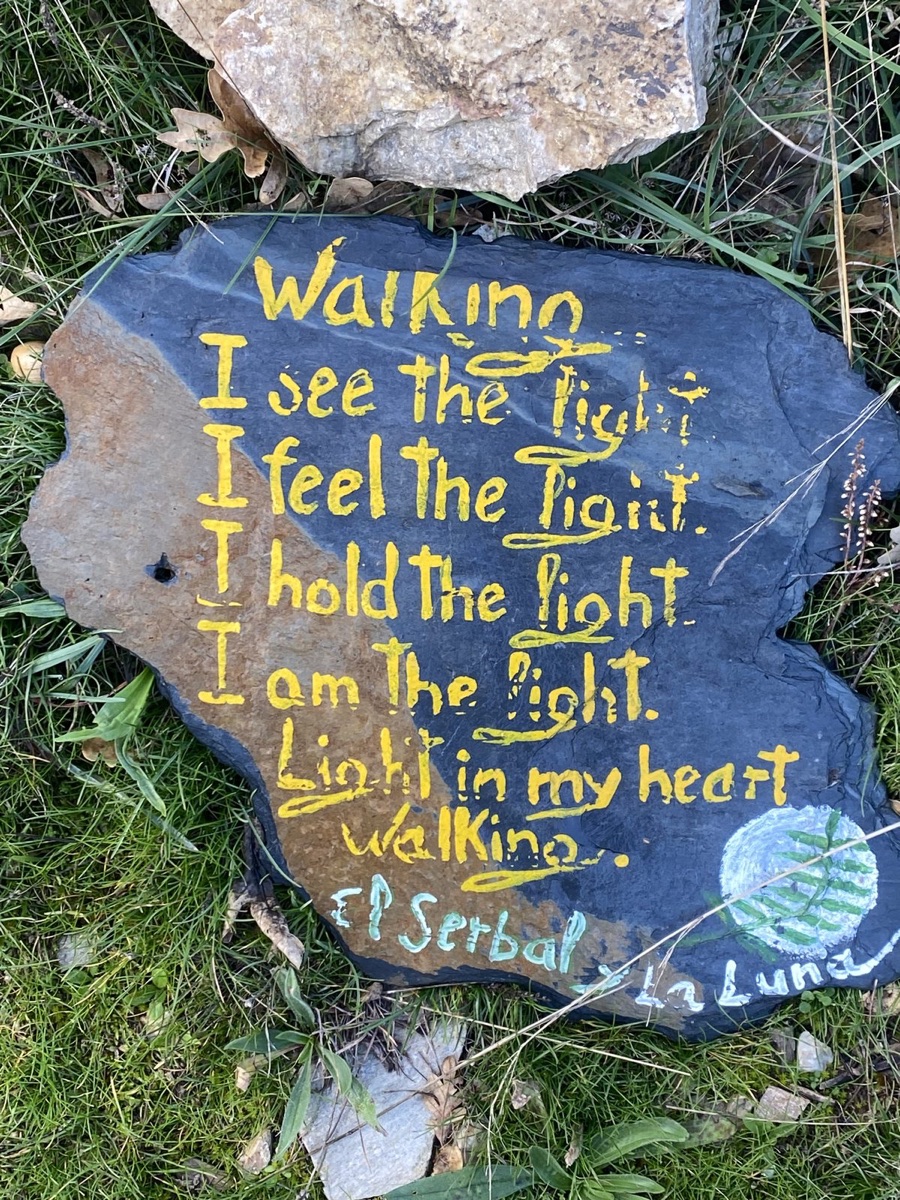
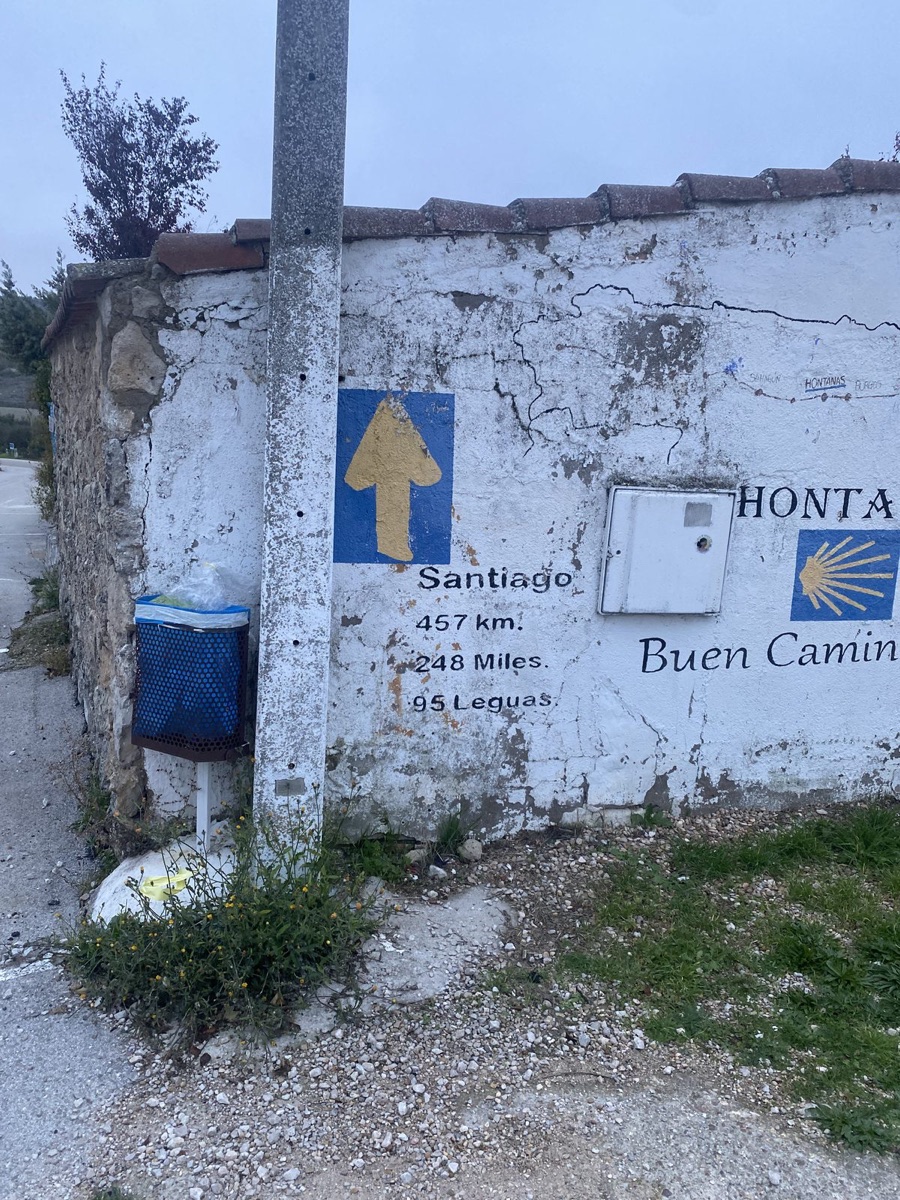
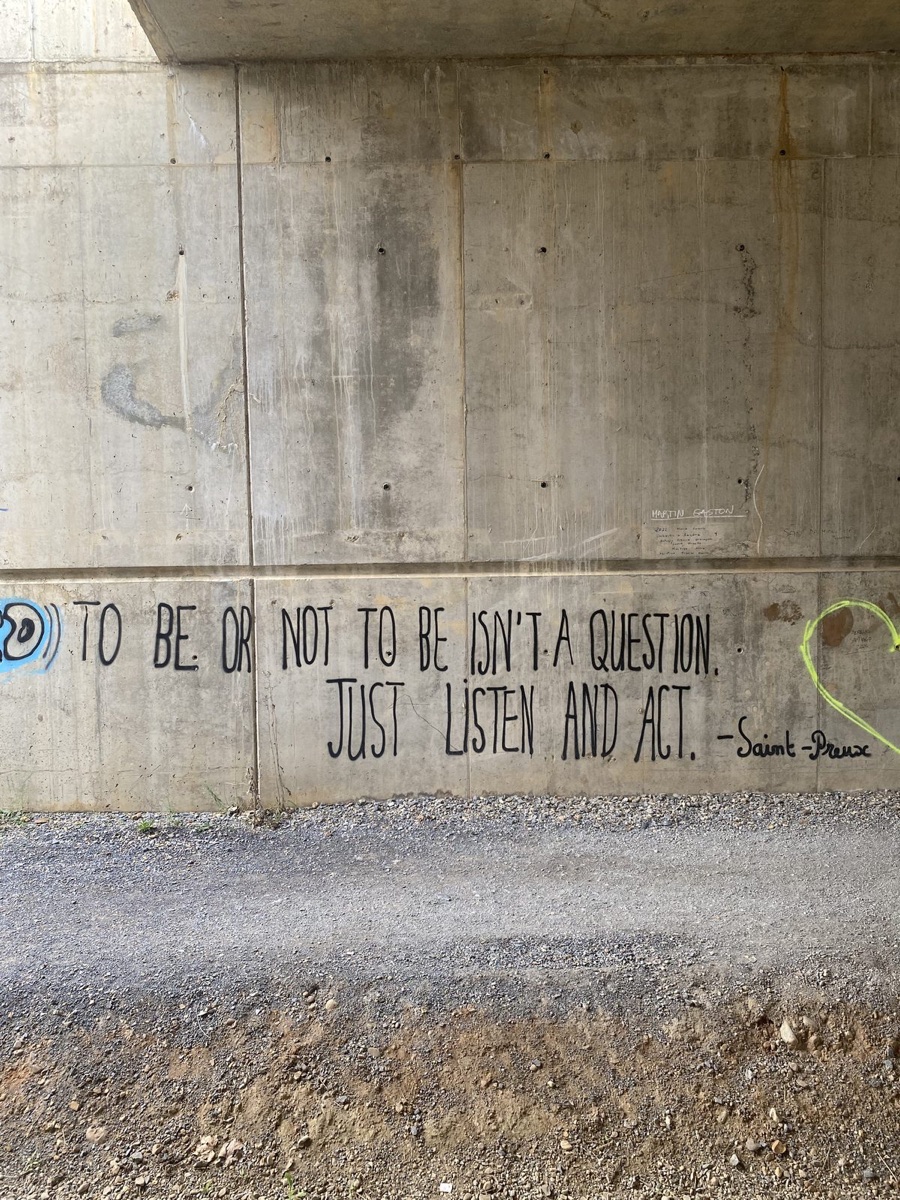
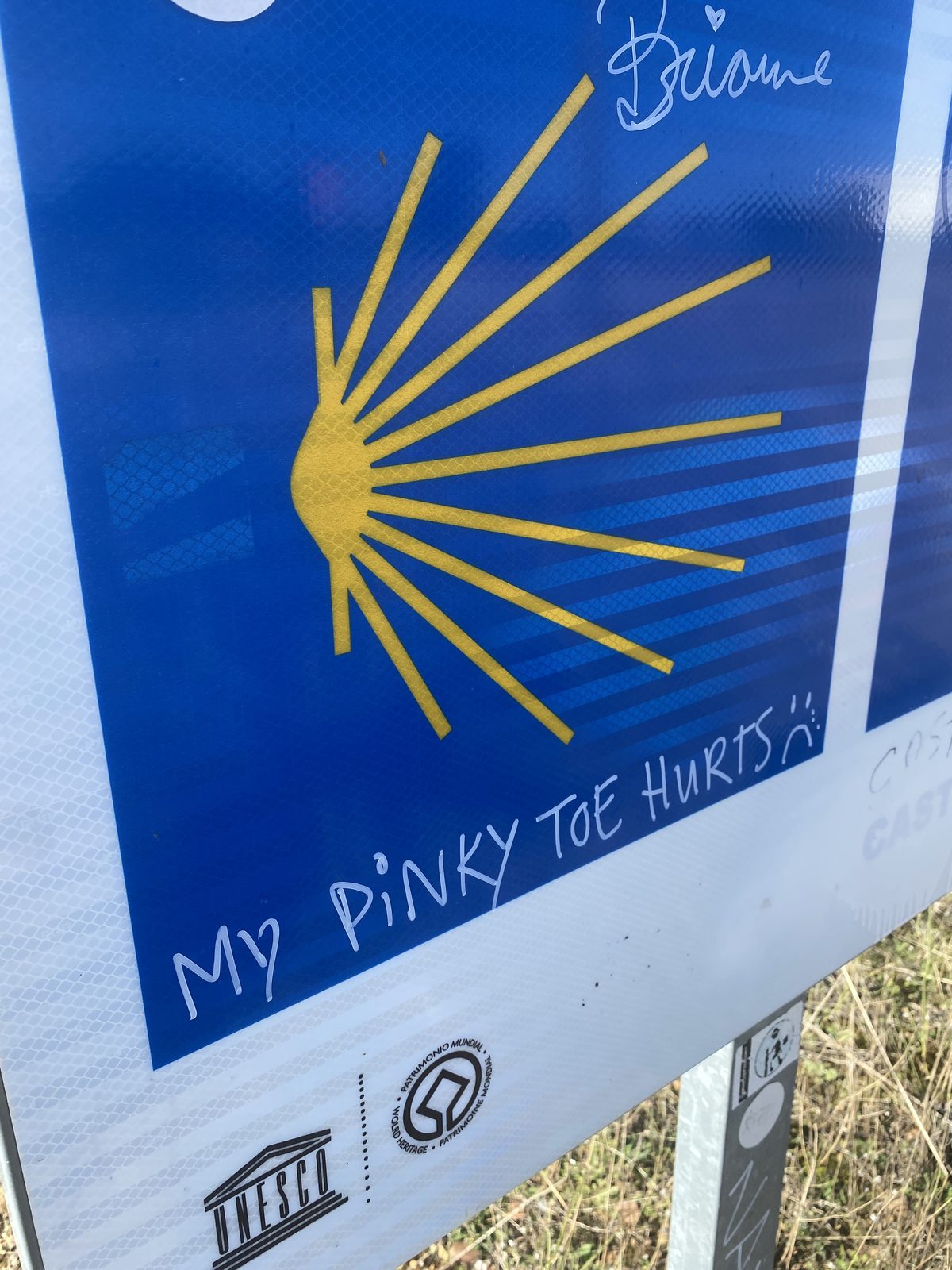
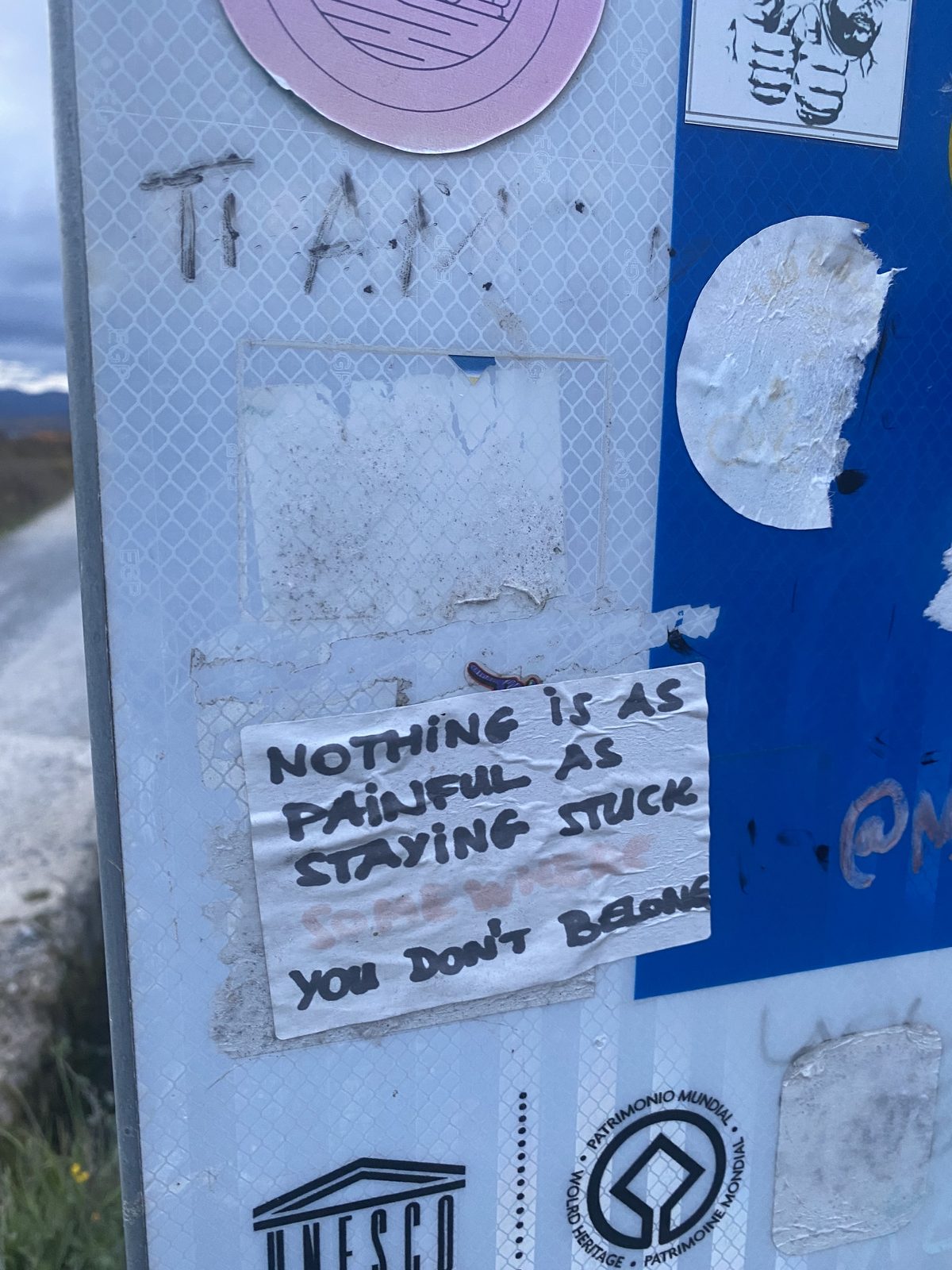
The trail talks to you, if you let it. Pilgrims leave messages on walls, on stones, on the backs of road signs. I started photographing the ones that landed at the right moment.
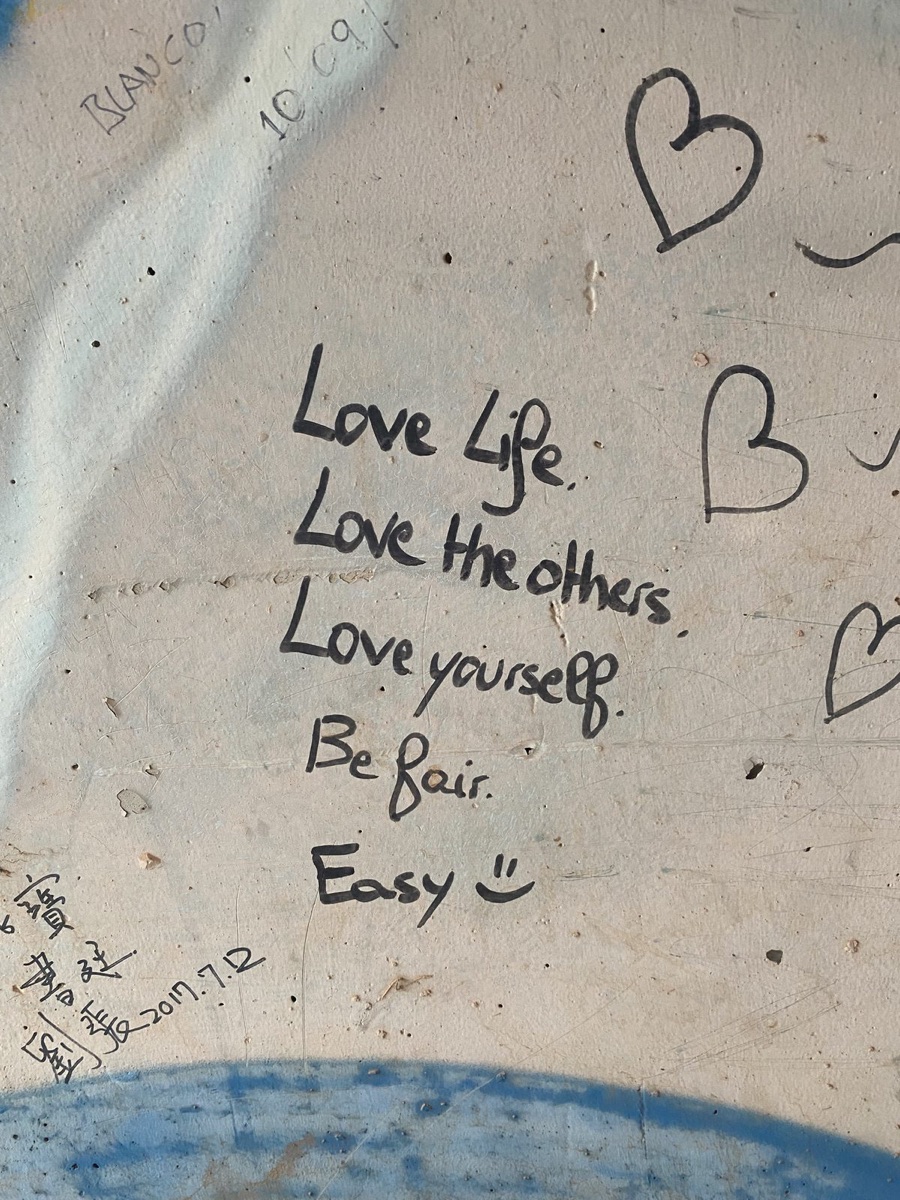
The Rhythm
What heals you out there is the monotony, not some lightning-bolt revelation. You wake up, you walk, you reach the next town, you eat, you sleep, you do it again. There is nothing to optimize, nothing to refresh, no number to move.
For someone who had spent a decade unable to stop working, that emptiness was the whole medicine. Nothing fed me but what I could see and smell and the ground passing under my feet. And somewhere in all that nothing, I realized I was happy, not fixed, just present and alive and walking.
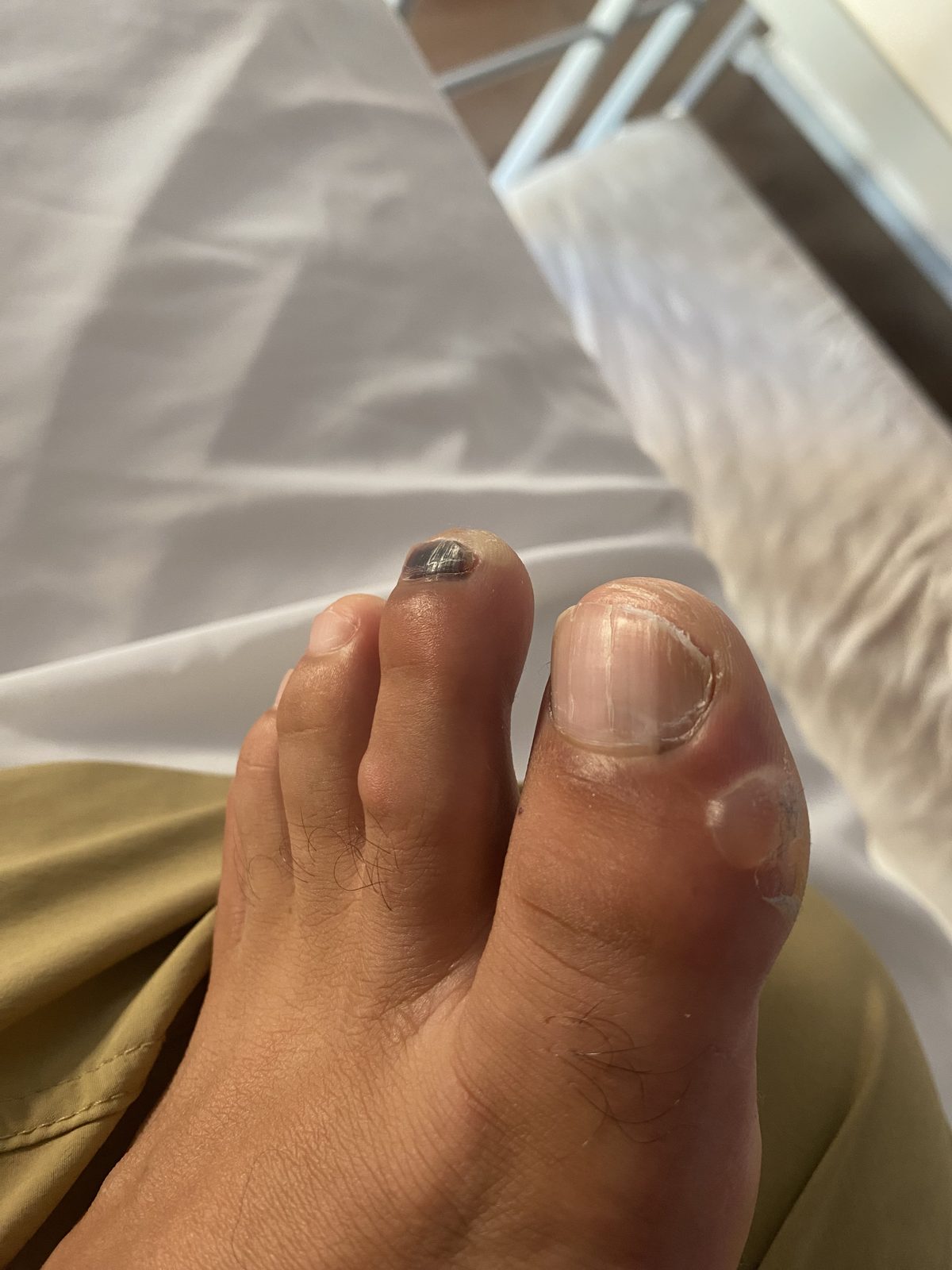
The body kept its own ledger. The knee complained every morning and eased off by the afternoon. My feet were a disaster. One toenail went black and stayed that way for months.
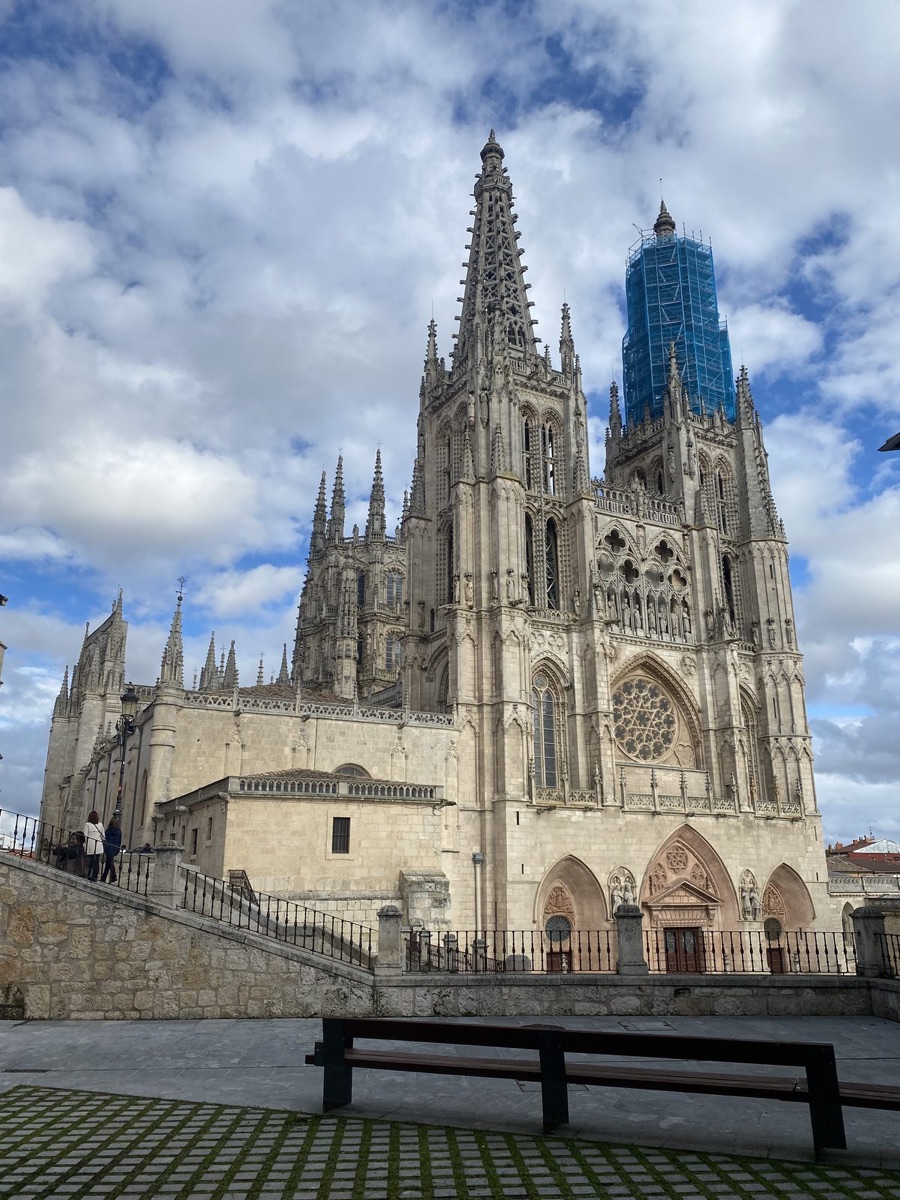
And then the towns. You walk for hours through empty country and a thousand-year-old cathedral rises out of the ground like it has been standing there waiting for you.
The People
The walk is supposed to be a solitary thing, and the strange part was how unsolitary it turned out to be. I met a lot of people out there who felt a little broken, most of them in ways they had no real reason to. You sit across from someone at a pilgrim dinner and you see the thing in them that they cannot see in themselves, and they do the same for you, and something passes back and forth that I still do not have a clean word for. I started writing down, every night, what I had appreciated about the people I had met that day.
One of them was a man named Brian. Diabetes, a cancer survivor, a stroke survivor, a recovering alcoholic and addict who had found God somewhere in the wreckage of all of it. He was walking across Spain to show other stroke survivors that the body can come back, and he was filming the whole thing as he went. I have rarely met anyone with more reasons to have stopped who simply had not.
There was a church in Santo Domingo de la Calzada where I sat through a service, took communion, and ended up in a prayer circle afterward with a handful of other pilgrims, none of us sharing a first language. I felt God out there. By the end I had started to think of him as the tour guide and myself as the one doing the walking.
The Meseta
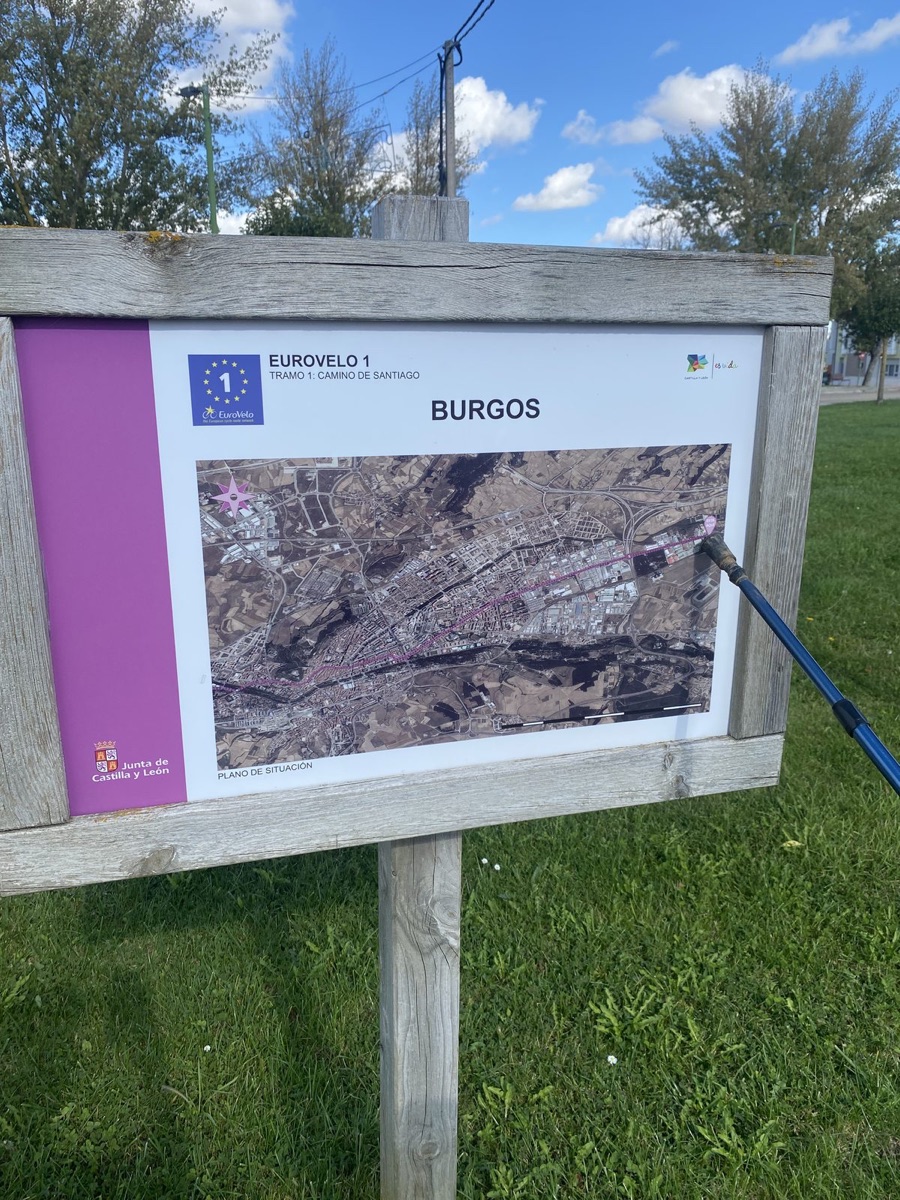
After Burgos the trail flattens out into the Meseta, the high plains of central Spain, days of wide, treeless, empty distance. Most pilgrims hate it. A lot of them skip it and take a bus across, because they say there is nothing to look at.
I thought it was the most beautiful part of the whole walk.
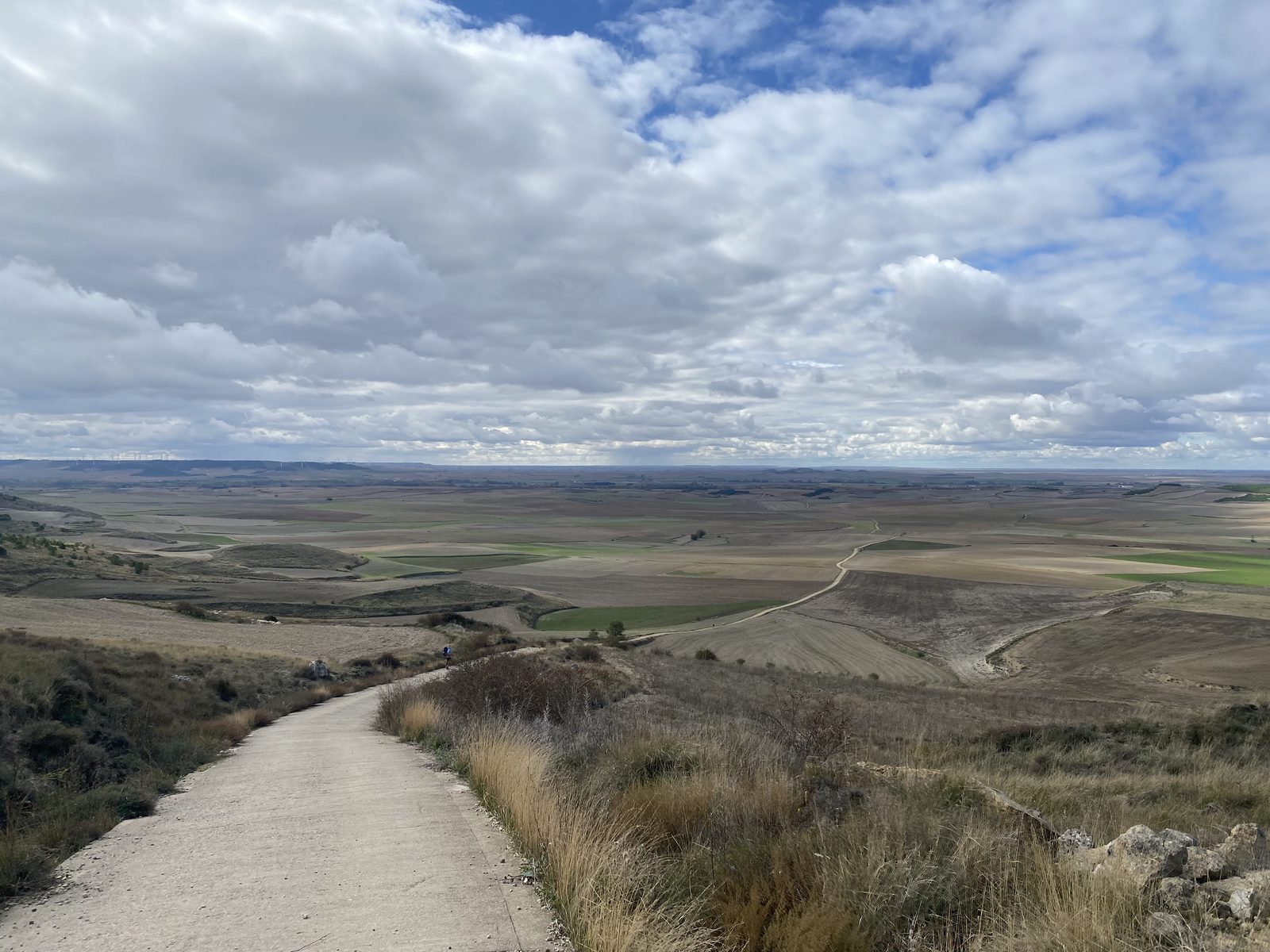
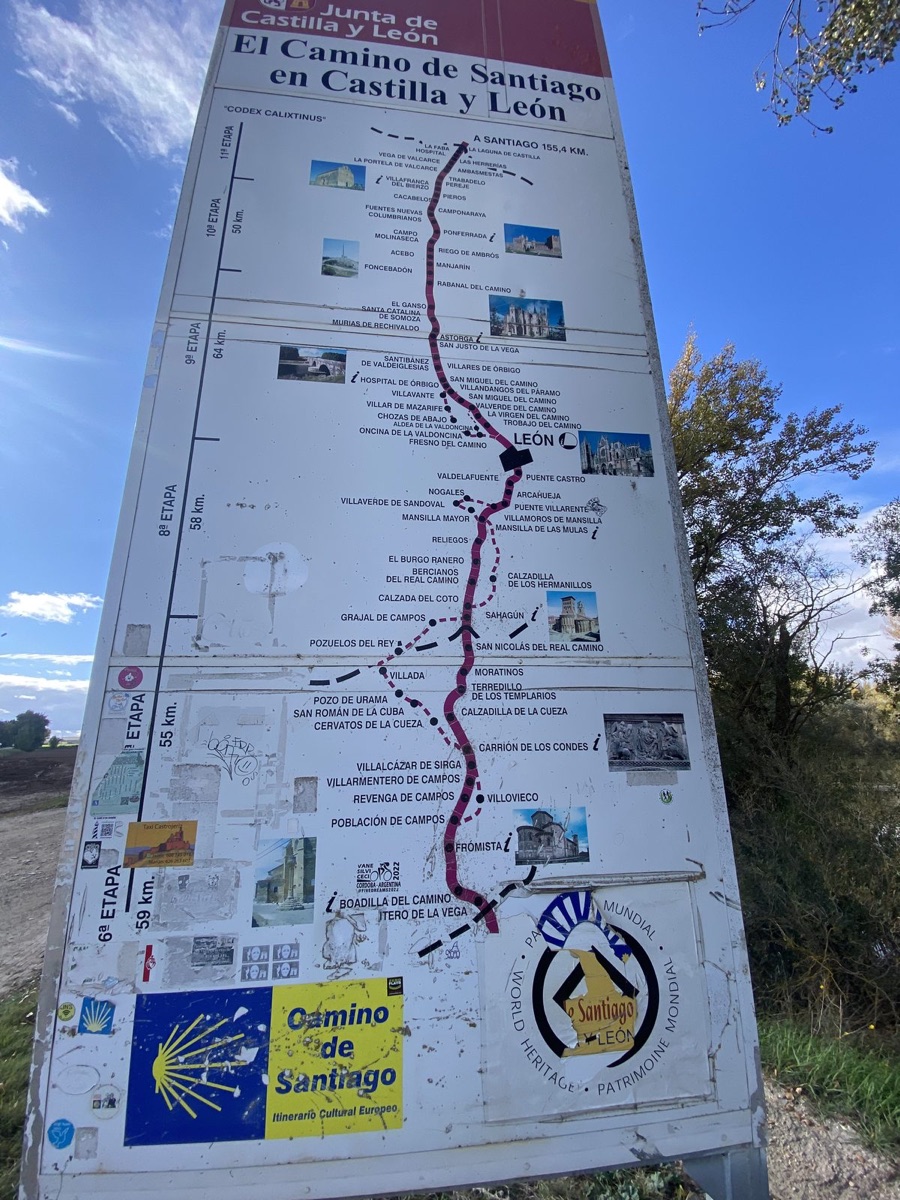
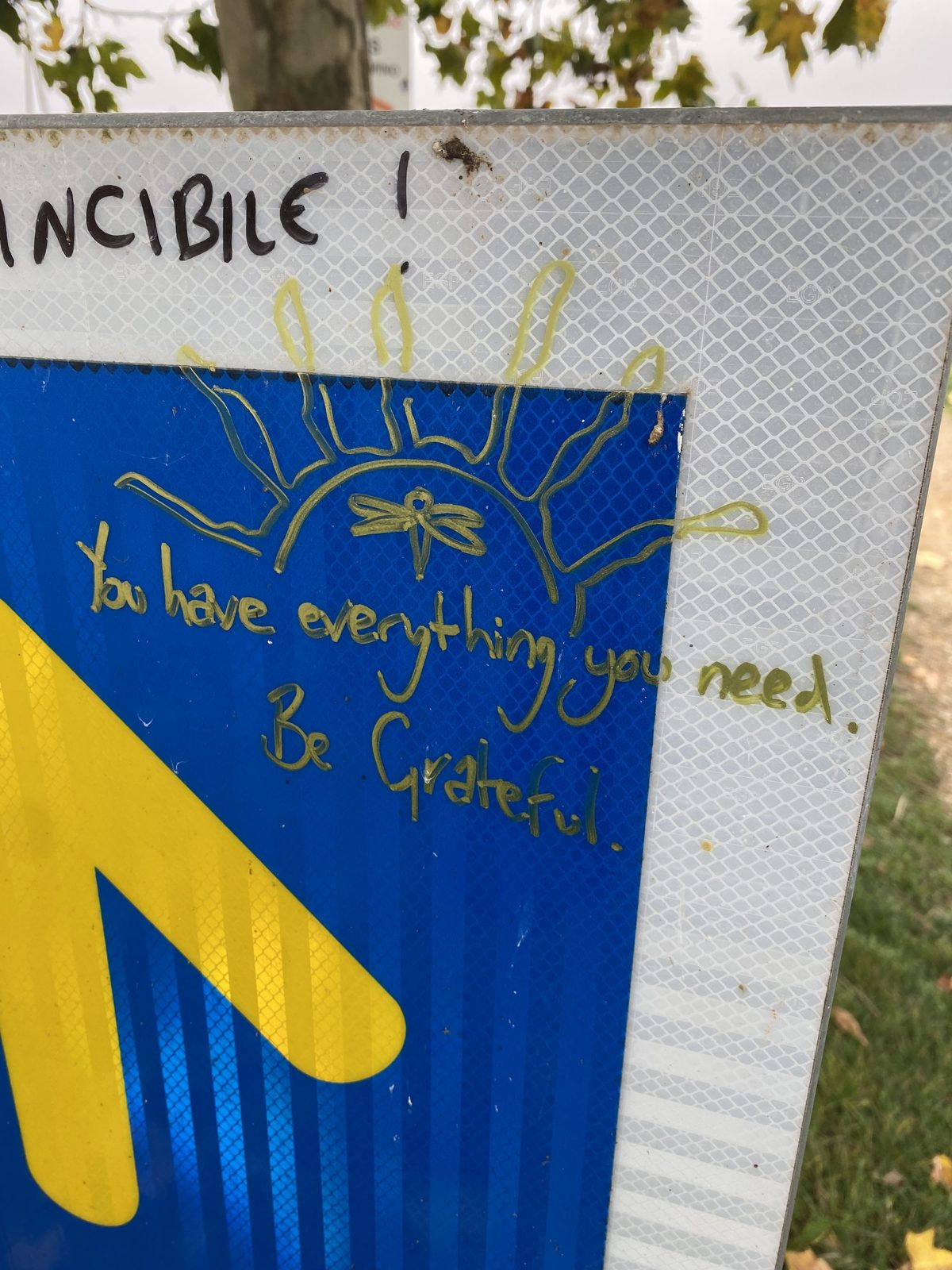
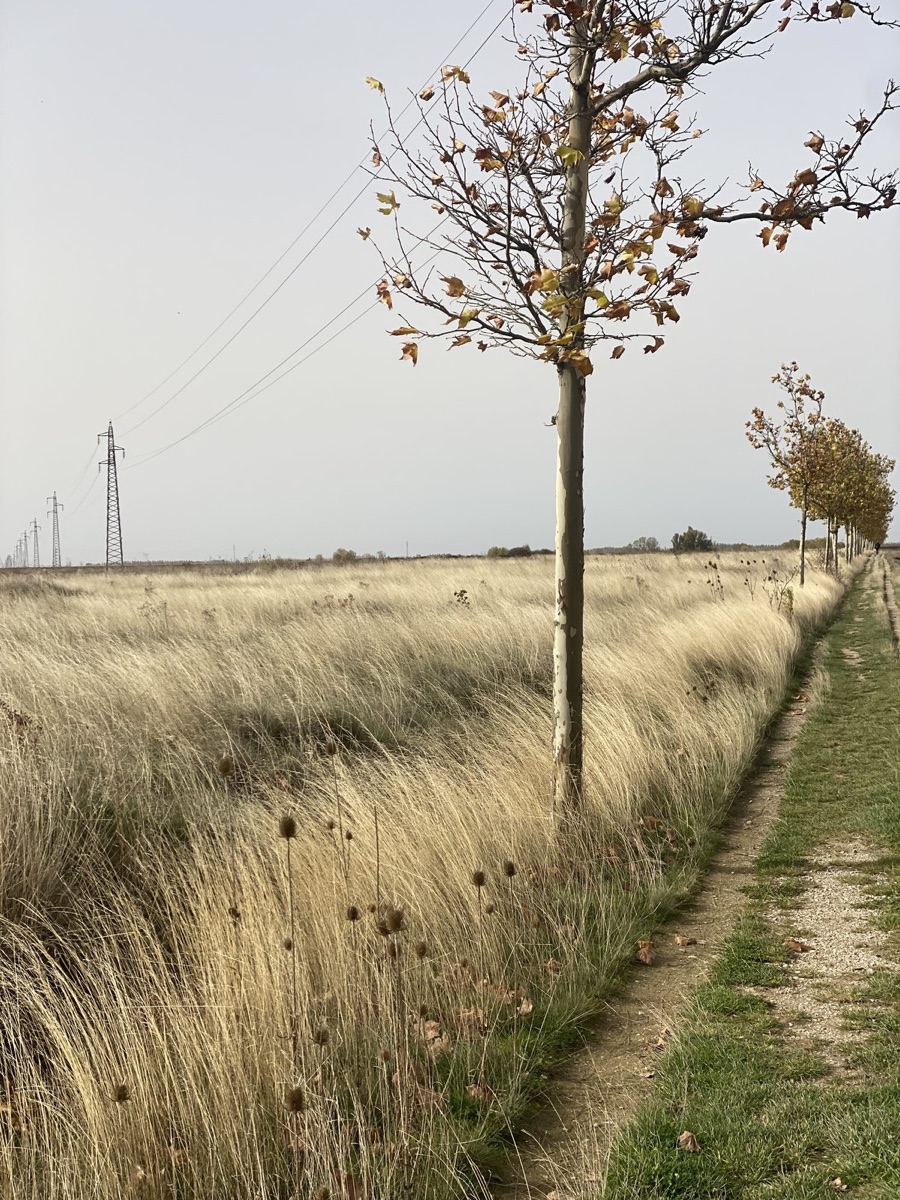
This stretch held the two longest single days of my life. One of them I never planned. I just kept walking and did not stop.
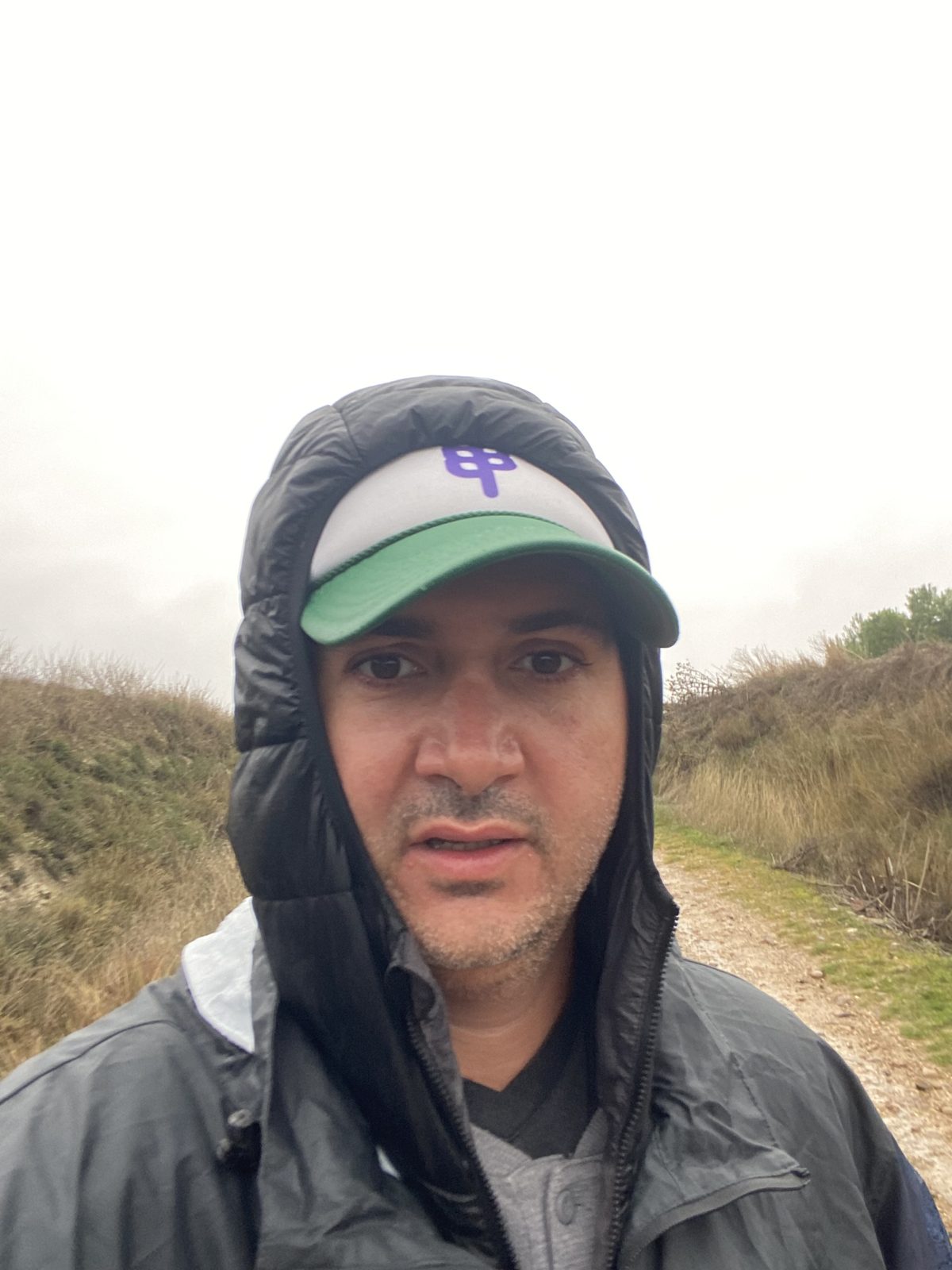
There were cold starts, wind with nothing to break it, the kind of rain that finds its way into everything. You stop thinking and just move your legs and trust the yellow arrows.
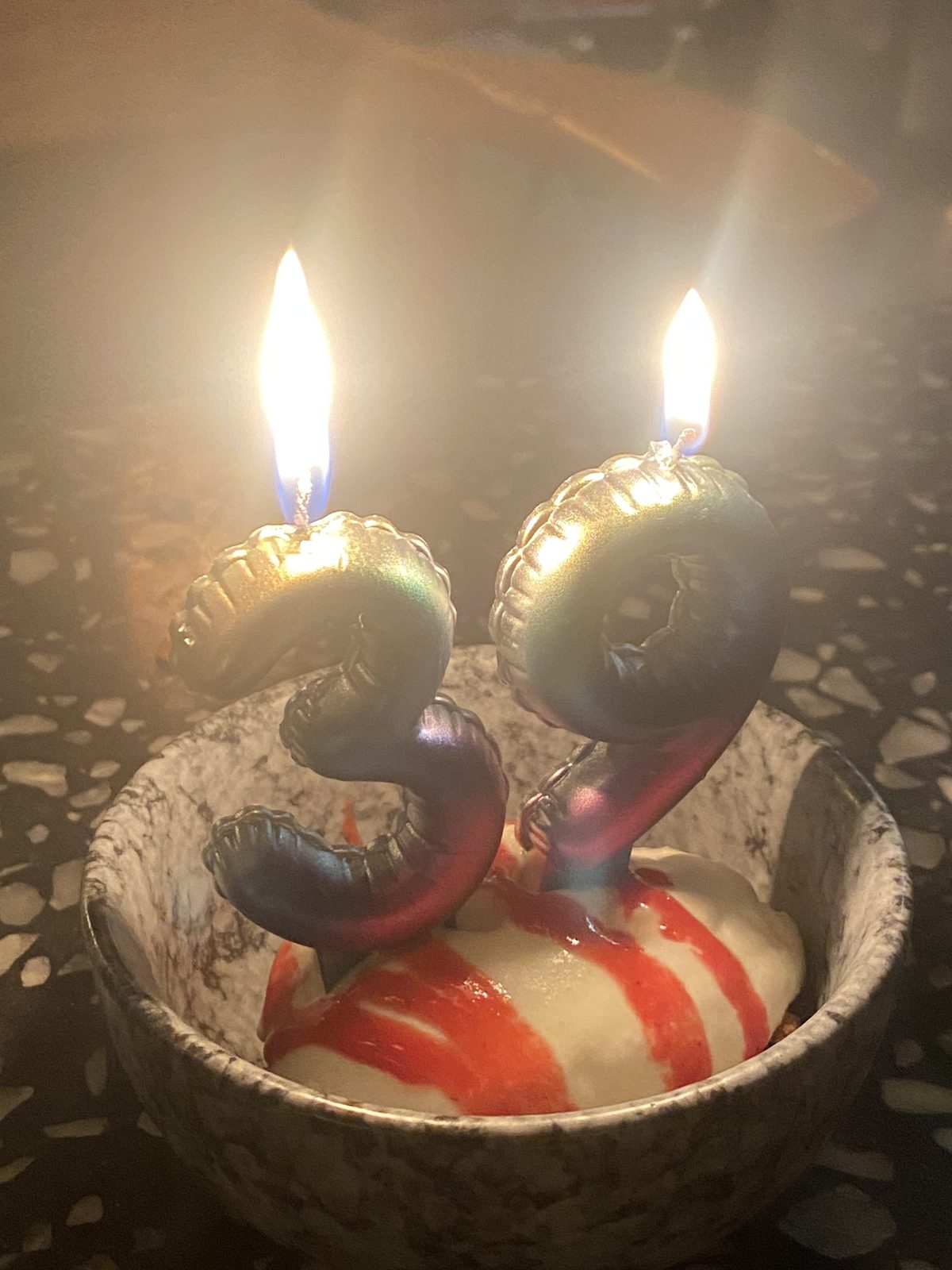
It was on the Meseta that I turned thirty-nine. Halfway to Santiago, in a town called Sahagun, covered in hives from something I had eaten or been bitten by, I managed less than seven kilometers the whole day. I spent my birthday the way I spent every other day out there, one slow step after another, a year older in the middle of nowhere.
Leon, and the Stone
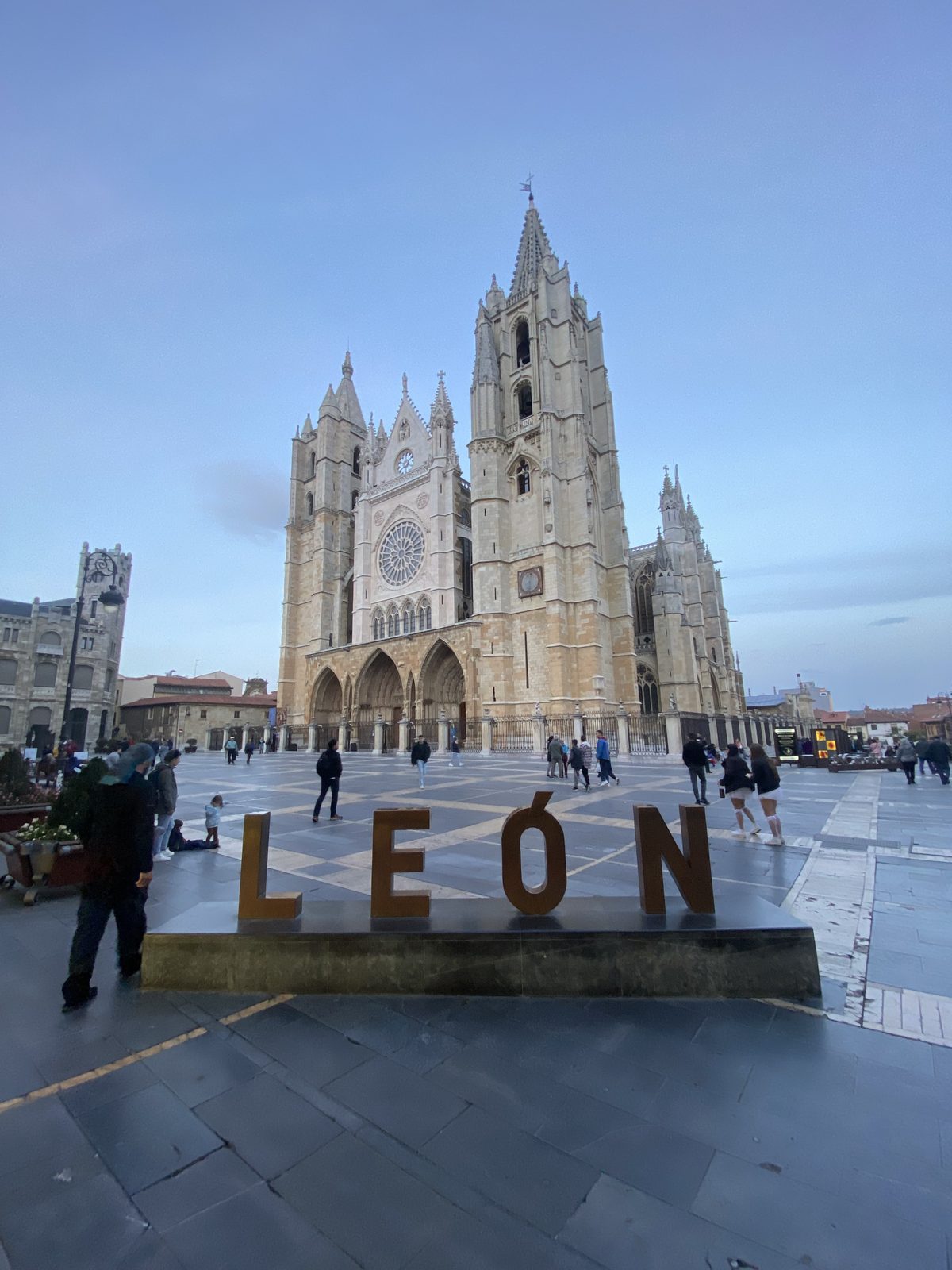
Then Leon, the last big city before the mountains start again. I sat in the plaza in front of the cathedral for a long time and just looked at it. After weeks of empty plains, a city feels enormous and slightly unreal.
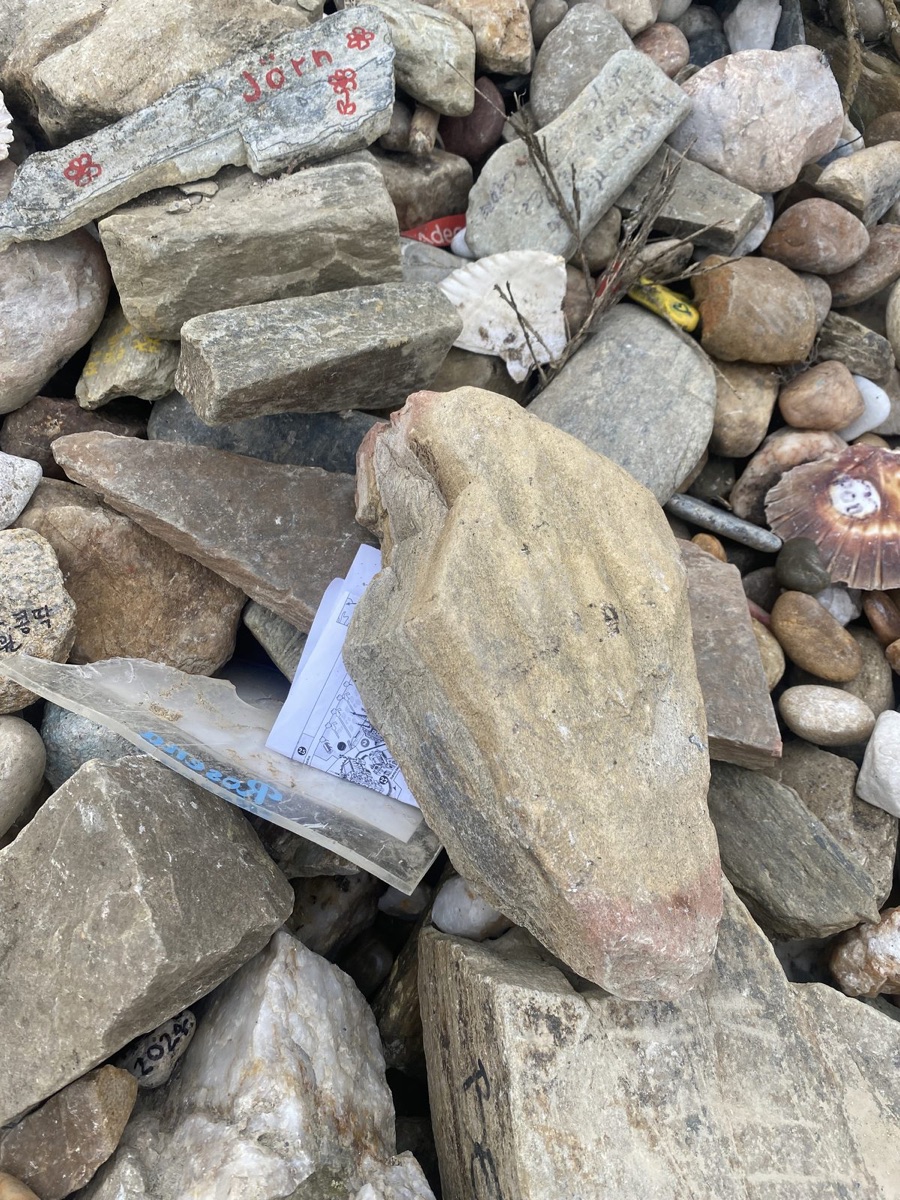
Past Leon the trail climbs toward the Cruz de Ferro, the iron cross, the place every pilgrim is walking toward whether they admit it or not. It sits at the highest point of the route on a hill of stones. The ritual is simple. You carry a stone from home, or you write something down, and you leave it at the foot of the cross. You put down whatever you came to put down.
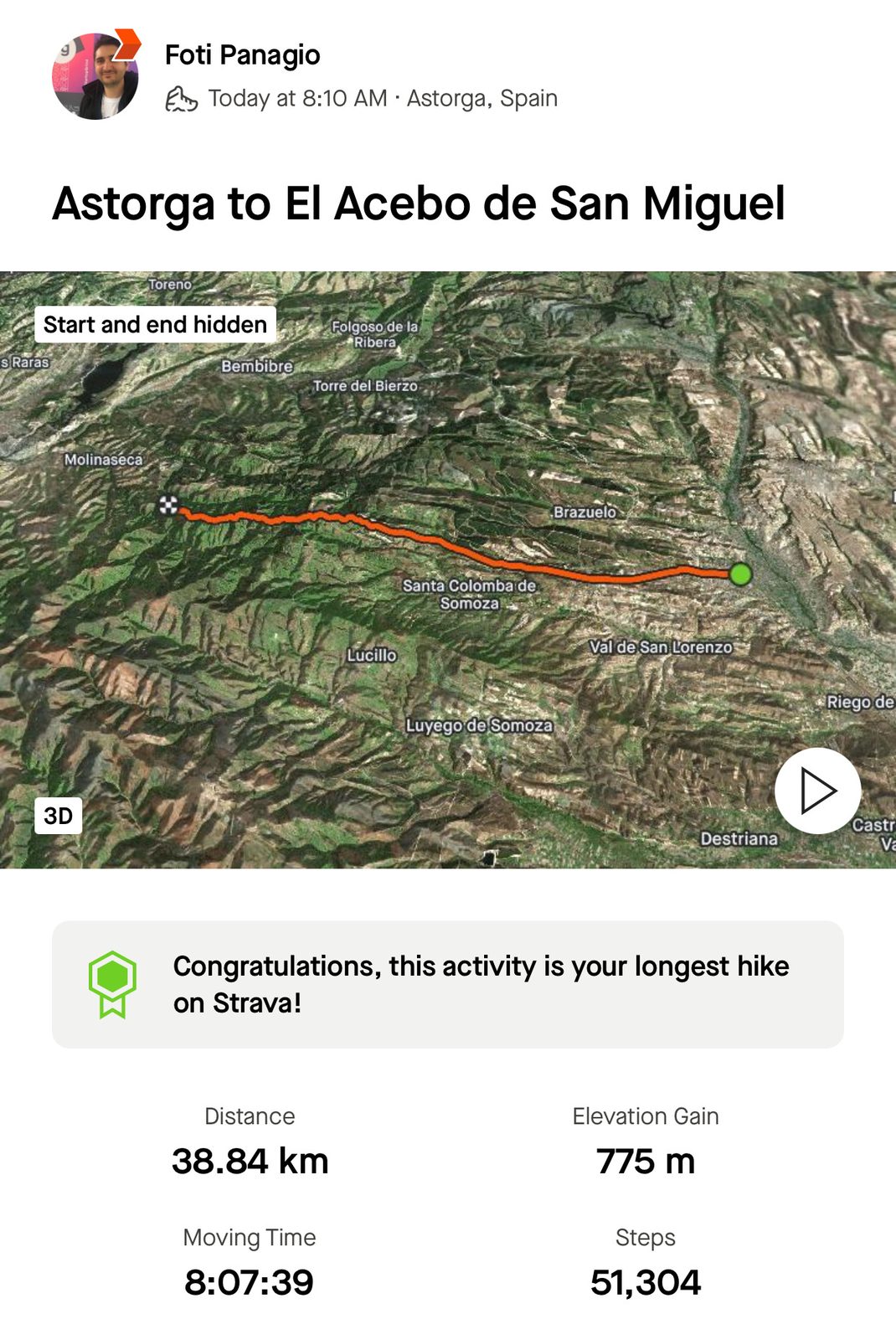
The day I reached it was the longest single day of the entire trip, 38.84 kilometers and 51,304 steps. My phone congratulated me like it was a personal best at the gym.
What I carried up there was a letter, an apology of sorts to a few people I had not been my best self with over those years. I read it once, left it on the pile with everyone else's stones and grief, and walked down the far side lighter than I had been in a long time.
A little past the cross, someone had painted a piece of slate and propped it in the grass where you could not miss it.
Galicia
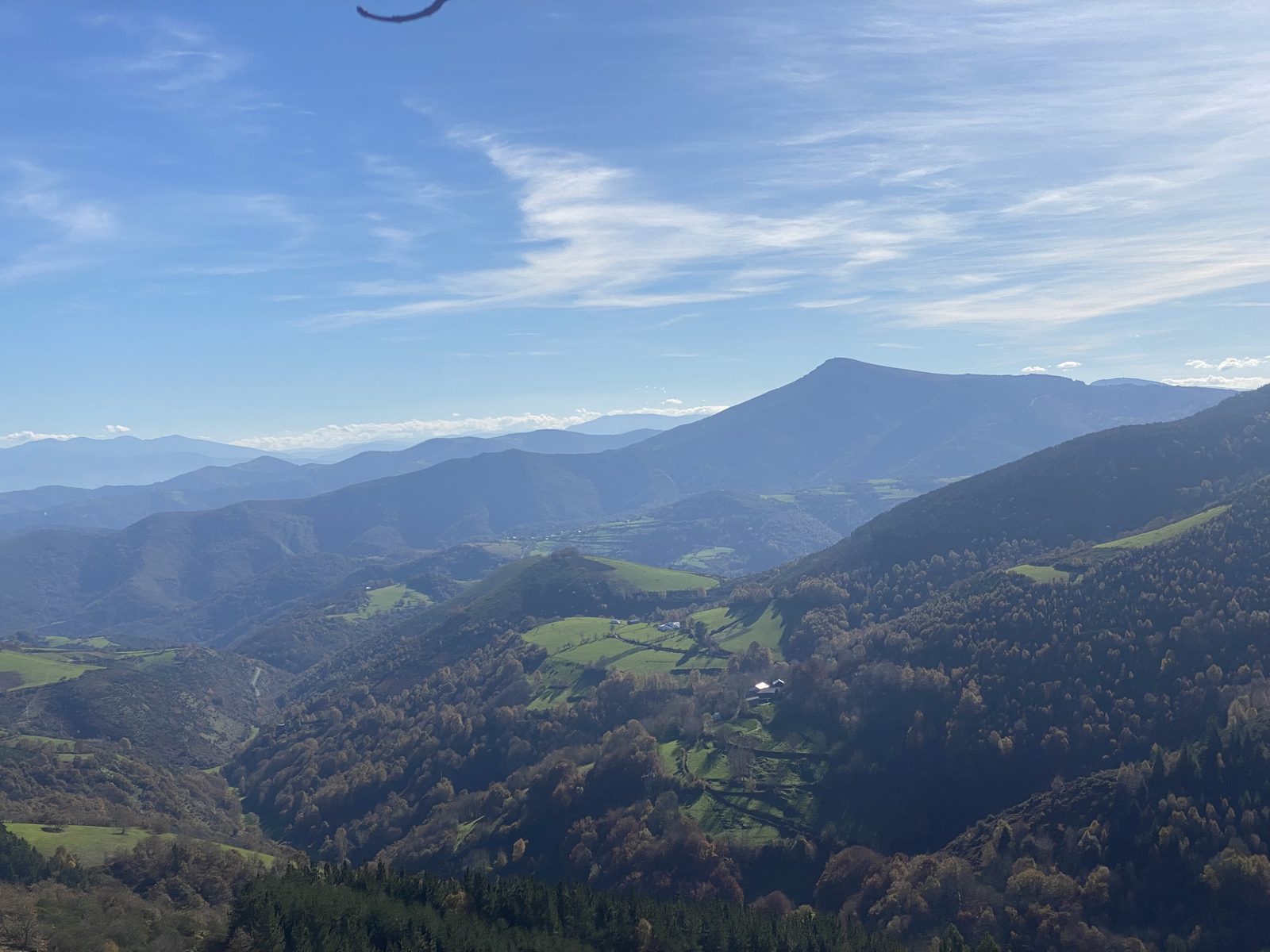
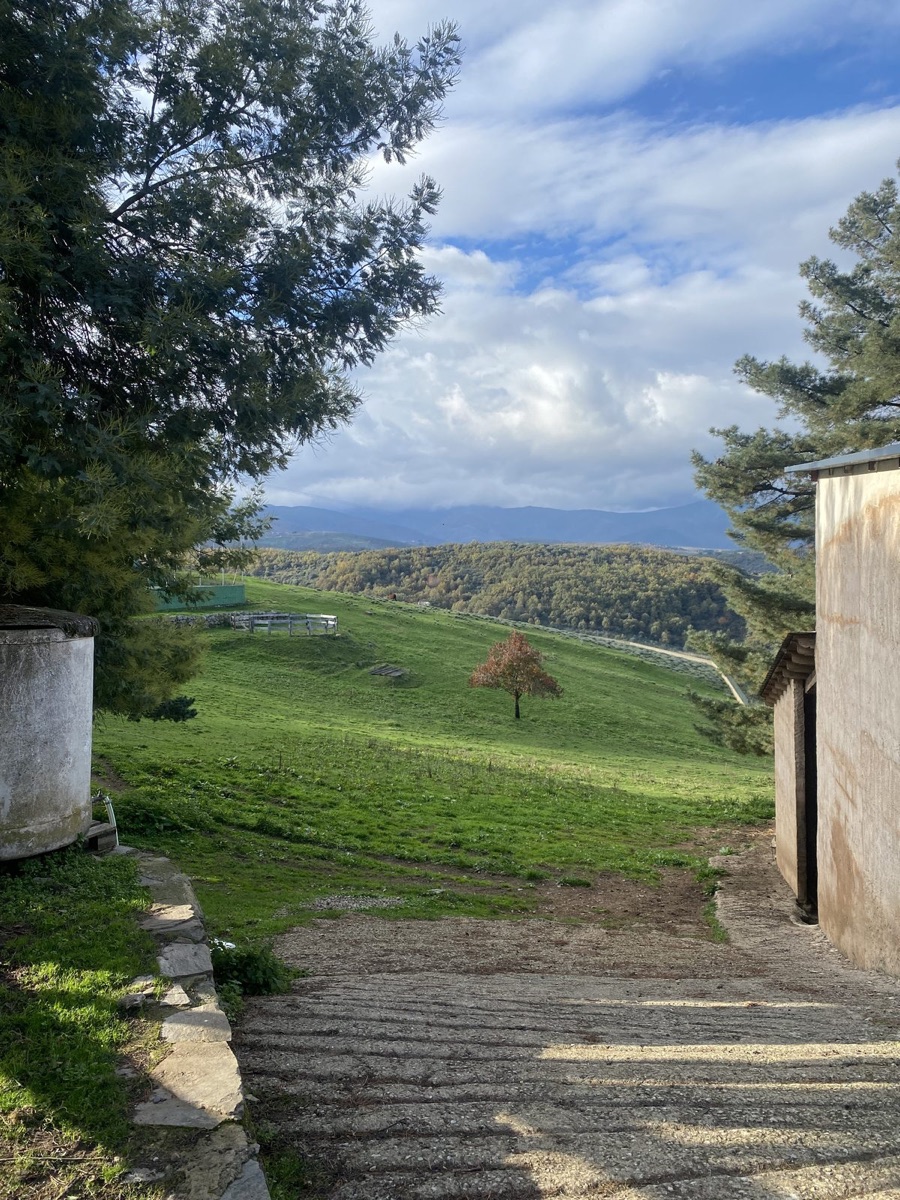
Galicia is where the Camino turns green. You climb up into the hills at O Cebreiro and suddenly it is all wet stone, moss, eucalyptus, cows, and that soft Atlantic light. It was hands down the most beautiful country of the whole walk.
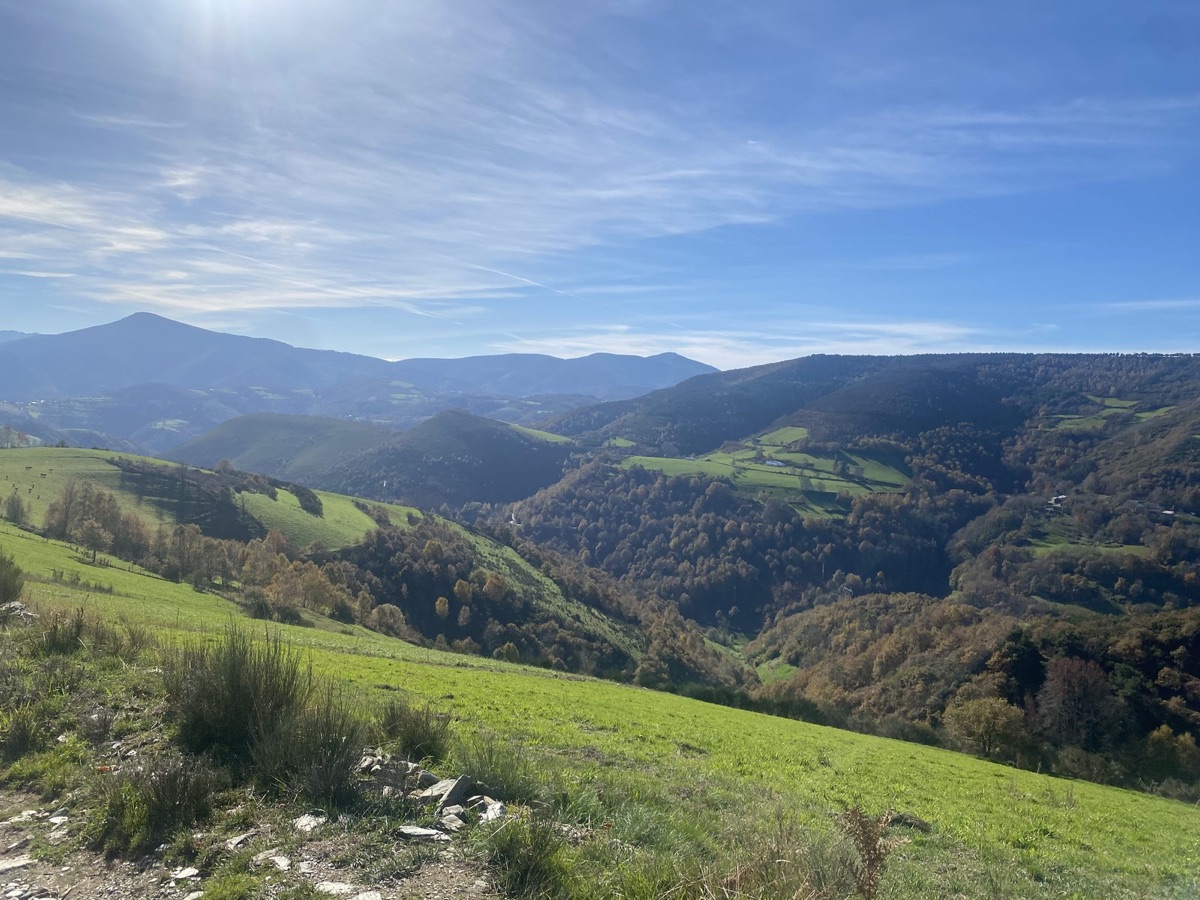
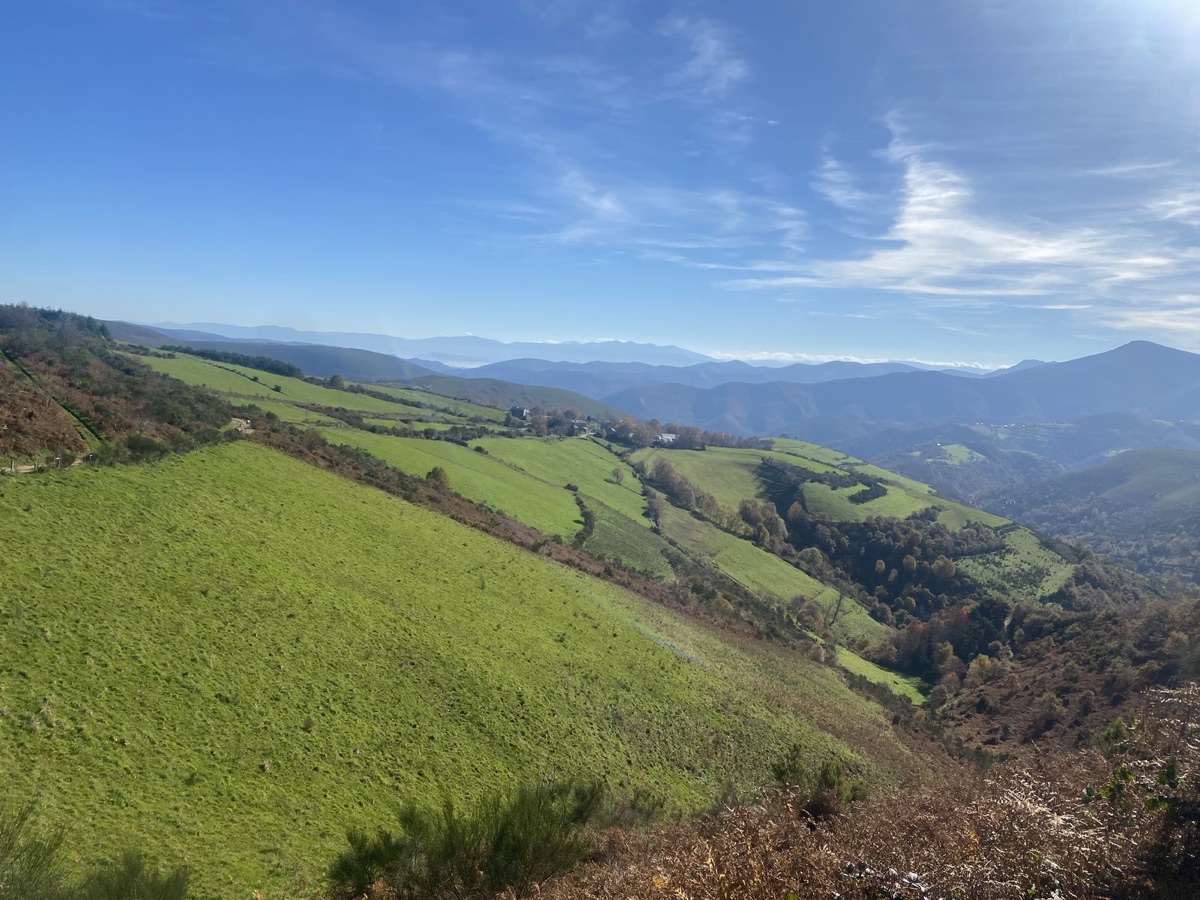
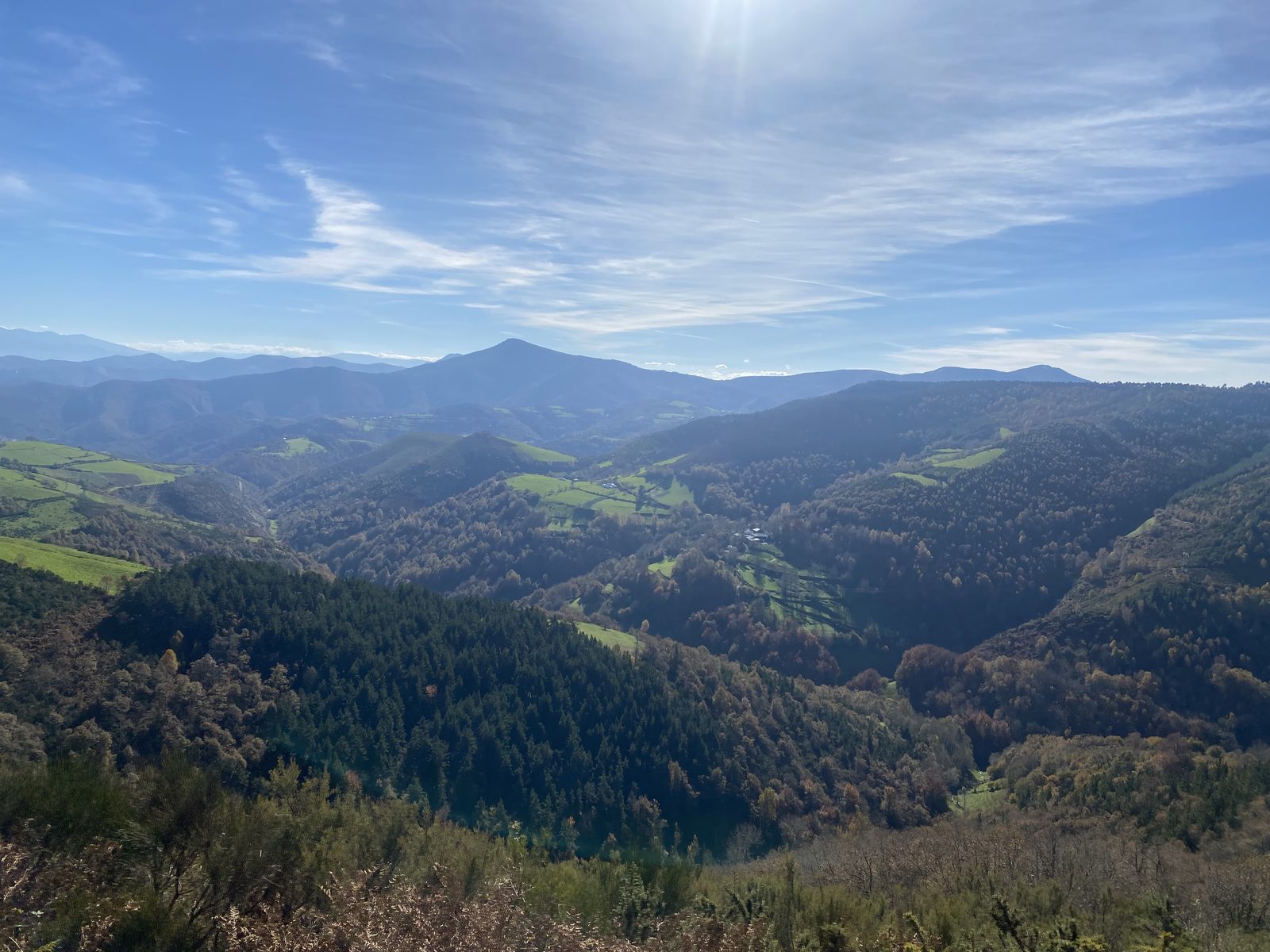
By now I had stopped being a tourist and started being a pilgrim. I knew the rhythm. And I had completely failed to learn the one lesson the trail had spent five weeks trying to teach me.
Because in Galicia I tried to win a day. I decided I would be clever, rent a bike, and cover two days of distance in one. I followed Google Maps, which found me a shorter route. The shorter route turned out to be straight uphill, on a bike, for hours. I am not a cyclist. It was far harder than walking would have been. Five weeks of being taught to stop optimizing and just walk, and there I was gaming it again, getting punished for it again.
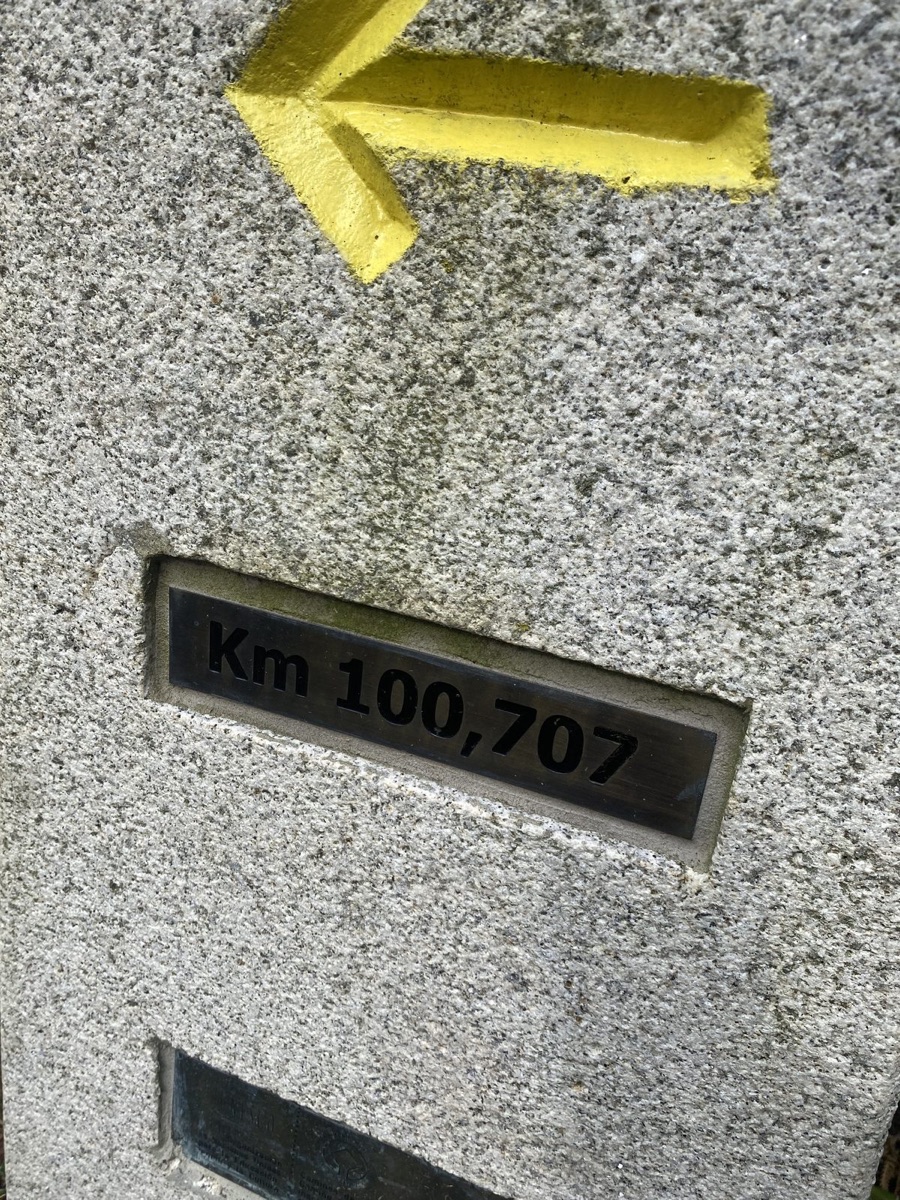
From Sarria the trail fills up. It is the last 100 kilometers, the minimum you have to walk to earn the certificate, so this is where the three-day crowd starts. The path is suddenly full of people, a guy from Portugal, a group from Palma, a handful of British women doing the final stretch together as a trip, French pilgrims. Everyone carrying their own reason, none of them saying it out loud.
That was the part I did not expect. I had gone out to be alone, and instead I was surrounded, all of us hauling something invisible, none of us with our lives even slightly figured out. It is very hard to feel like the only broken person on earth when you are sharing a dinner table every night with ten others who are just as lost and just as okay.
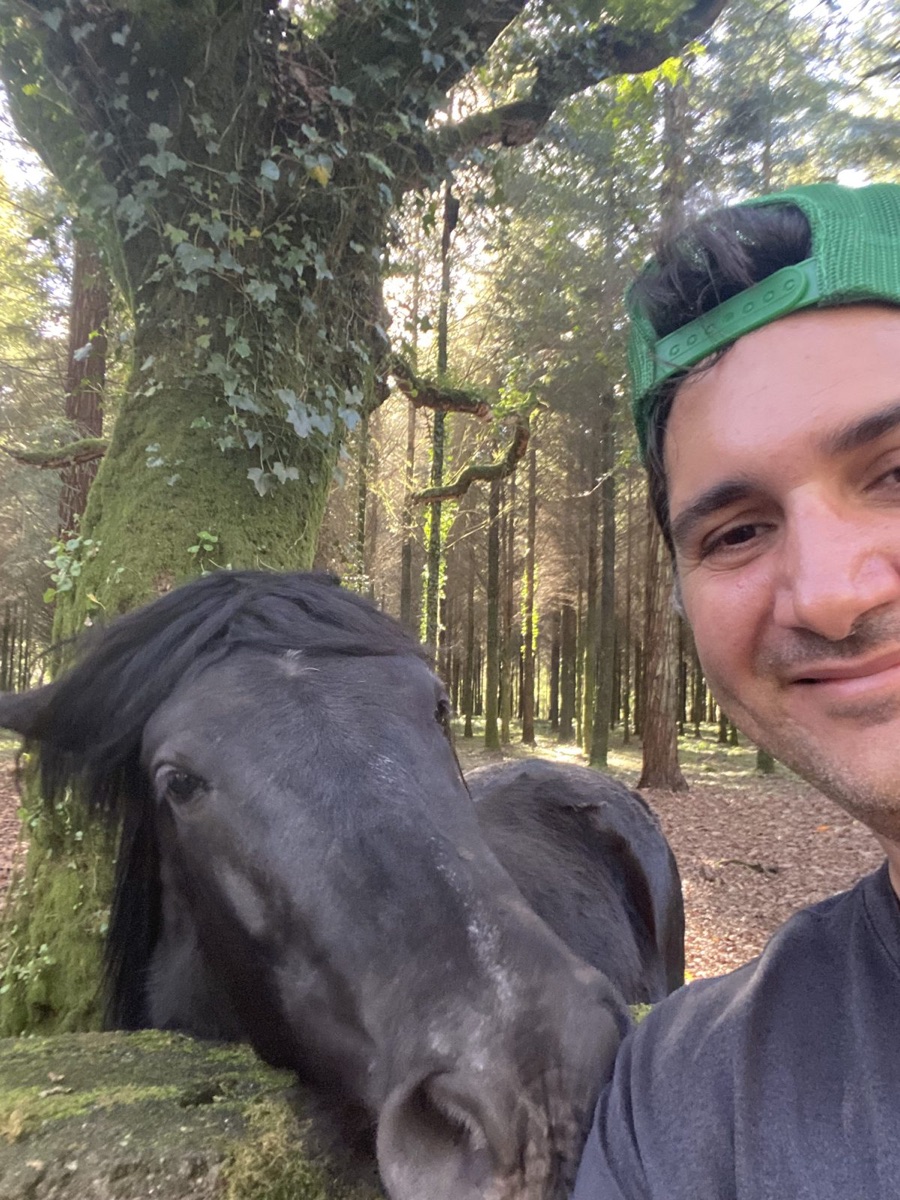
A day out from Santiago, on a bus shelter, someone had written the only question that matters.
Santiago
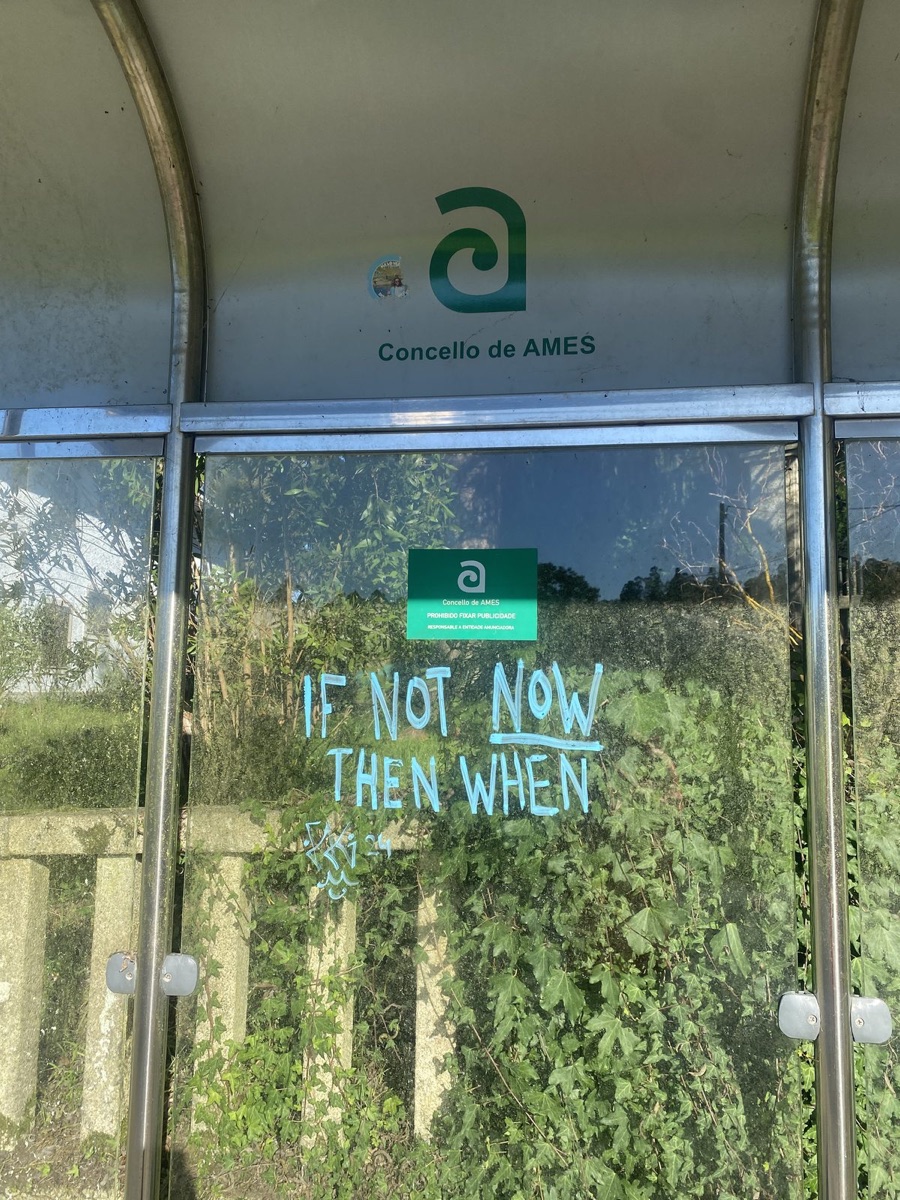
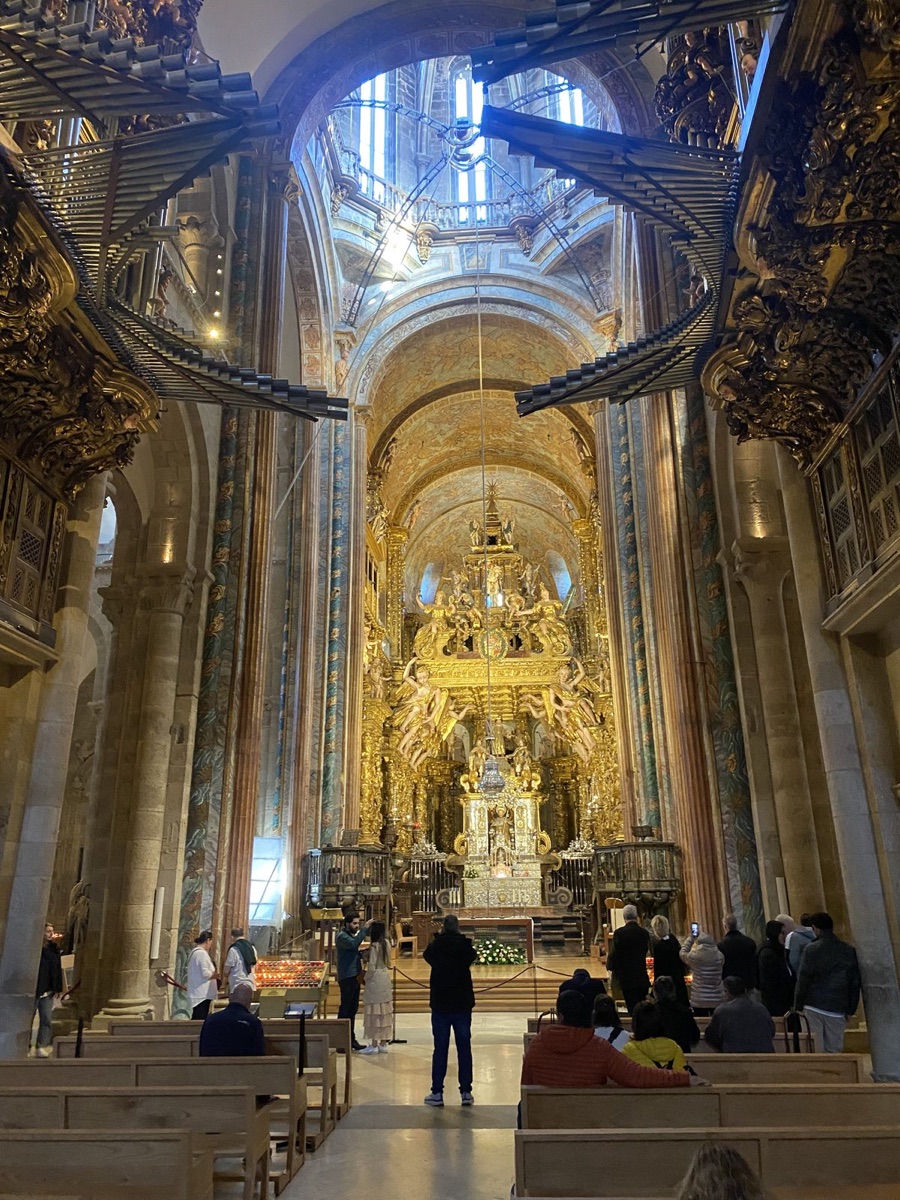
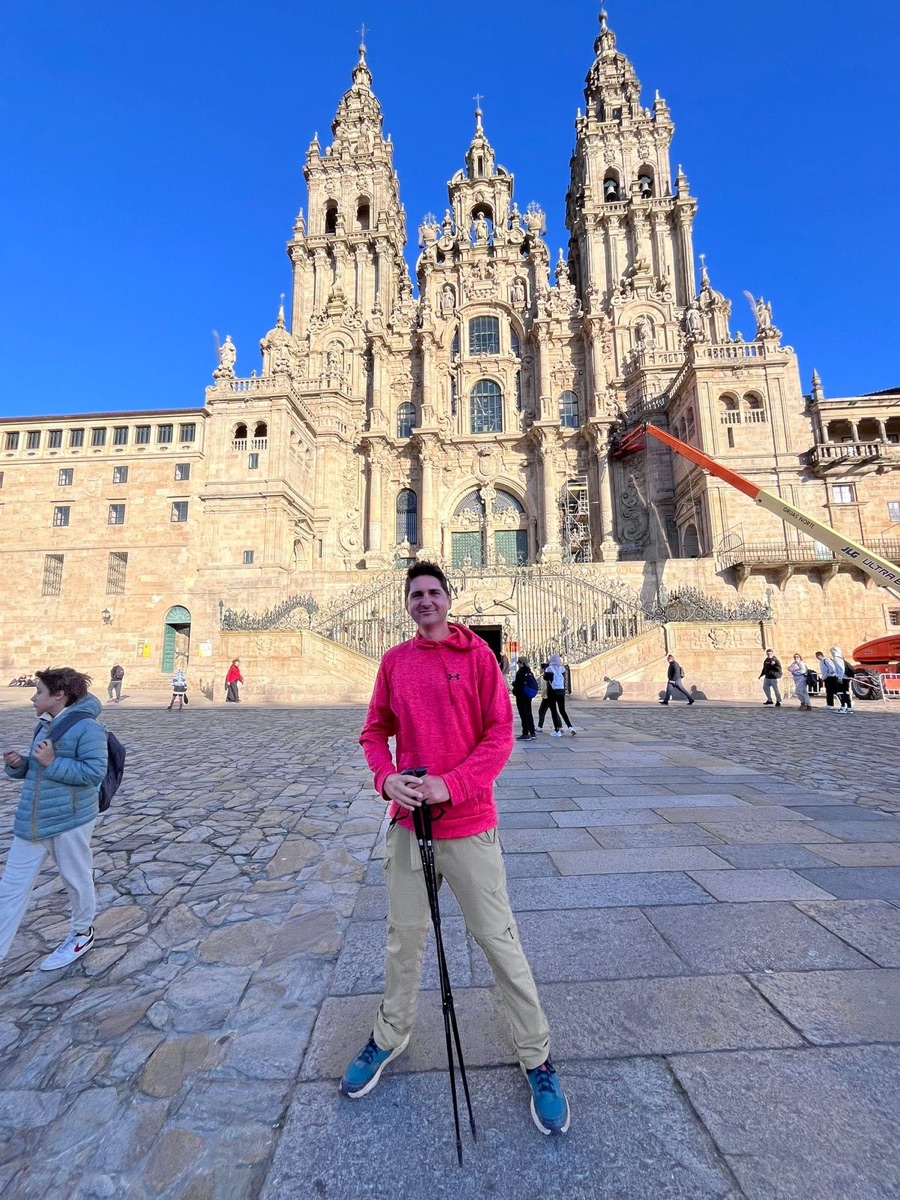
And then, after almost six weeks, you walk into Santiago de Compostela and it is over.
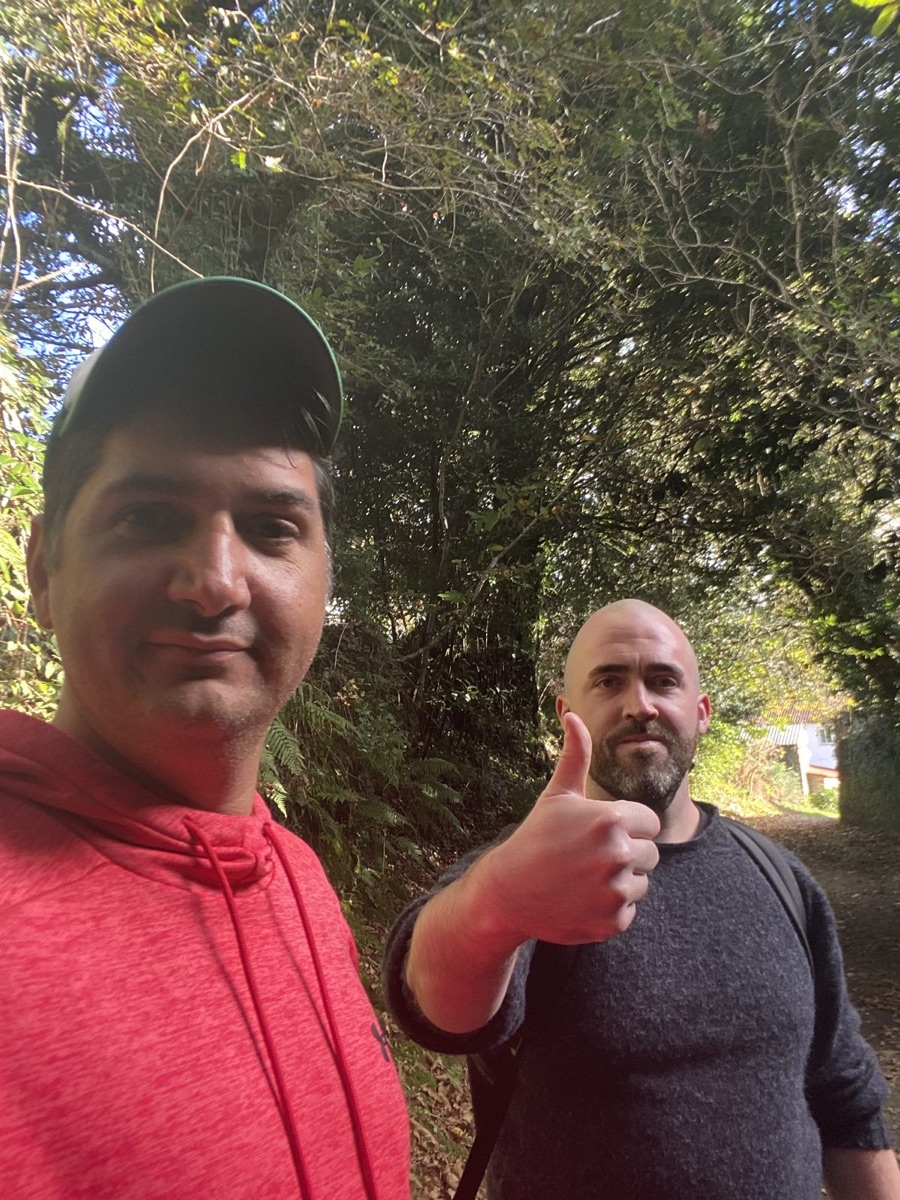
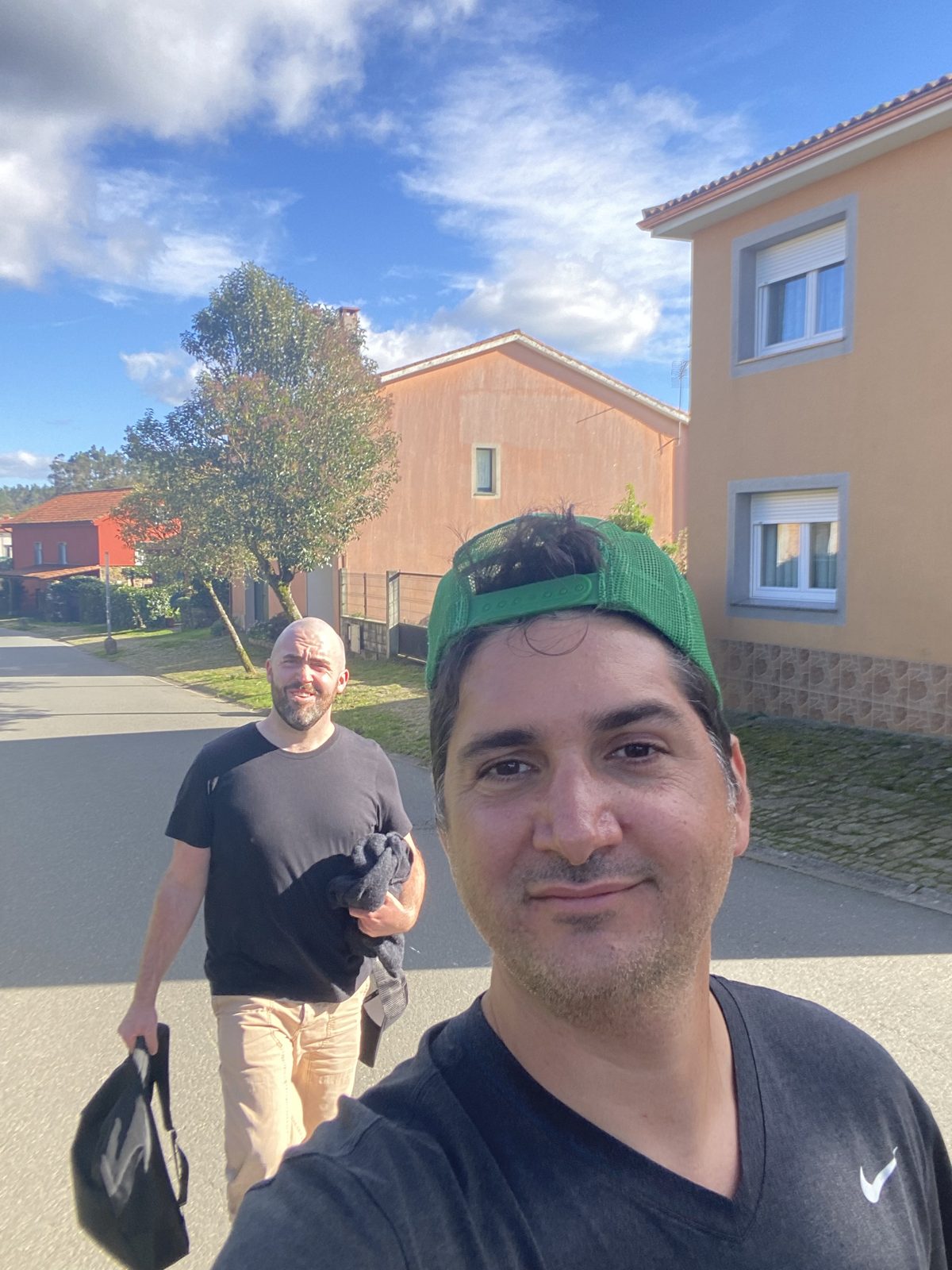
My friend Matthew Kay flew in to walk the final day with me. Matthew is the friend who, a year later, would talk me into the thing that completely changed how I work. For now he just wanted the last day, and we kept a perfectly straight face every time someone congratulated him as if he had walked the whole 900 kilometers. Wow, man. The whole Camino. Incredible.
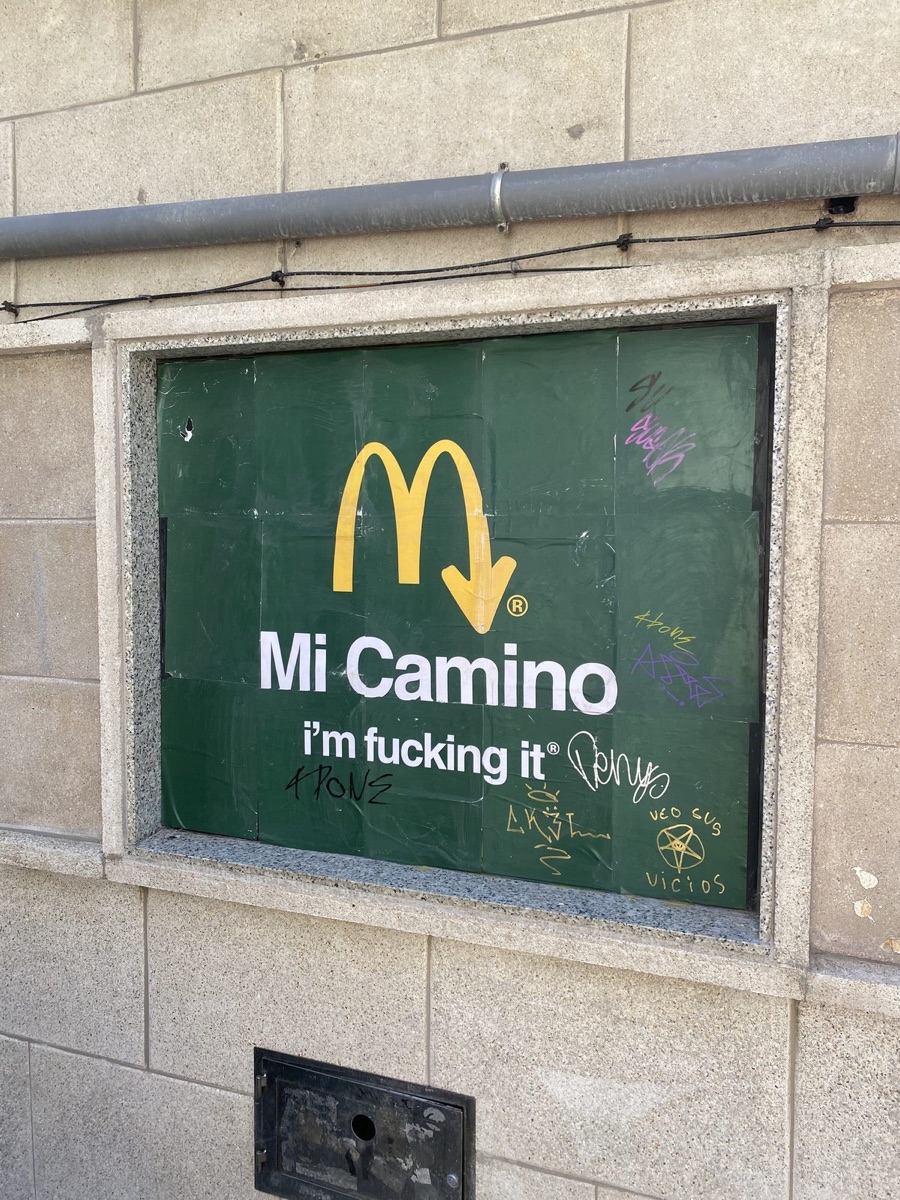
Spain, for the record, has a sense of humor about all of this.
And then the plaza. You turn a corner and the cathedral is simply there, enormous, and the open square in front of it is full of people who have all walked a very long way to stand exactly where you are standing.
There were no fireworks. What I felt was calmer than that. It was relief, a kind of steady pride, and the plain fact of having finished a thing I started after the trail had handed me every reason and every excuse to stop.
The End of the World
Most people stop at the cathedral. I kept going. There is another three or four days of walking west from Santiago to the coast, to a cape called Finisterre. Fisterra. The name means the end of the earth, and for most of human history people believed it was exactly that, the place where the land simply ran out.
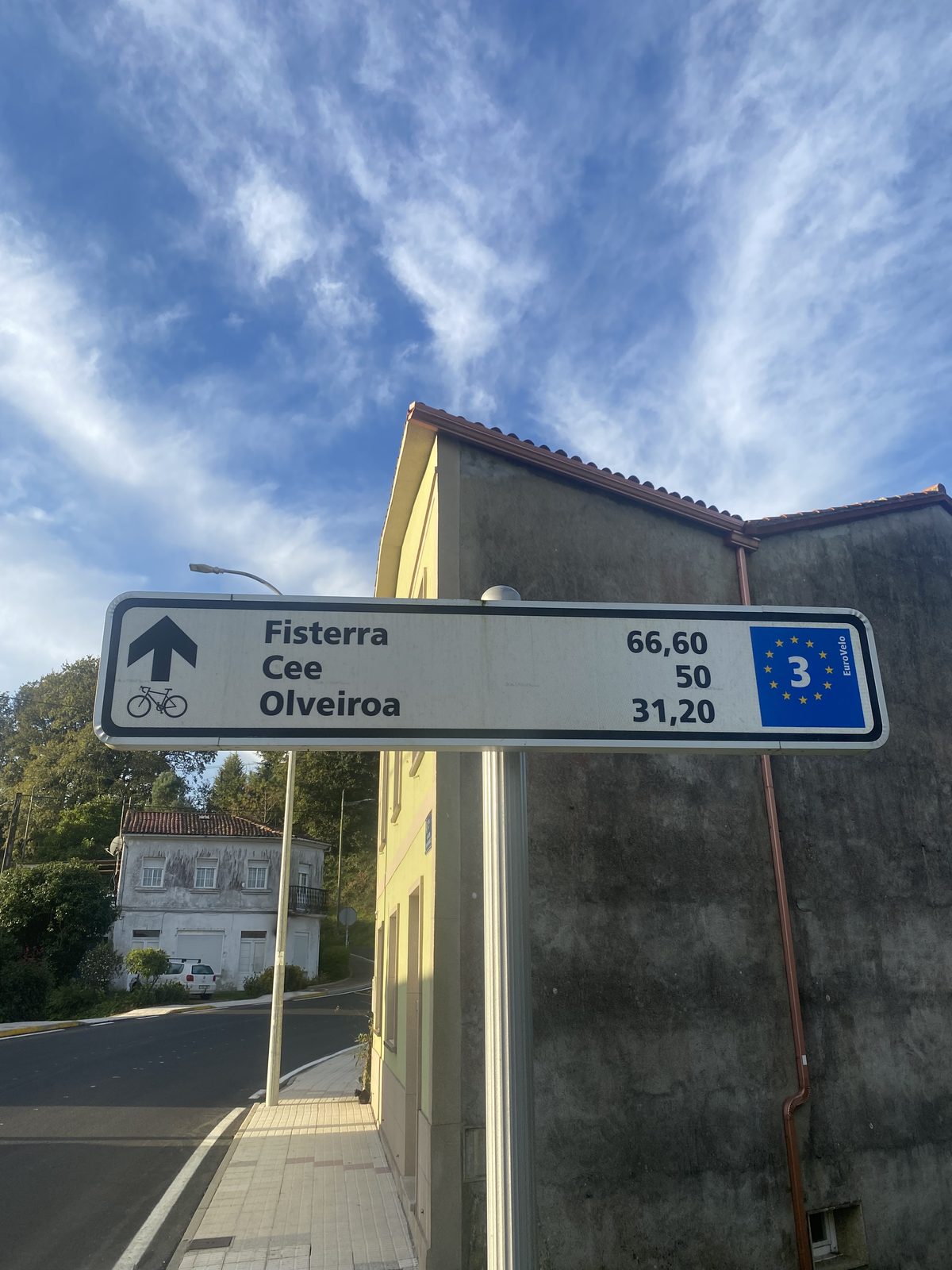
I wanted to walk until there was no more land to walk on. And when I got there, to the rocks at the edge of the Atlantic, I did the thing I had been picturing for weeks. I stripped down and threw myself into the freezing ocean. It was a baptism, more or less, a way to close it for good.
It was not even that cold.
900 Kilometers, in Photos
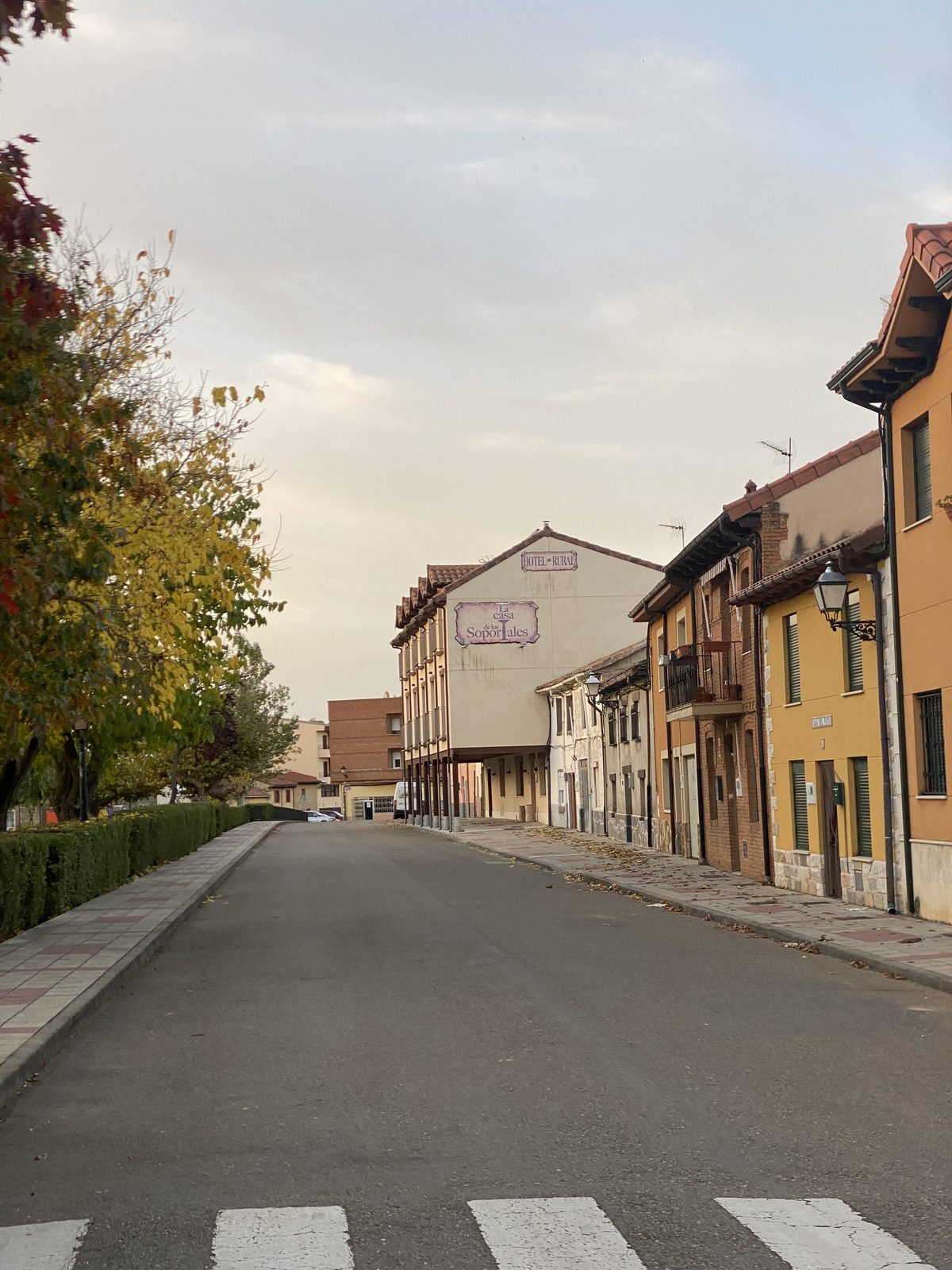
That was six weeks, one country, a few hundred photos. Here are some of the ones that did not fit anywhere else.
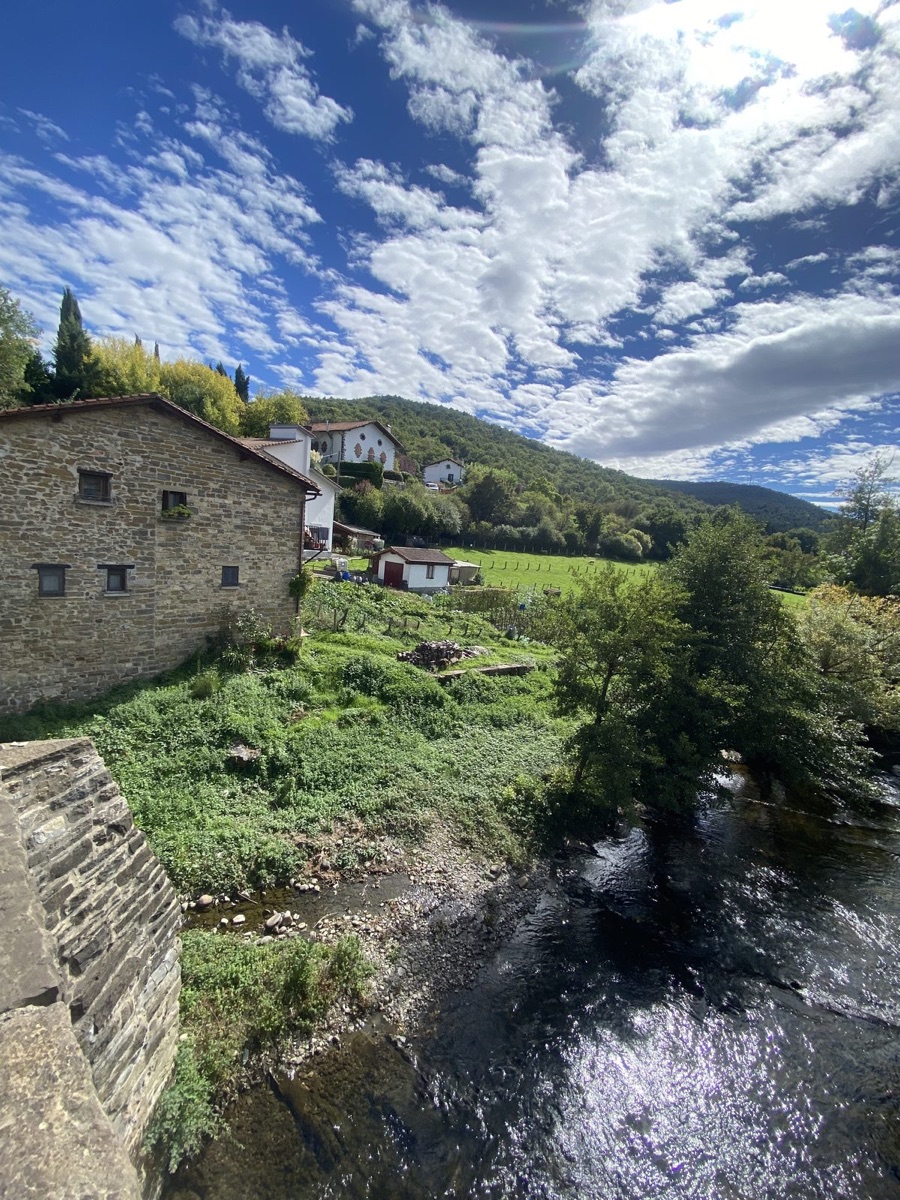
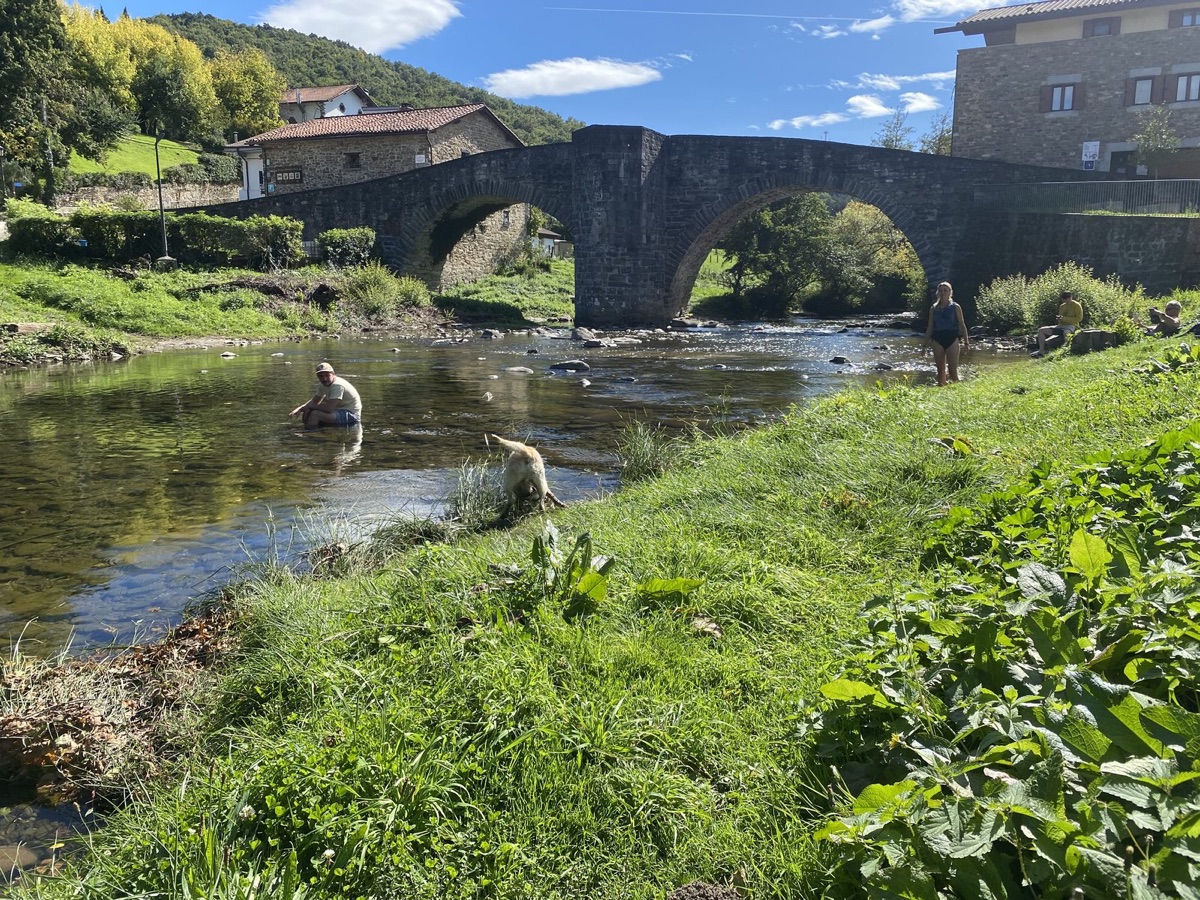
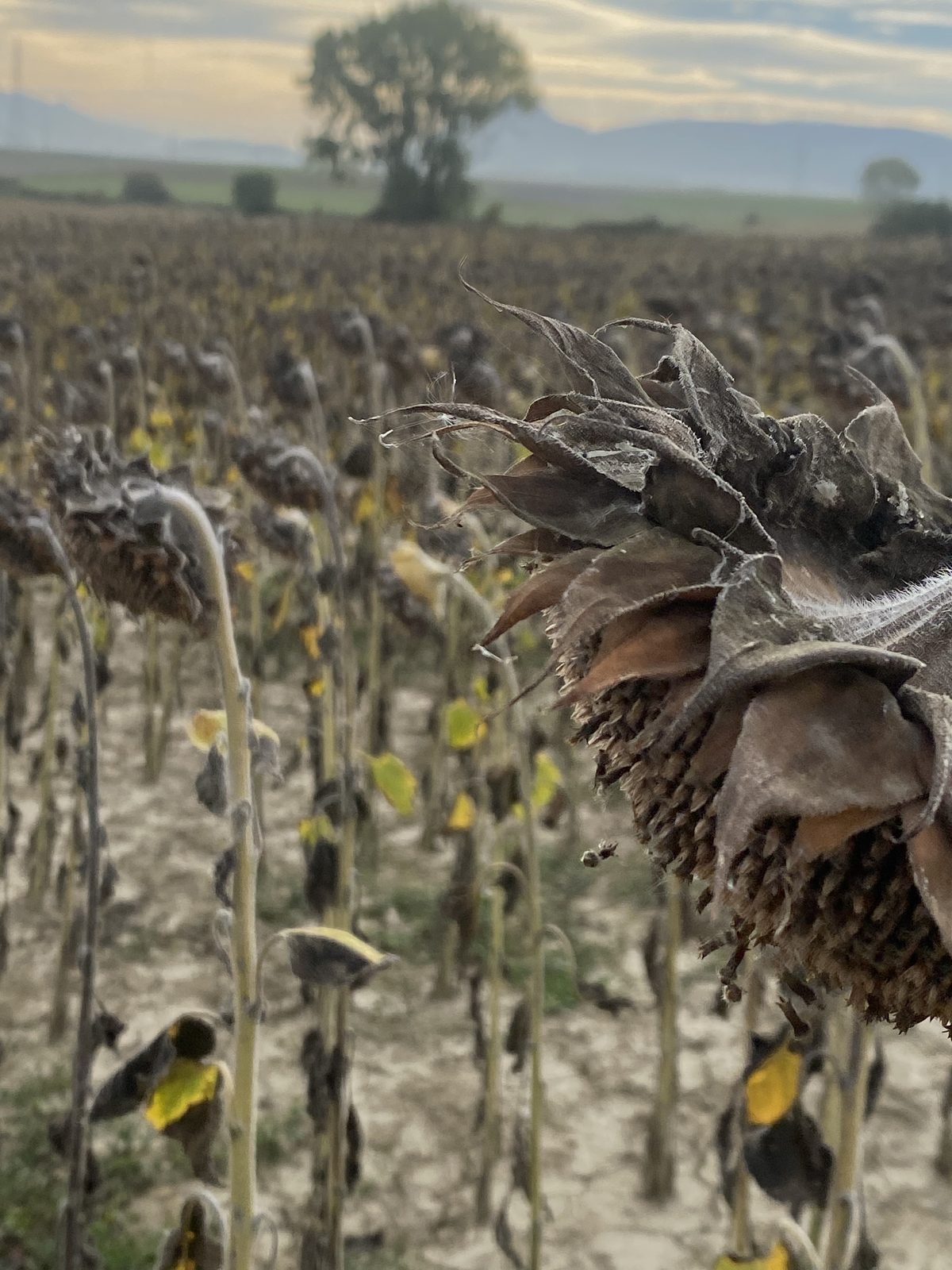
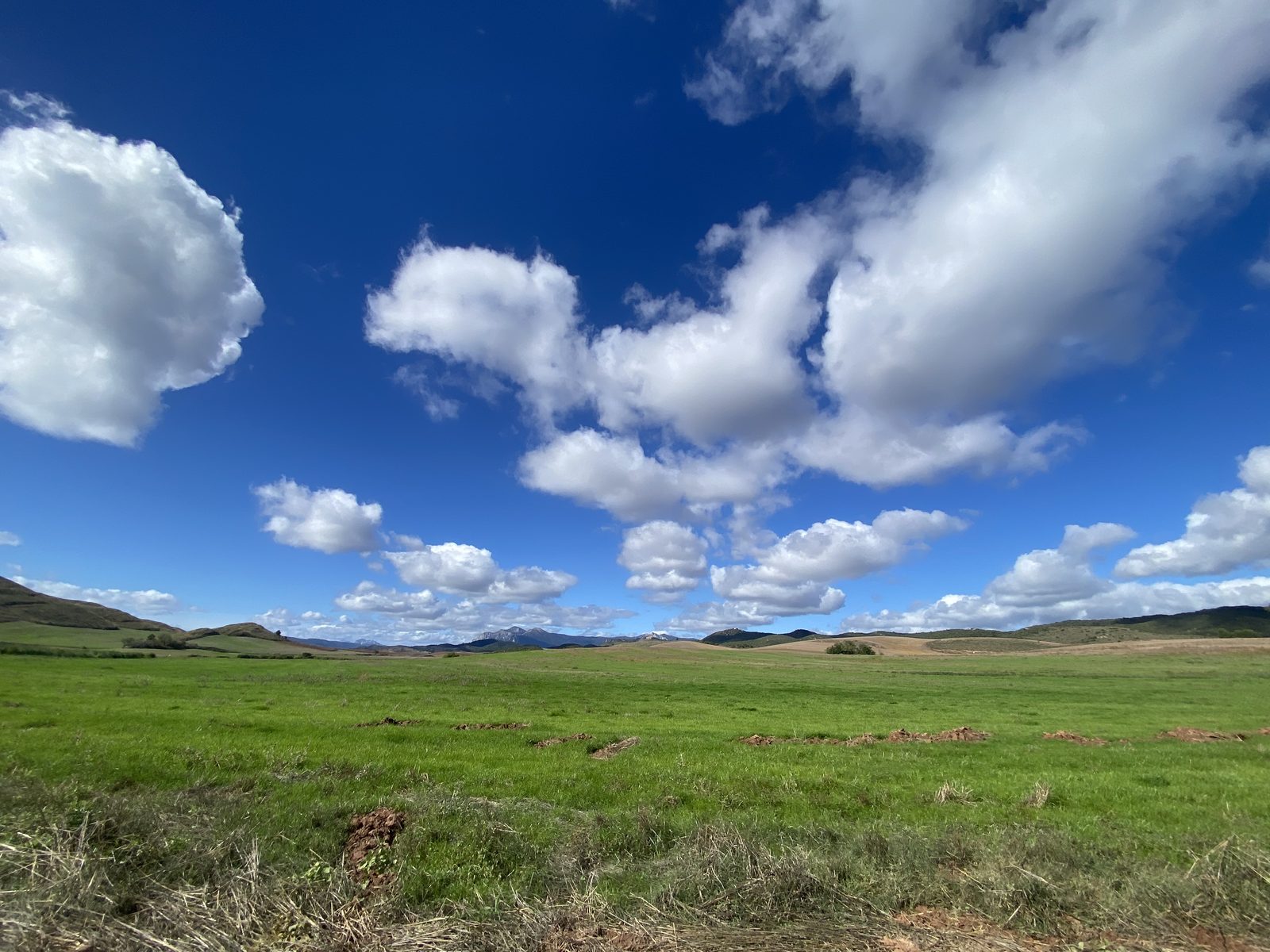
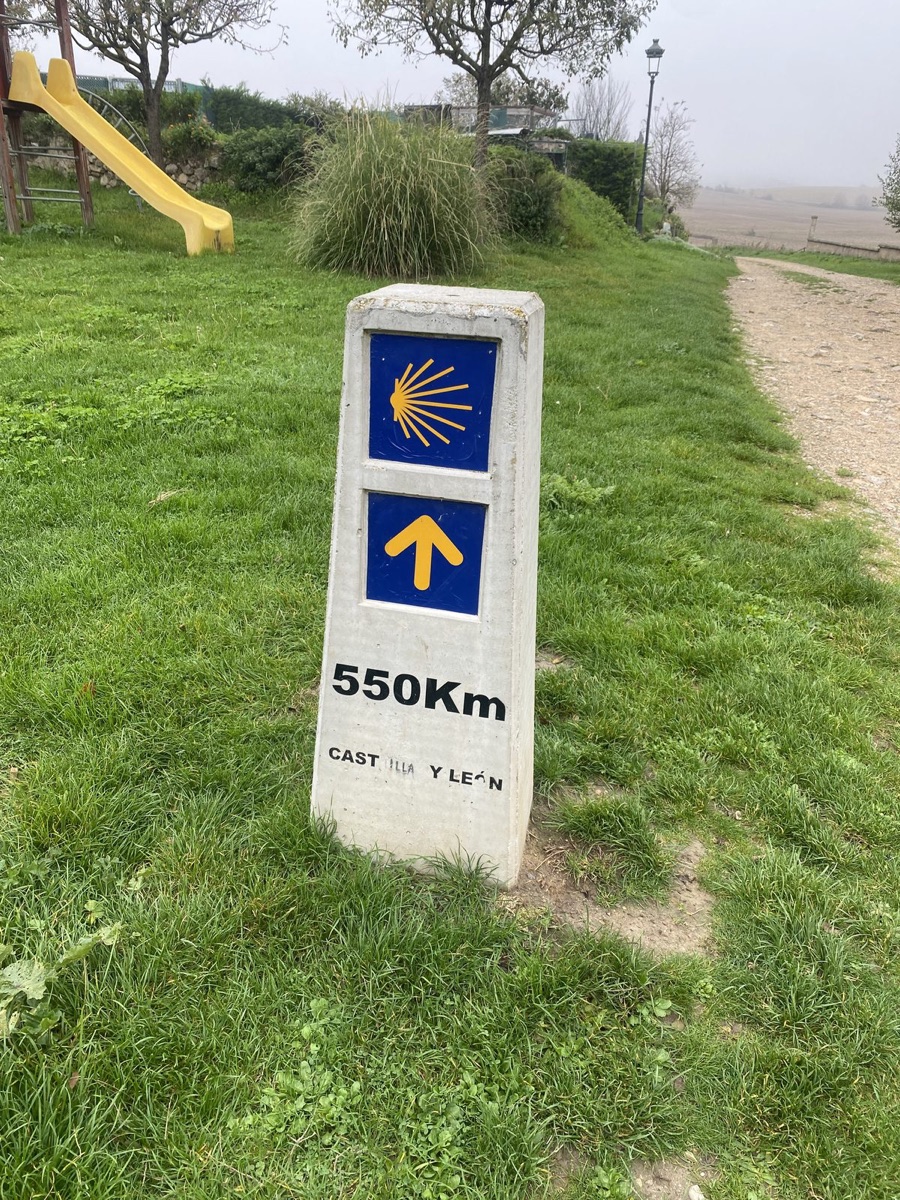
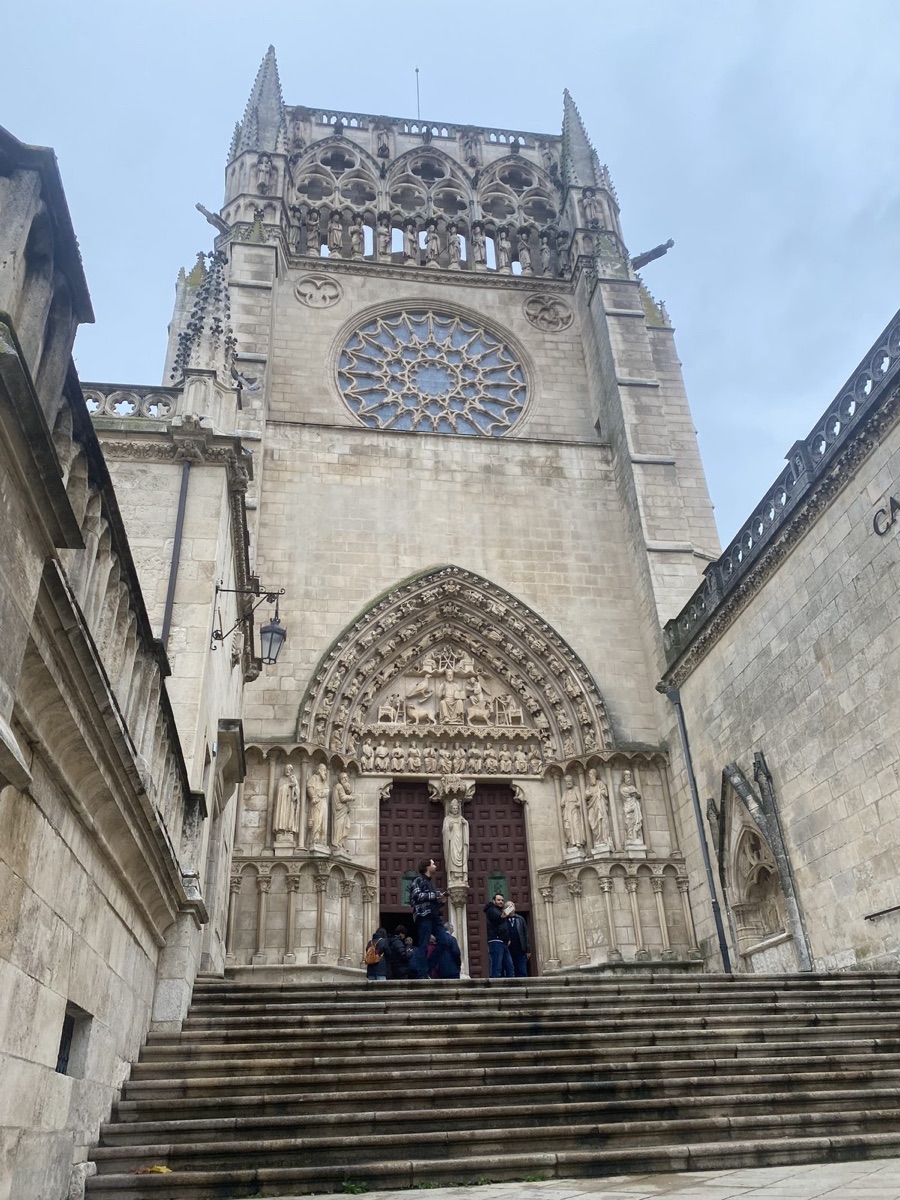
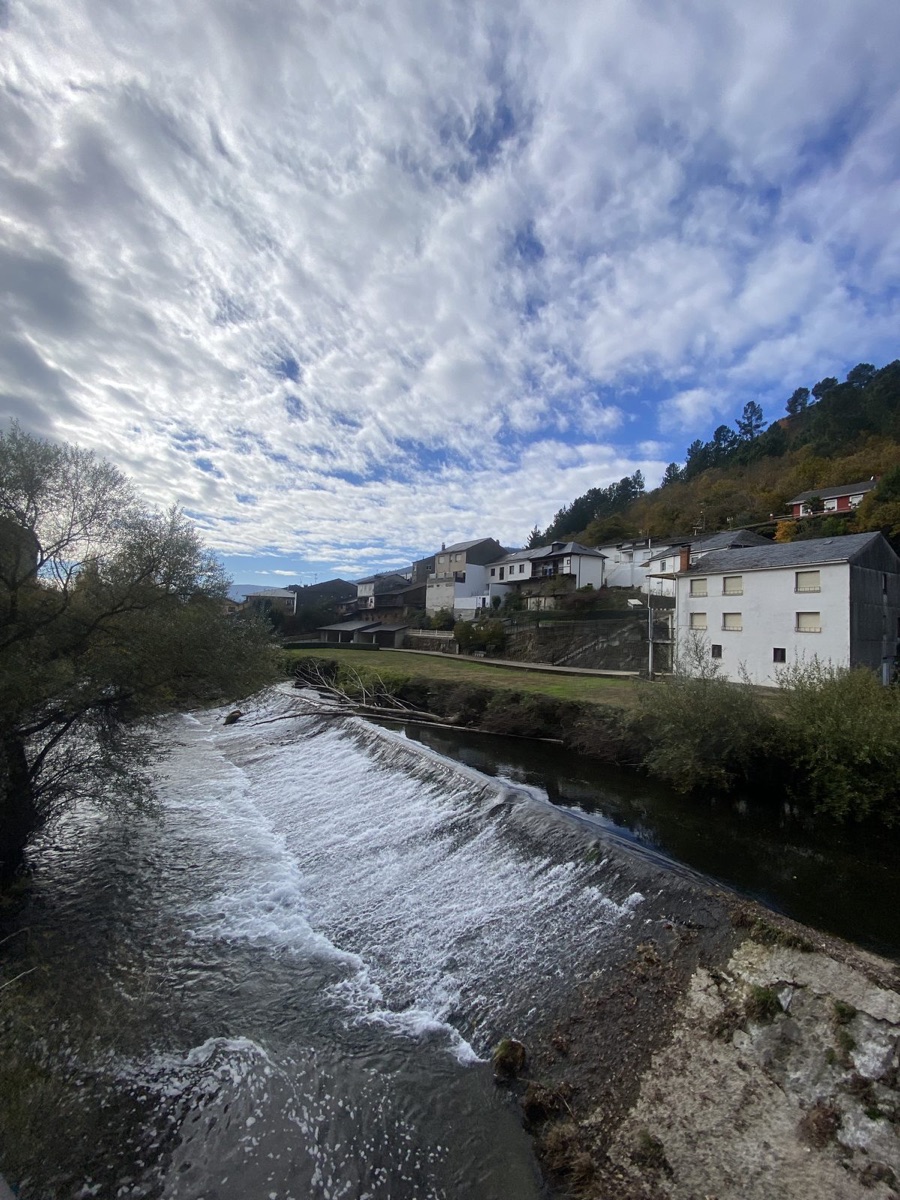
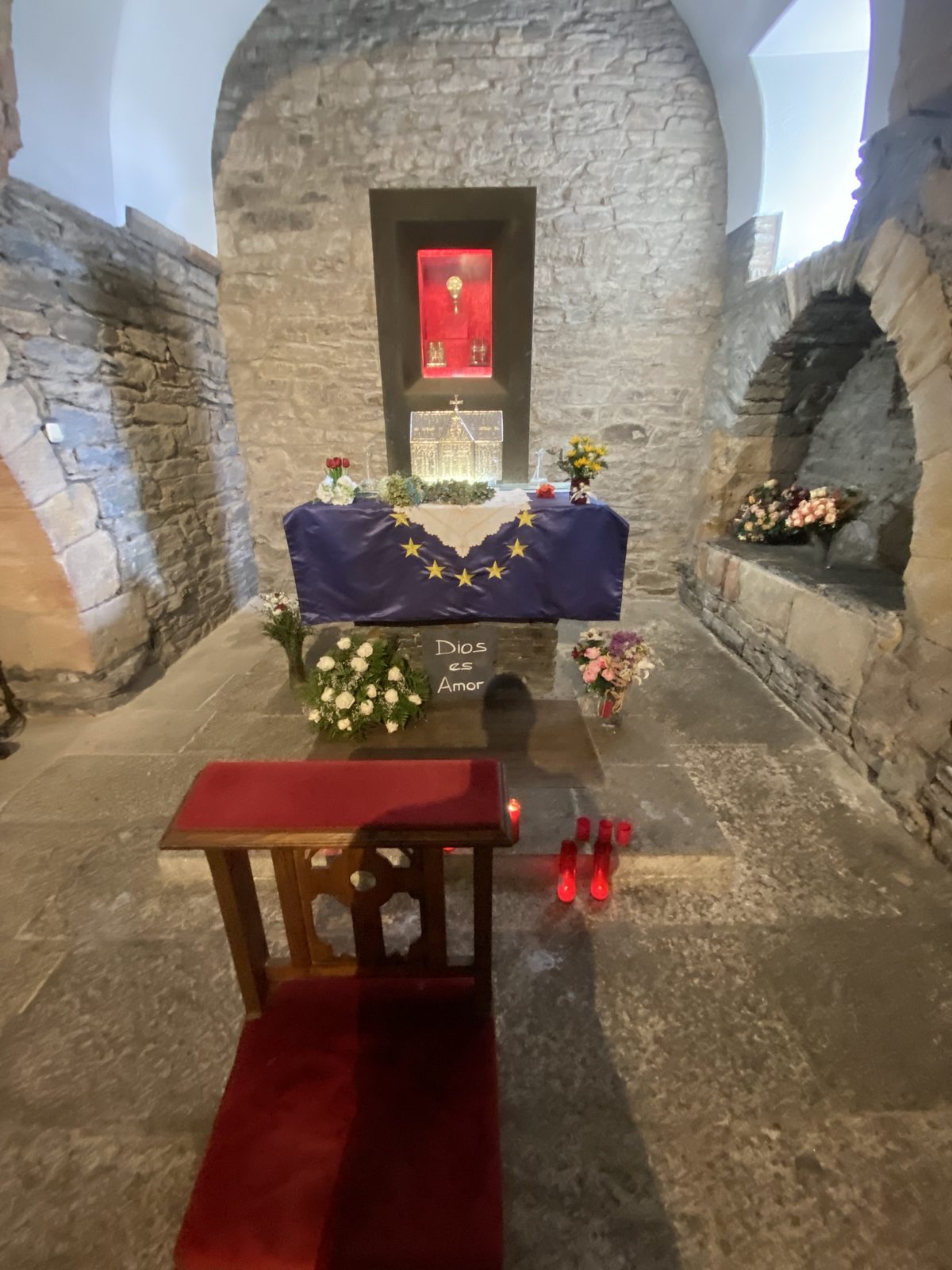
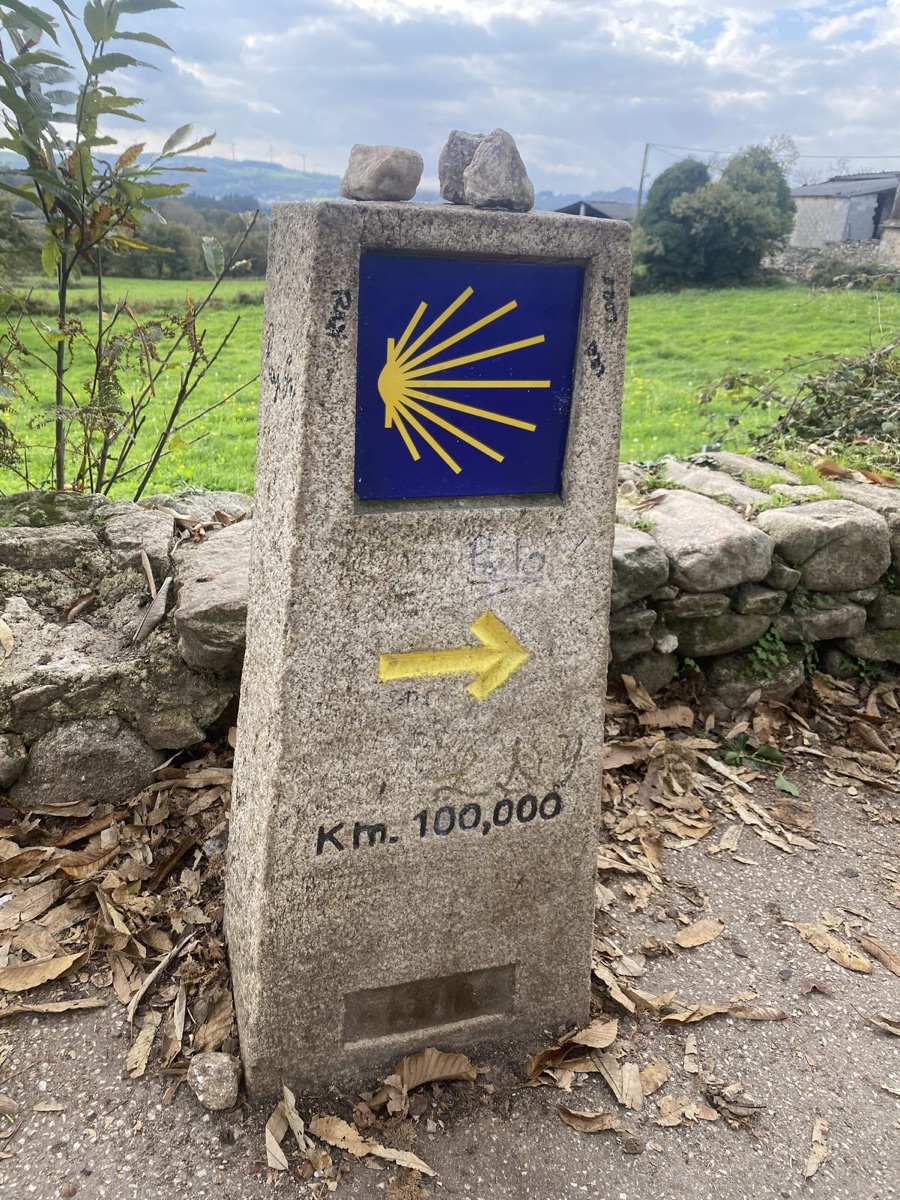
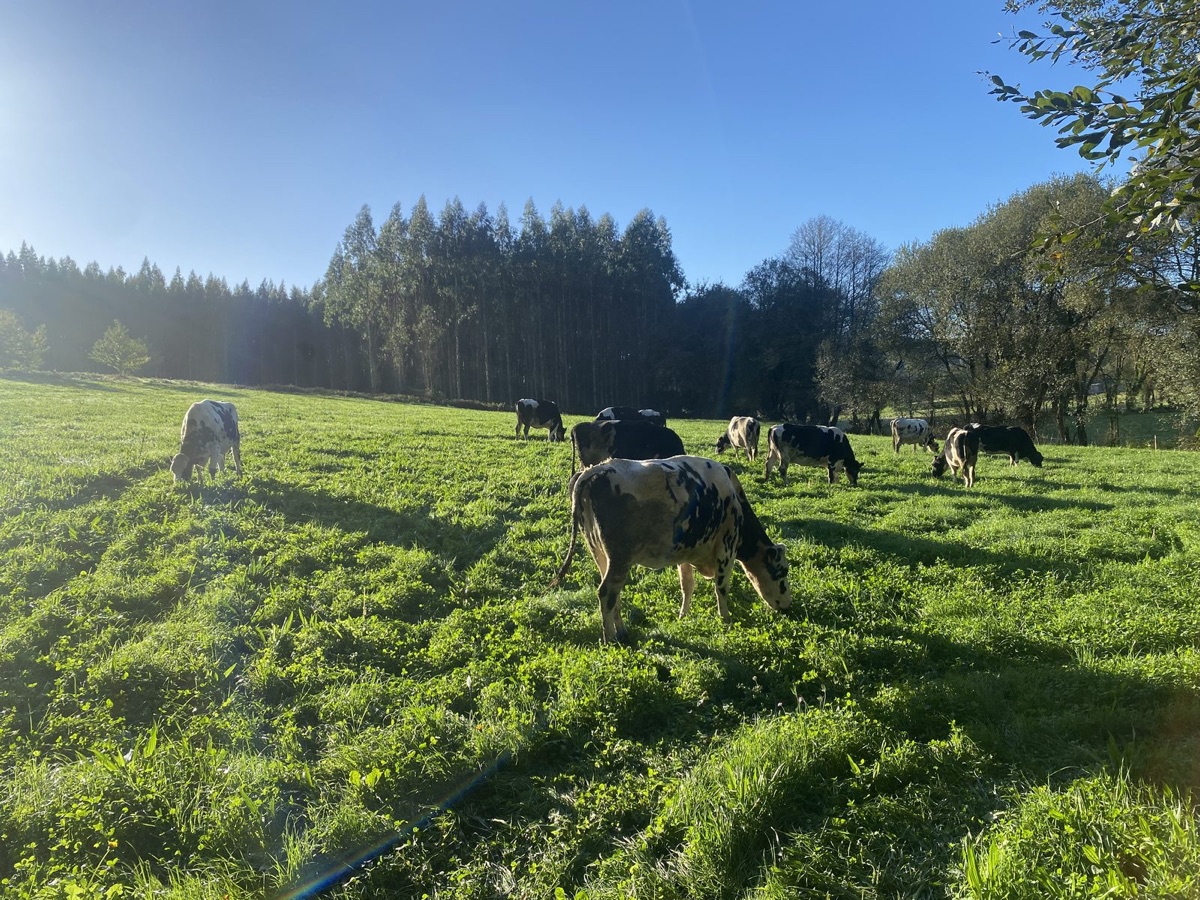
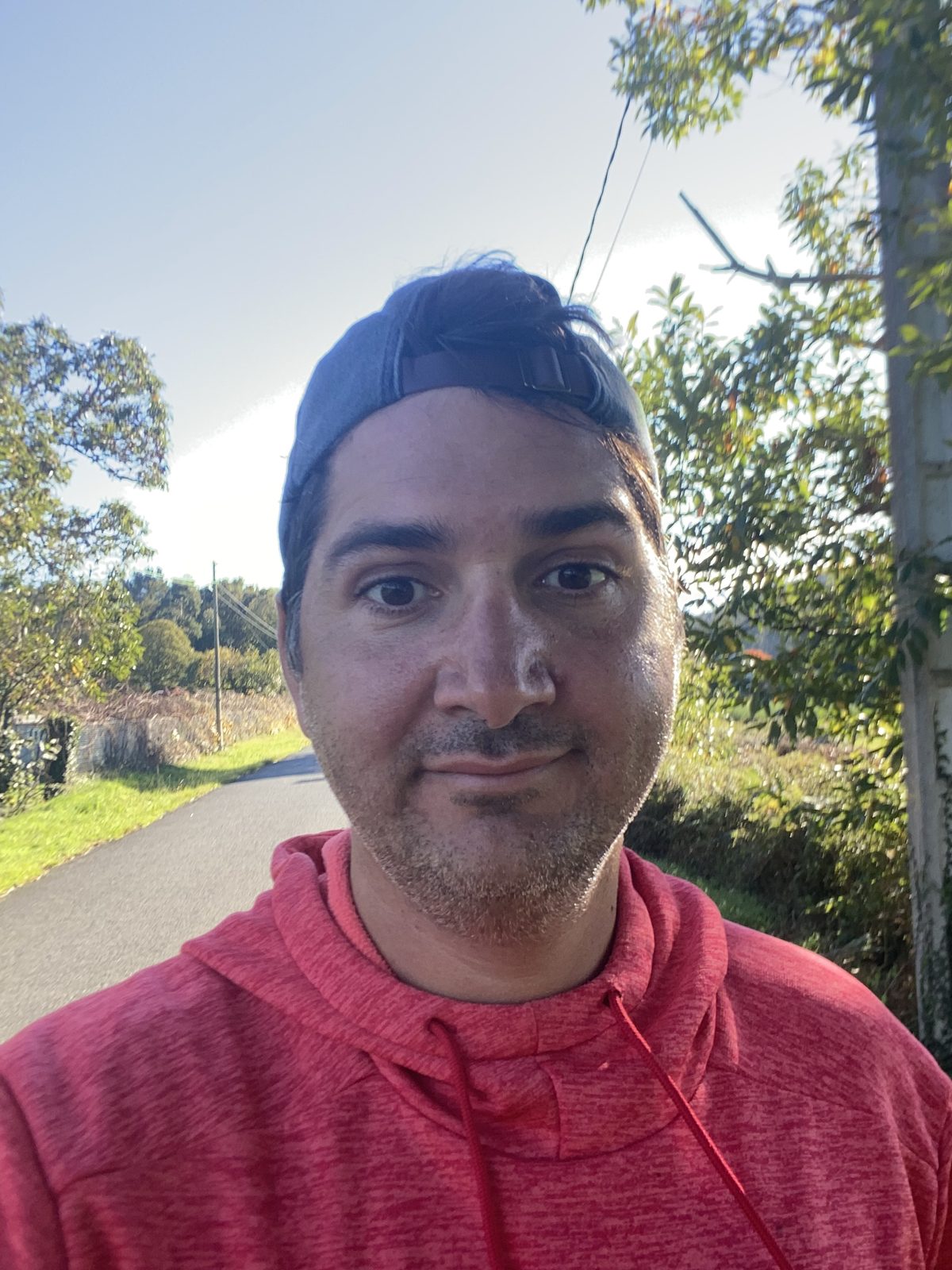
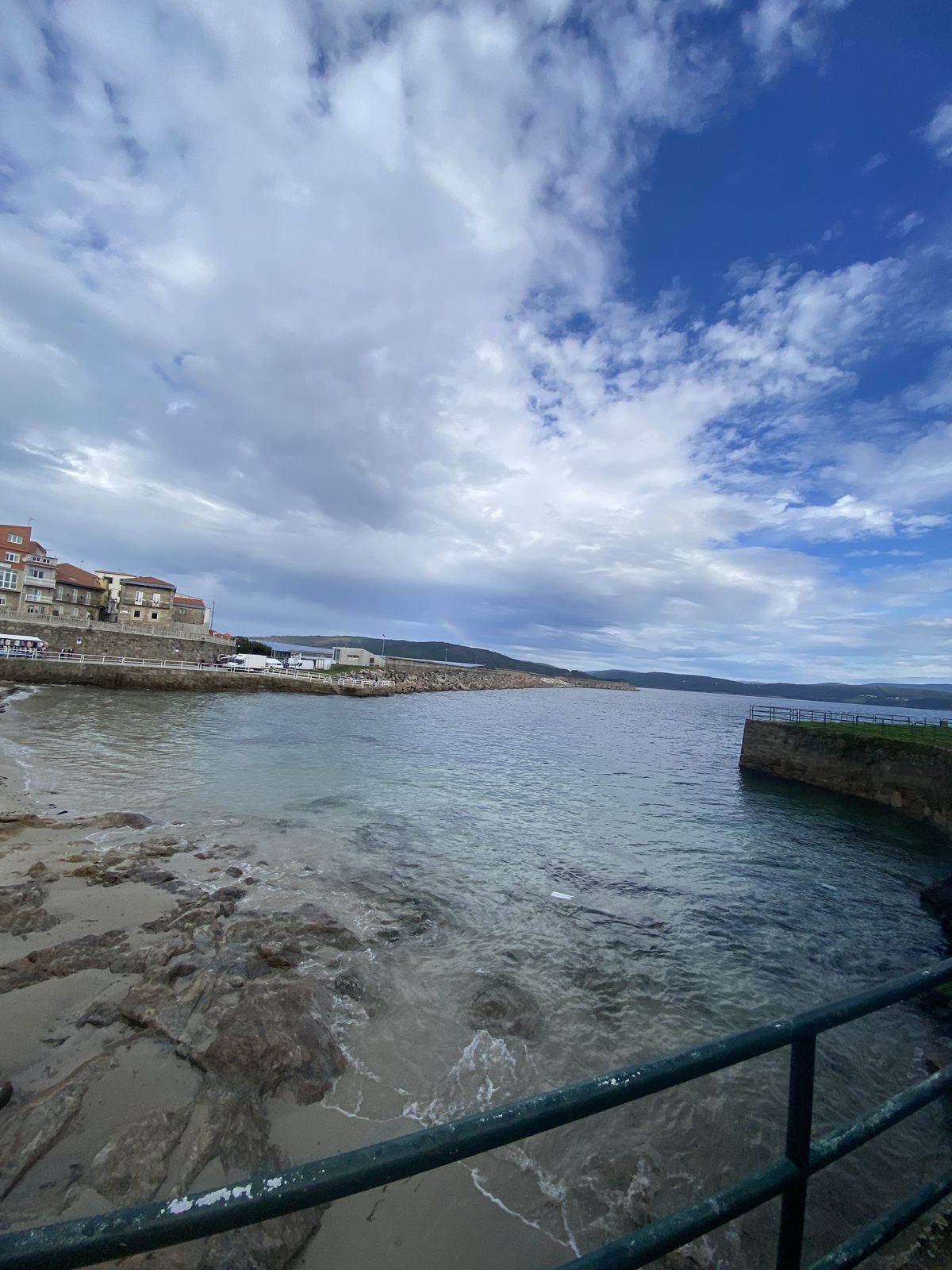
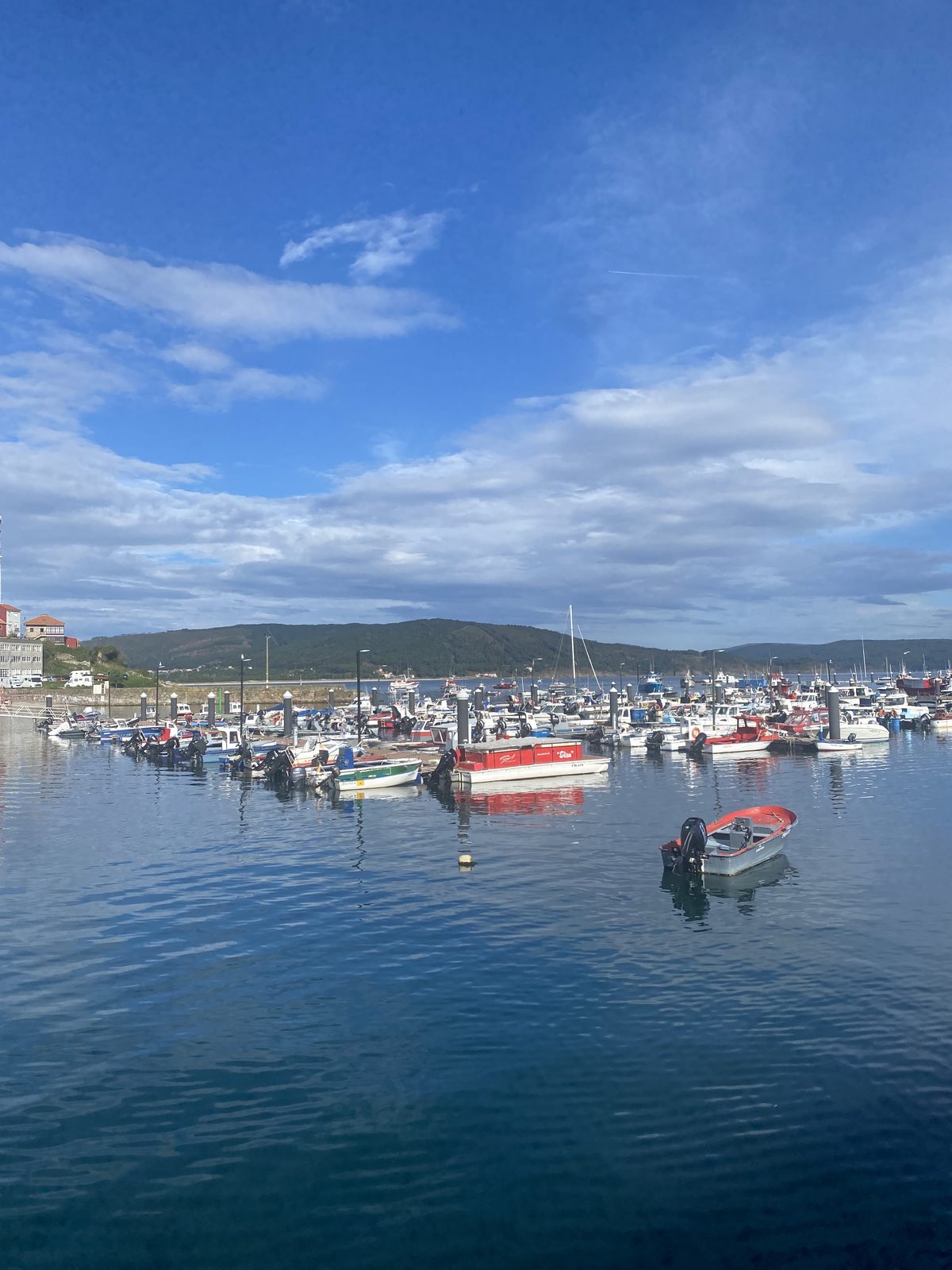
That is the whole walk, more or less, Saint-Jean to the sea, on a bad knee, in the best company.
What I Brought Home
Everyone expects a walk like this to end with the ideas flowing again, with you coming home recharged and full of plans for the company. That would make a tidy ending. What happened instead is that I barely thought about work the whole time. It did not come roaring back. It faded into the background, and then it shrank to its actual size.
That turned out to be the gift. For years, work had been the only thing holding me up. After the walk it was one of several things, and a smaller one than it had ever been.
What I actually came home with was a hunger to live. I started playing piano again, after years of telling myself I did not have the time. I started running, which I had never really done, and that turned into four marathons over the next year and a half. I started taking care of my body. I started, of all things, optimizing for sunsets. For the small things that genuinely make you feel something, instead of the expensive ones that are supposed to.
If I could say one thing to the version of me at that desk in 2024, it would be short. It works out. And you will know when it is time to put something down.
You do not have to walk 900 kilometers. I know how privileged it is to take six weeks and disappear, and most people simply cannot. But most of us could take something. A week. A weekend. One day with the phone switched off. And we do not, because we have decided that the pushing is the point and that stopping is for people who have already made it.
A few things came back down off that trail with me and did not leave. One was that most people you meet are either a gift or a teacher. And there was one I did not expect, the one that rearranged the rest of it. Somewhere out there I wrote in my journal that my real work was to connect good people, one to one, for the conversations that matter, and it took me a while to notice I was describing the company I had already built. The walk did not hand me GrowthMentor. It reminded me why it exists, and that what it really deals in is closer to therapy than to advice.
These days I run in the mornings and play piano, badly, at night, and I watch the sun go down most evenings without reaching for my phone. The walk did not hand me back my old fire. It handed me a smaller, slower life, and I am still living in it.

Founders who've felt the fire go out
Feeling that numbness creep in?
You don't have to walk it alone.
Your path back might not be the Camino. Sometimes it's one honest conversation with a founder who has been exactly where you are. They're a 1:1 call away, every mentor included.
Talk to a mentorKeep reading
More from the GrowthMentor blog
Leadership · Jul 23, 2022
Overwhelmed Startup Founder: Coping With Stress and Burnout
Foti Panagiotakopoulos
Leadership · May 17, 2021
Riding the Wave: Dealing with ADHD as a founder
Nathan Sudds
Mentorship · Nov 30, 2024
The Difference Between Advice and Mentorship (And Why Most People Give Bad Advice)
Foti Panagiotakopoulos
Mentorship · Nov 30, 2024
The Red Flag: Why Talking Too Much Makes You a Terrible Mentor
Foti Panagiotakopoulos
Mentorship · Apr 23, 2026
Solo founder, solo everything, and the cost nobody budgets for
Foti Panagiotakopoulos