TL;DR
- A startup mentorship program connects founders with experienced operators for structured, repeated guidance. Startups that have one are 1.7x more likely to raise and 3.5x more likely to scale.
- There are really five kinds: accelerators, mentorship platforms, nonprofits, peer networks, and internal programs you build yourself. They differ wildly on cost, equity, speed, and who they fit.
- Most founders don't need to build a program. They need to join one that already has the mentors, the matching, and the structure in place.
- What separates a great program from a group chat is boring on paper: good matching, context before each session, and notes you can act on after. That's the whole game.
- GrowthMentor is the plug-in version: a flat membership, no equity, unlimited 1:1 calls with vetted operators, available the week you join instead of the next cohort.
Nearly every founder knows they should have a mentor. Only a fraction do. The research is almost comically lopsided: 76% of people say mentors are important, and just 37% actually have one. The gap isn't belief. It's that “get a mentor” is vague advice, and “build a mentorship program” sounds like a job for a company ten times your size.
So let's make it concrete. This guide covers what a startup mentorship program actually is, the five kinds you can join or build, and how to tell a great one from a glorified Slack channel. Along the way you'll see exactly what a modern one looks like from the inside, because the difference is in the details most guides skip.
What a startup mentorship program actually is
A startup mentorship program is a structured way to get repeated guidance from people who have already done what you're trying to do. The keyword is structured. A one-off coffee with an advisor is a conversation. A program gives you the matching, the cadence, and the follow-through that turn scattered advice into compounding progress.
The payoff is well documented. Startups with mentors are 1.7x more likely to secure funding and 3.5x more likely to scale, and mentored small businesses are 70% more likely to survive their first five years. The mechanism is simple: a good mentor helps you skip the expensive mistakes and make the one decision that matters instead of the ten that don't.
The five kinds of startup mentorship program
“Startup mentorship program” covers five pretty different things. Picking the right one starts with knowing what you're actually choosing between.
The five models, compared
| Type | What it costs | Commitment | Best for |
|---|---|---|---|
| Accelerator (YC, Techstars) | Equity, typically ~6–7% | Fixed 3-month cohort | Raising a round; you want the brand, capital, and network |
| Mentorship platform (GrowthMentor) | Flat membership, no equity | On-demand, as needed | Any stage; you want the right mentor for the problem in front of you |
| Nonprofit (SCORE) | Free | Scheduled, volunteer-led | Bootstrapped or small business; general guidance |
| Peer network (Founders Network) | Annual membership | Ongoing community | Advice from other founders at a similar stage |
| Internal program (you build it) | Your time to run it | Ongoing operations | Companies with enough staff to mentor each other |
- What it costs
- Equity, typically ~6–7%
- Commitment
- Fixed 3-month cohort
- Best for
- Raising a round; you want the brand, capital, and network
- What it costs
- Flat membership, no equity
- Commitment
- On-demand, as needed
- Best for
- Any stage; you want the right mentor for the problem in front of you
- What it costs
- Free
- Commitment
- Scheduled, volunteer-led
- Best for
- Bootstrapped or small business; general guidance
- What it costs
- Annual membership
- Commitment
- Ongoing community
- Best for
- Advice from other founders at a similar stage
- What it costs
- Your time to run it
- Commitment
- Ongoing operations
- Best for
- Companies with enough staff to mentor each other
Accelerators are the famous ones, and for good reason: capital plus a brand plus a dense network, all at once. But they cost equity, they run on a fixed calendar, and they're built for the moment you're raising. For most founders, most of the time, the question isn't “which accelerator,” it's “where do I get the right voice on the specific problem I'm stuck on this week.” That's what a platform is for.
What separates a great program from a group chat
Here's the part most guides skip. The difference between a mentorship program that changes your trajectory and one that fizzles out isn't the caliber of names on the roster. It's three unglamorous things: how well you're matched, whether the mentor has context before you meet, and whether anything survives the call. Get those right and everything compounds. Get them wrong and you're paying for coffee chats.
Start with matching. A great program doesn't hand you a directory and wish you luck. It reads what you're actually working on and points you at the operators who've solved it, then lets you tune the fit yourself.
Take a look at these mentor profiles and edit & tune your challenge accordingly if you want to see different suggestions.
I want to scale paid acquisition but I don’t know what a healthy CAC looks like for my space
Edit & Tune Results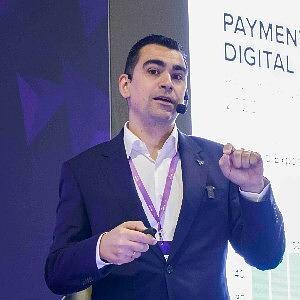
John runs paid acquisition for e-commerce and SaaS brands on Google and Meta ads, and scaling spend without letting CAC run away is the exact problem he takes calls on.

Daniel is a GTM and growth operator for AI and B2B SaaS companies. PPC strategy is one of his core specialties, and he has pressure-tested growth plans across 395 sessions.

Peter has run demand generation and brand for bootstrapped companies where every acquisition dollar has to defend itself. He will push on whether the channel or the positioning is what makes CAC high.
What it looks like from the inside
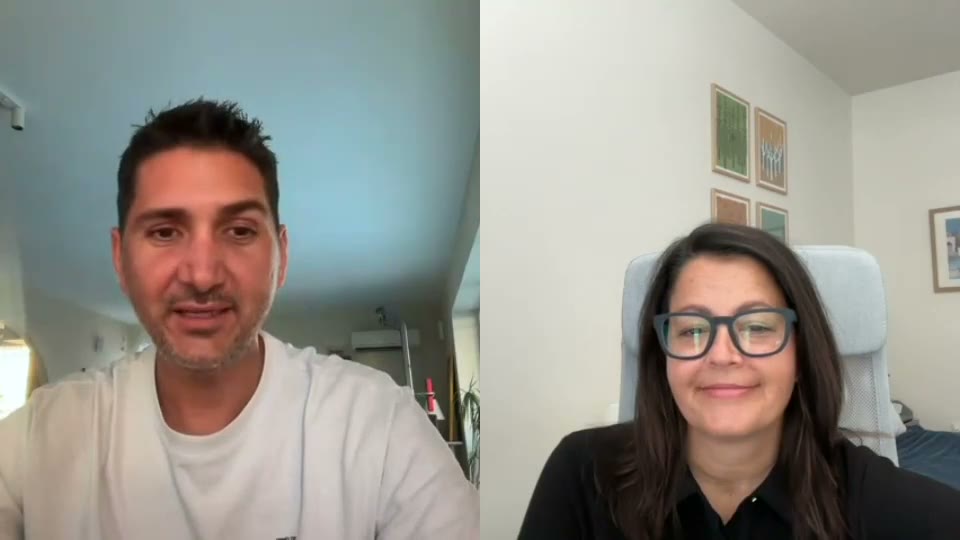
Matching gets you to the right person. From there the session happens right in the browser, no setup, talking it through with an operator who's been where you are. What turns a good conversation into a program is that it doesn't evaporate: a summary lands afterward, so the decisions and next steps are written down while they're fresh, not lost to memory by Monday.
 14:58
14:58Session Summary
You came in unsure whether your paid acquisition could scale, with spend split across Google and Meta and no agreed ceiling for what a customer should cost.
What you’re walking away with:
A working CAC ceiling, a payback rule to hold spend against, and a plan to separate channel reporting before adding budget.
Best moments to revisit:
- 04:12 — Why blended CAC was hiding the Meta vs Google gap
- 08:47 — The six month payback rule, and when to break it
- 12:30 — Broad match spend, and why it goes first
Action items:
- Split CAC reporting by channel before the next spend review.
- Pause broad match campaigns and reallocate to exact match winners.
- Set the CAC ceiling at a third of first-year revenue per customer.
For your next session:
Bring the channel-split numbers. If Meta holds its payback under six months at 20 percent higher spend, the next conversation is creative volume.
And it accrues. A few sessions in, you're not starting from zero each time. The insights stack into something you can actually return to, which is where the compounding really shows up.
Daniel JohnsonPPC budget sanity checkPeter Murphy LewisPositioning teardown before the relaunchHow the good ones stay good: vetting
A mentorship program is only as good as the people in it, which is why the best ones are ruthless about who gets in. Open directories fill up with anyone who calls themselves a mentor. A real program filters hard, so the roster stays worth your time.
Every application read by Foti. Fewer than five in a hundred get in.
The number to ask any program: what share of applicants do you actually accept? If the answer is “most of them,” you're browsing a phone book. If it's a small fraction, someone did the filtering so you don't have to. GrowthMentor accepts under 5%.
The honest cost
Program models don't just differ in format, they differ in what they take from you. An accelerator's price is equity and a fixed three months. A platform's price is a flat membership you can cancel. A nonprofit is free but scheduled around volunteers. None of these is wrong. They're bets with different stakes.
The trap is defaulting to the most expensive option out of FOMO. You don't need to give up 7% of your company to get a second opinion on a pricing page or a go-to-market plan. Most of what founders actually get stuck on is a conversation away, at a fraction of the cost.
the math on a second opinion
The cost of a second opinion collapsed. What stayed rare is knowing whose is worth taking.
The plug-in version
If you've read this far, the recommendation is probably clear by now. For most founders, the smartest startup mentorship program is one you join: the mentors, the matching, the context, and the session history already in place, available the week you sign up. No equity traded, no program to run.
Suggested mentors
A few operators worth talking to, all available to book this month:

Maciej Galkiewicz
Founder and CEO at Ragnarson. Invested in 11 startups.

Felix Wong
Full-stack marketer, data analyst, and angel investor.

Satwik Govindarajula
Co-founder and CEO of Uptiq. Growth advisor.
.jpg)
Sam Eisenberg
Co-founder at Design For Decks. Decks that raised $4b+.

Marcos Bravo C.
Branding, content, and messaging for early startups.
What a month of unlimited calls can look like, with $0 added per session:

Maciej Galkiewicz
Fundraising · Tue 10:00
Felix Wong
Growth channels · Tue 2:00
Satwik Govindarajula
Product-market fit · Wed 11:30

Marcos Bravo
Positioning · Thu 9:00
.jpg)
Sam Eisenberg
Pitch deck · Fri 1:00
60,000+
mentorship sessions booked
Under 5%
of mentor applicants accepted
700+
vetted mentors and operators
Thinking about building your own?
Some organizations genuinely should run their own program: accelerators, larger startups with enough senior people to mentor the juniors, ecosystems supporting a cohort. If that's you, the mechanics that matter are the same three from earlier, at scale. Match on stage, expertise, and working style rather than by hand. Give every mentor context before the session, because a mentor walking in blind burns the first fifteen minutes catching up. And standardize how sessions get documented so you can measure the program quarterly instead of guessing.
The hardest part of building your own is rarely the software. It's the mentor supply. That's the piece a platform solves even for internal programs, and where a network like GrowthMentor's vetted operators can fill the gaps your own bench can't cover.
Start with a conversation
You don't have to choose the biggest, most expensive program to get real mentorship. You have to choose one that matches you well, prepares the mentor, and helps the advice stick. For most founders that means joining a platform, not building a program or trading away equity for one.
Pick the model that fits where you are, and start with a single conversation on the thing you're most stuck on right now. Everything compounds from there.
700+ vetted founders and operators
The mentorship program you don’t have to build.
Join it, and book your first call this week.
One flat membership, unlimited 1:1 calls, every mentor included, no equity. Matching, session summaries, and saved insights built in.
Find your mentorKeep reading
More from the GrowthMentor blog
Fundraising · Mar 21, 2026
The best startup accelerators in the world. Sorted by country, refreshed for 2026.
Foti Panagiotakopoulos
Fundraising · May 05, 2023
Y Combinator alternatives worth your time. Ranked and refreshed for 2026.
Foti Panagiotakopoulos
Mentorship · Feb 07, 2024
How to Find a Mentor For Your Startup (Message Templates Included)
Micah McGuire
Mentorship · Nov 30, 2024
The Difference Between Advice and Mentorship (And Why Most People Give Bad Advice)
Foti Panagiotakopoulos
Mentorship · Apr 29, 2022
Why mentors do it for free. Five reasons, in their own words.
Jessica Volbrecht