The 30-Second Setting That’s Secretly Killing Your Facebook Campaigns

One wrong setting is killing your Facebook campaigns right now, and you can fix it in 30 seconds.
Last month alone, I’ve spotted this exact mistake in seven GrowthMentor sessions. But Matthew’s case haunts me. He’d burned an entire week rebuilding his silicon food bag campaign from scratch. New audiences, fresh creative, budget restructuring, he’d questioned everything except the one setting strangling his delivery.
When I spotted it within 30 seconds of him sharing his screen, the silence stretched for five full seconds. He couldn’t believe something so simple had stolen a week of his life.
Here’s the kicker: you’re probably making the same mistake.
The Algorithm Training Myth That’s Bleeding Your Budget
Matthew’s approach sounded perfectly logical during our GrowthMentor session. Cost-per-result goals? Check. Add-to-cart optimization first? Check. His plan was to “graduate” to purchases once Facebook learned his audience.
“Look, my thinking was that I should let the algorithm learn,” he explained, screen-sharing his dashboard. “Add-to-cart seemed like a good predictor of sales, so I’d optimize for that first, then switch later.”
I get it. I did the exact same thing. In March 2018, I built these elaborate 12-step optimization sequences for a client, convinced I was being sophisticated. Took me four months to realize I was making their campaigns worse. Sometimes, professional means overthinking.
Here’s what happens when you “train” Facebook’s algorithm: you’re fighting a machine learning system designed to optimize for exactly what you tell it. When you optimize for add-to-cart, Facebook finds people who add things to carts. Not people who buy things. People who abandon carts.
The cost-per-result goal? That’s like putting a speed governor on a Formula 1 car precisely when it could accelerate past competitors.
“Well, That’s Your Issue”
During our call, Matthew shared his screen showing a week of data. Impressions spiked day one, then dropped to zero. He’d been troubleshooting everything: audiences, creative fatigue, placements, even pixel setup.
I saw the problem immediately.
“Well, that’s your issue,” I said, probably too casually for someone who’d wrestled with this for seven days. “You’ve got a cost-per-result goal.”
“What is that?” The confusion in his voice was instant. “Should I take that off?”
When someone’s fought a problem for a week, and the solution takes 30 seconds, there’s this awkward moment where you wonder if you should have analyzed longer. But sometimes devastating problems have embarrassingly simple solutions.
The 30-Second Fix That Changes Everything
What happened next still makes me smile. As I walked Matthew through removing the cost-per-result goal and switching from add-to-cart to purchase optimization, I could hear his worldview shifting.
“Wait, that’s it? That’s the whole problem?”
Two clicks. Remove the cost cap. Change the optimization event.
“But shouldn’t the algorithm learn gradually?” he asked.
That’s when I realized how deep this myth runs. Facebook’s machine learning processes 2.5 billion conversion signals daily. When you tell it to optimize for add-to-cart, it doesn’t think, “This human probably wants purchases eventually.” It thinks, “Find me cart abandoners.”
The whole fix took three minutes. His voice cracked slightly when he laughed.
“I can’t believe it’s that simple.”
The Universal Pattern Hidden in Plain Sight
Matthew’s breakthrough opened something bigger. “What else am I probably overcomplicating?” he asked immediately.
That question haunts me about this industry. In at least 5 of the accounts I’ve audited recently, I’ve found this exact issue. The same pattern repeats:
Cost caps that throttle delivery instead of controlling it. Staged optimization sequences that delay learning rather than improve it. Audience restrictions that fight Facebook’s targeting. Attribution windows that confuse the algorithm instead of clarifying it.
We’re trying to be smarter than platforms that employ some of the world’s best machine learning engineers. It’s like an amateur player trying to coach Magnus Carlsen mid-game.
The Breakthrough That Changes Everything
Whether Matthew’s campaign recovered or not, the real transformation was his shift in thinking. “What else am I probably overcomplicating?” became his new default question.
That’s the insight that extends far beyond Facebook settings. How many other areas of your business are you “helping” with unnecessary complexity? How many systems are you trying to outsmart instead of trust?
Sometimes the most valuable thing you can give someone isn’t a solution, it’s permission to stop overcomplicating.
The Uncomfortable Truth About Platform Optimization
The hardest lesson I’ve learned managing millions in ad spend: the platforms usually know better than we do. They’re designed by teams of PhDs who understand machine learning in ways most of us never will.
Our job isn’t to outsmart the algorithm; it’s to give clear instructions and get out of its way.
Right now, someone is spending their weekend rebuilding audiences and testing creative, when their real problem is a single unchecked checkbox. Don’t be that person.
Check your campaigns in the next 10 minutes. Screenshot your current settings, then fix what’s broken. I guarantee half of you will find Matthew’s exact mistake strangling your delivery.
Sometimes the smartest thing you can do is get out of your own way.
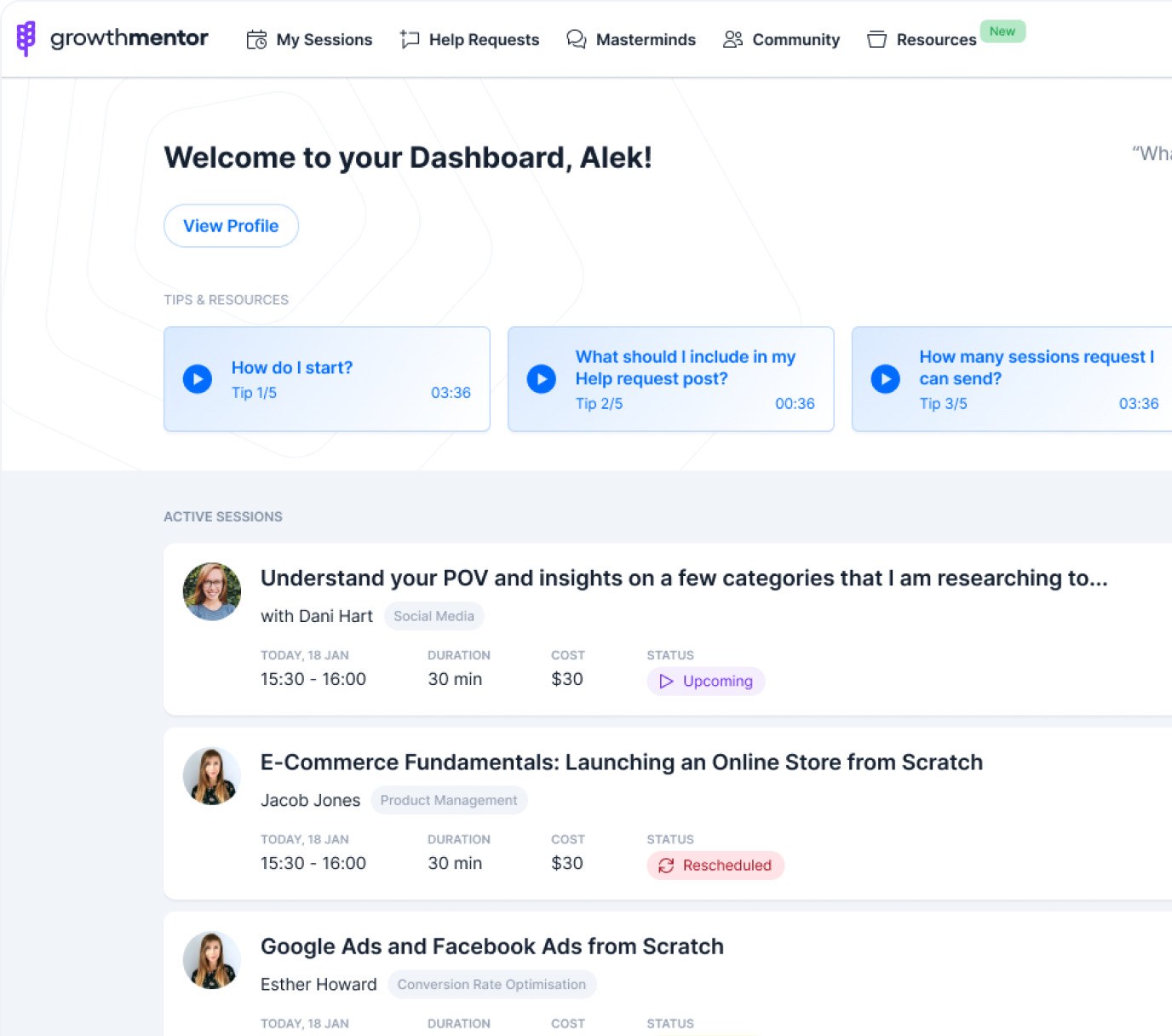
Quick wins like this are exactly why I love these GrowthMentor sessions; you never know when a 30-second fix will save someone weeks of frustration.