Most founders do not go looking for a mastermind group because they want to network. They go looking because they are carrying every decision alone. You have people around you. A co-founder buried in the product, a partner whose eyes glaze over when you talk shop, a ChatGPT tab open at 1am. None of them can tell you the thing you are building is off. That is the gap a mastermind fills: a small room of people at your level who will.
This is a guide to the best business masterminds and entrepreneur masterminds in 2026, written by someone who runs a marketplace of 750+ vetted operators and has watched this exact search play out tens of thousands of times. I will be honest about which rooms are worth the money, including my own.
TL;DR
- A mastermind group is a small, recurring circle of peers, usually 6 to 12 people, who meet to pressure-test each other's decisions and hold each other accountable.
- Cost runs from free community pods to $25,000 to $100,000+ a year for elite rooms. Fit tells you far more than price does.
- Online groups now rival in-person ones. A room of true peers at your stage beats a room that happens to be nearby.
- Most masterminds fail for the same three reasons: the wrong cohort, no real safety, and members who use the room to be reassured instead of challenged.
Start with what you are buying.
What is a mastermind group?
A mastermind group is a small group of peers, usually six to twelve people, who meet regularly to help each other solve problems, make better decisions, and stay accountable to what they said they would do. It is peer to peer, a room of people at roughly your level rather than a teacher at the front.
The idea is old. Napoleon Hill named it in 1925 in The Law of Success and again in his 1937 book Think and Grow Rich, describing a coordination of knowledge and effort between people working toward a definite purpose. The modern version runs on the same machinery: a handful of people who understand your work, meeting on a schedule, telling each other the truth.
It helps to separate it from its neighbors. Coaching has one expert guiding the room; a mastermind is peer to peer. A conference or a one-off call ends when it ends; a mastermind recurs, with the same people, who remember what you committed to last time. Mentoring and advising bring in someone further along; a mastermind is a room of equals wrestling with the same size of problem. The whole point is people who will challenge you because they are in the same fight.
- Group size
- 6 to 12 members, sometimes as few as 3
- Cadence
- Weekly, monthly, or quarterly, on a fixed schedule
- Format
- In-person, online, or hybrid
- Led by
- A peer facilitator or a paid chair, not always a teacher
- Cost
- Free to $100,000+ a year
If what you want is one person further along rather than a room of equals, that is a mentor, and we cover that in our guide to entrepreneur mentorship.
How a mastermind group works
The mechanics are simple, and the simplicity is the point.
A matched cohort
A group at a similar stage, with enough in common to understand each other and enough difference to bring new angles. Who is in the room is the single biggest factor in whether it works.
A fixed cadence
The group meets on a schedule, anywhere from weekly to quarterly. The schedule is what turns good intentions into a habit you cannot skip without the room noticing.
The hot seat
One member brings a real problem and the rest dig in. Everyone gets a turn over time, so you give as much as you take.
Witnessed commitments
You say out loud what you will do before the next meeting, and people remember. The best groups open every session with the same question: what did you do since we last spoke?
That last part is the engine. The operators who coach this for a living keep coming back to the same move: turn a vague intention into a time-bound commitment that someone witnesses. A mastermind is a machine for doing that on a schedule, which is exactly what a solo founder loses the day they stop having a boss.
Who masterminds are for (and who they're not)
If you are a solo founder or the only person doing your job, you already know the specific version of alone this solves. No boss, so nothing has a real deadline. No peer who gets the work, so every call happens inside your own head. Founders often describe wanting a virtual boss, someone who hands them a deadline so they follow through. A mastermind is that, plus a reality check you cannot give yourself because you are too close to your own company.
A mastermind is a good fit if
- You are structurally alone and decisions pile up in your head
- You will show up on the cadence and do the homework between sessions
- You want peers who will challenge you, not an audience that claps
- Generic advice has stopped helping and you need people who know your stage
It's the wrong tool if
- You want one expert to tell you what to do (you want a mentor or a coach)
- You are looking for reassurance more than a challenge
- You cannot commit to a regular schedule right now
- You are pre-idea and just need to start (a community is cheaper)
What do mastermind groups cost?
Mastermind group cost runs across three orders of magnitude, from free peer pods to six figures a year, and the number tells you less than you would hope. Here is the honest spread in 2026.
Mastermind group cost by tier (2026)
| Tier | Typical cost | What you get | Who it's for |
|---|---|---|---|
| Community / free | $0 to ~$500/yr | Peer pods inside a larger community, self-organized groups | Early founders on a tight budget |
| Paid online | ~$100 to $1,000/mo | Structured online groups, matched cohorts, facilitation | Bootstrappers and solo founders |
| Premium in-person | ~$2,500 to $25,000/yr | Chair-led CEO groups, retreats, curated rooms | Established owner-operators |
| Elite / curated | $25,000 to $100,000+/yr | Invite-only rooms, a big-name host, the rolodex | 7 to 9 figure founders |
- Typical cost
- $0 to ~$500/yr
- What you get
- Peer pods inside a larger community, self-organized groups
- Who it's for
- Early founders on a tight budget
- Typical cost
- ~$100 to $1,000/mo
- What you get
- Structured online groups, matched cohorts, facilitation
- Who it's for
- Bootstrappers and solo founders
- Typical cost
- ~$2,500 to $25,000/yr
- What you get
- Chair-led CEO groups, retreats, curated rooms
- Who it's for
- Established owner-operators
- Typical cost
- $25,000 to $100,000+/yr
- What you get
- Invite-only rooms, a big-name host, the rolodex
- Who it's for
- 7 to 9 figure founders
What you are paying for is fit and accountability, not access to information. For a lot of founders, a single vetted operator costs a fraction of an elite room and answers the exact question keeping them up. We go deeper on that math in what a business mentor costs.
Online vs in-person masterminds
In-person still has something online cannot fake. A retreat, a dinner, a room you flew to, all raise the stakes and the trust. That is part of what the premium groups are selling, and for some founders it is worth the travel and the price.
But online has closed most of the gap, and for one reason that matters more than the rest: it lets you sit in a room of true peers instead of whoever happens to live nearby. The best online mastermind groups on this list lean into that. MicroConf matches bootstrapped SaaS founders into online pods, Mindvalley Business Mastery runs weekly online calls, and GrowthMentor is online 1:1 by design. A bootstrapped founder in a mid-size city will find better peers in a matched online pod than in any local group. If you want the always-on, one-to-one version of that, we compared the best online mentoring platforms separately.
"Mastermind groups near me": the honest answer
If you are searching for a mastermind group near you, here is the straight answer. The big membership organizations on this list, EO, Vistage, YPO, and BNI, run local chapters in cities worldwide, so near me usually means find the nearest chapter. That is a real option and a good one if a strong chapter exists where you are.
The harder truth is that proximity matters less than it used to. A group of six people at your exact stage, met over video, will usually out-help a local group you joined mainly because it was close. Geography was worth optimizing for when the only option was driving to a hotel conference room. It stopped being the constraint a while ago. If what you want is a broad room to belong to rather than a tight accountability pod, that is a community, and we keep current lists of the best founder communities and the best marketing communities if marketing is your world.





Skip the waitlist. Talk to the right operator this week.
A mastermind locks you into one room for a year. GrowthMentor gives you a different vetted founder or operator for every problem. One membership, unlimited 1:1 calls, every mentor included.
Part 1
The 18 best mastermind groups for entrepreneurs in 2026
GrowthMentor
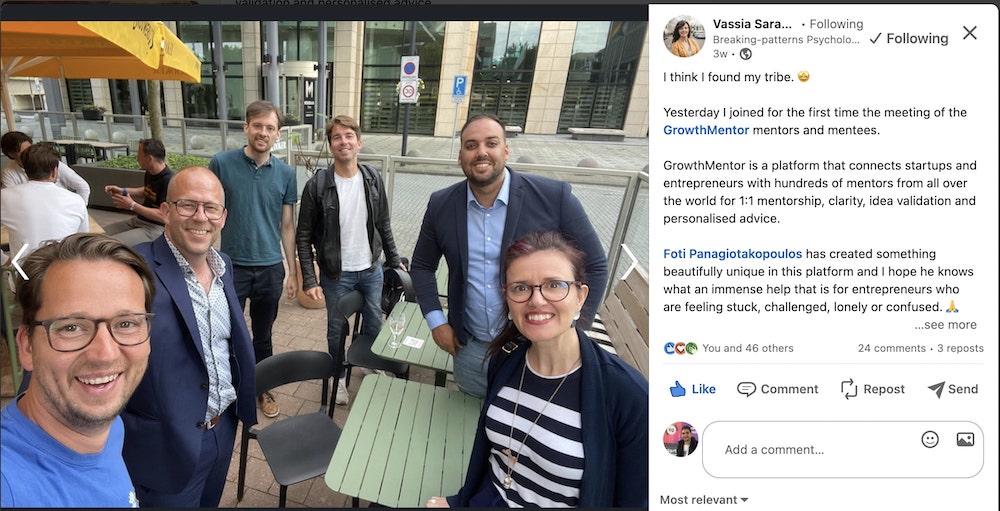
Full disclosure, this one is mine, and it is not a mastermind in the classic sense. GrowthMentor runs City Squads, small local groups of founders and marketers who meet in Slack and in person to swap local opportunities and help each other grow. But the part most members lean on is the on-demand one: book a 1:1 with a vetted founder or operator who has already solved the thing in front of you.
We ran traditional group masterminds for years. The honest feedback was that members preferred the 1:1 calls and the always-on Slack to a fixed group slot, so that is what we lean into. No cohort to wait for, no five-figure check, a different room for every problem on the day you have it.
A premium mastermind also sells you the part that happens in person: the retreat, the annual room you fly to. We have a version of that, without the locked cohort. Our #IRL events pull members together offline, on the bet that as everything goes AI, the people worth knowing are the ones who still show up. And every September we fly our most-reviewed mentors to Greece for the Midas Trip, four years running, more than fifty mentors flown so far. It is the clearest sign the community behind the calls is a real one.
- Best for
- Founders who want on-demand peer input without a year-long commitment
- Format
- Online 1:1 calls plus local City Squads (Slack and in-person meetups)
- Cost
- A membership with unlimited 1:1 calls, a fraction of a mastermind's annual fee
- Who it's for
- Any founder or marketer, no revenue gate
- Founded
- 2018 by Foti Panagiotakopoulos
Hampton

The defining founder mastermind of this era, run by Sam Parr of The Hustle. The catch is the door. A $3M revenue floor (or a $3M raise, or a prior $10M exit) and a city-chapter rule lock out most people who go looking for a mastermind list in the first place.
- Best for
- High-growth tech founders who want a vetted peer room
- Format
- Hybrid: in-person Core groups of ~8 plus a private digital community
- Cost
- ~$8,500/yr, refundable within 60 days
- Who it's for
- Founders at $3M+ revenue, $3M+ raised, or a prior $10M+ exit
- Founded
- 2022 by Sam Parr and Joe Speiser
MDS (Million Dollar Sellers)
The one room on this list built only for ecommerce: 750+ vetted founders selling on Amazon, DTC, TikTok Shop, and retail, including the people behind MaryRuth's and Kitsch. The catch is the gate. You need $1M in trailing-twelve-month ecommerce revenue and two interviews to get in, and a SaaS or services founder should look elsewhere.
- Best for
- Ecommerce brand founders who want a vetted room of other sellers
- Format
- Hybrid: always-on private groups and weekly calls, squads of 6 to 8, chapters in 20+ cities, and a member-only Summit
- Cost
- $8,997/yr or $2,495/quarter, refundable within 60 days
- Who it's for
- Founders at $1M+ trailing-twelve-month ecommerce revenue, with dedicated $20M and $100M+ groups
- Founded
- 2016 by Ian Sells
Entrepreneurs' Organization (EO)
Built for real million-dollar owner-operators, and its forums run on a strict rule that defines the whole experience: members speak only from their own experience and never give advice. Founders tend to love that protocol or find it rigid. If you are below the revenue gate, or you want a teacher rather than a room of equals, it is not your group.
- Best for
- Established owner-operators who want forum-style peer accountability
- Format
- Hybrid: 220+ in-person local chapters across 60+ countries, plus virtual learning
- Cost
- ~$2,630/yr dues plus a one-time ~$3,500 initiation, plus chapter dues
- Who it's for
- Owners and founders of companies at $1M+ annual revenue
- Founded
- 1987 by Verne Harnish (as the Young Entrepreneurs' Organization)
Young Presidents' Organization (YPO)

The elite tier with the steepest eligibility bar on this list. If you are not running a company of real scale by your mid-40s you will not qualify, and even then the value rides on your specific chapter.
- Best for
- Young chief executives running companies of real scale
- Format
- Hybrid: in-person chapters and forums plus global events
- Cost
- Application-only, reported ~$4,000 to $5,300/yr dues plus ~$10,000 initiation
- Who it's for
- Under-45 CEOs meeting size gates (e.g. $15M+ revenue or 50+ staff)
- Founded
- 1950
Vistage

You are paying premium dues mainly for your assigned Chair and the other CEOs in the room. Vet the specific local group first, because a weak Chair makes the price hard to justify.
- Best for
- Sitting CEOs of mid-sized companies who want a Chair-led group
- Format
- Hybrid: monthly in-person peer-advisory groups plus 1:1 coaching
- Cost
- ~$13,000 to $22,000/yr plus a ~$2,500 one-time initiation
- Who it's for
- CEOs and owners, typically at $5M+ revenue
- Founded
- 1957
Genius Network
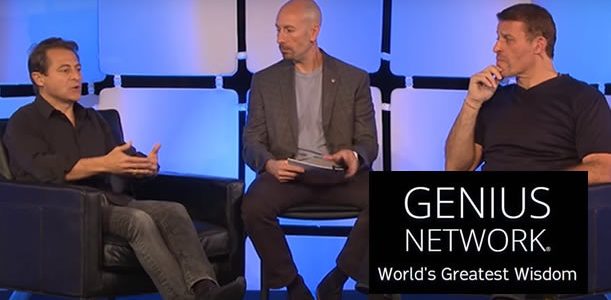
Real and well run for founders who want proximity and connections over tactics. At $25,000 to $100,000 you are buying the room and Joe Polish's rolodex, not a curriculum.
- Best for
- Established 7 to 8 figure founders who value the room and the network
- Format
- Hybrid, US-based: two in-person meetings a year in Arizona plus an online member vault
- Cost
- $25,000/yr core; a separate $100,000/yr tier
- Who it's for
- Vetted, already-successful entrepreneurs who can pay full freight
- Founded
- 2006 by Joe Polish
Strategic Coach
You are buying Dan Sullivan's frameworks and a quarterly workshop rhythm, not an intimate peer group. It suits founders who want a system and a teacher more than a room of equals.
- Best for
- High-earning entrepreneurs who want frameworks and a thinking cadence
- Format
- Hybrid: quarterly in-person and virtual workshops
- Cost
- ~$15,000/yr (~$2,500 deposit); a higher 10x tier runs more
- Who it's for
- Entrepreneurs earning roughly $200K+ in personal income
- Founded
- 1989 by Dan Sullivan and Babs Smith
Scaling Up (CEO Bootcamp)
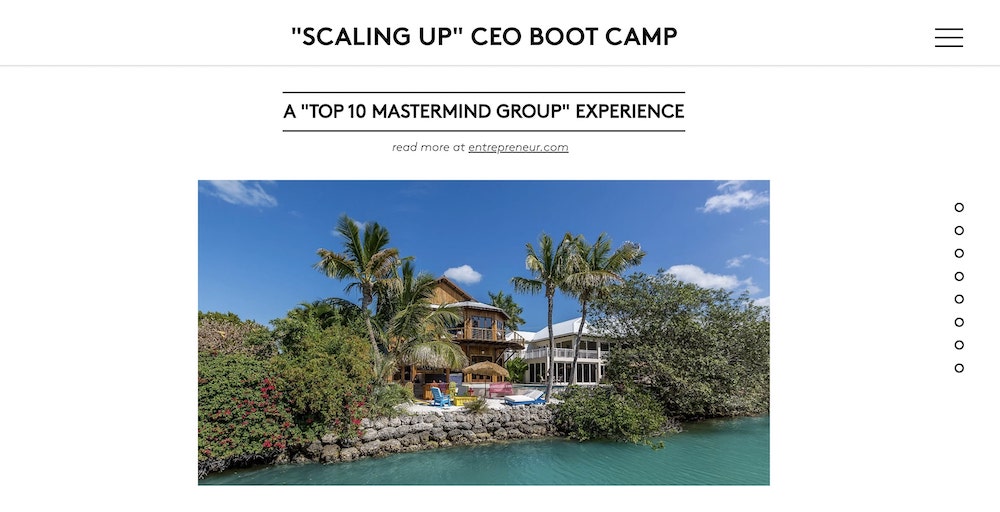
Less a peer room than Verne Harnish's operating system: the one-page Rockefeller Habits plan, quarterly priorities, and a weekly meeting rhythm, run through a network of certified coaches. It fits CEOs who want a repeatable system and will bore a founder chasing a high-status room.
- Best for
- Scaling CEOs who want an operating system, not just a room
- Format
- Hybrid: in-person CEO Bootcamp plus 290+ certified coaches worldwide
- Cost
- Quote-based; bootcamp, workshops, and coaching are priced separately
- Who it's for
- Growth-stage CEOs of $5M to $500M companies, not solo founders
- Founded
- 2014 by Verne Harnish (Gazelles)
Russell Brunson's Inner Circle

Legit if you live in the ClickFunnels and info-marketing world and want Brunson's playbook at scale. The revenue gates and price make it a closed club for people already winning.
- Best for
- Funnel-driven 7 to 9 figure operators scaling an existing offer
- Format
- Hybrid: in-person masterminds plus private events, monthly calls, and a private community
- Cost
- Application-only, tiered: $50,000/yr up to a reported $250,000/yr
- Who it's for
- Two Comma Club winners ($1M+ through a funnel) at their tier's floor
- Founded
- 2015 by Russell Brunson
Mastermind Talks (MMT)
Alive and famous for curation and real relationships over business tactics. The multi-year waitlist and invite gate make it nearly impossible to simply buy your way in.
- Best for
- Values-driven, relationship-first entrepreneurs who want depth over tactics
- Format
- In-person, invite-only annual gathering plus a year-round community
- Cost
- Invite-only; price not published (reported multi-year wait)
- Who it's for
- Heavily curated by referral and application
- Founded
- 2013 by Jayson Gaignard
The Collective Mastermind (Greg Cassar)
A solid mid-market option for Australian and APAC operators who want hands-on marketing help. It is regional, and the broadened health-and-longevity scope can dilute the pure marketing focus.
- Best for
- Australian and APAC SME owners who want digital-marketing growth
- Format
- Hybrid, Australia-based: four in-person intensives a year plus weekly group calls
- Cost
- $997/mo on a 12-month term; a higher mastermind tier priced on application
- Who it's for
- Committed owners able to do a 12-month term (currently capacity-gated)
- Founded
- 2023 by Greg Cassar
MicroConf Masterminds
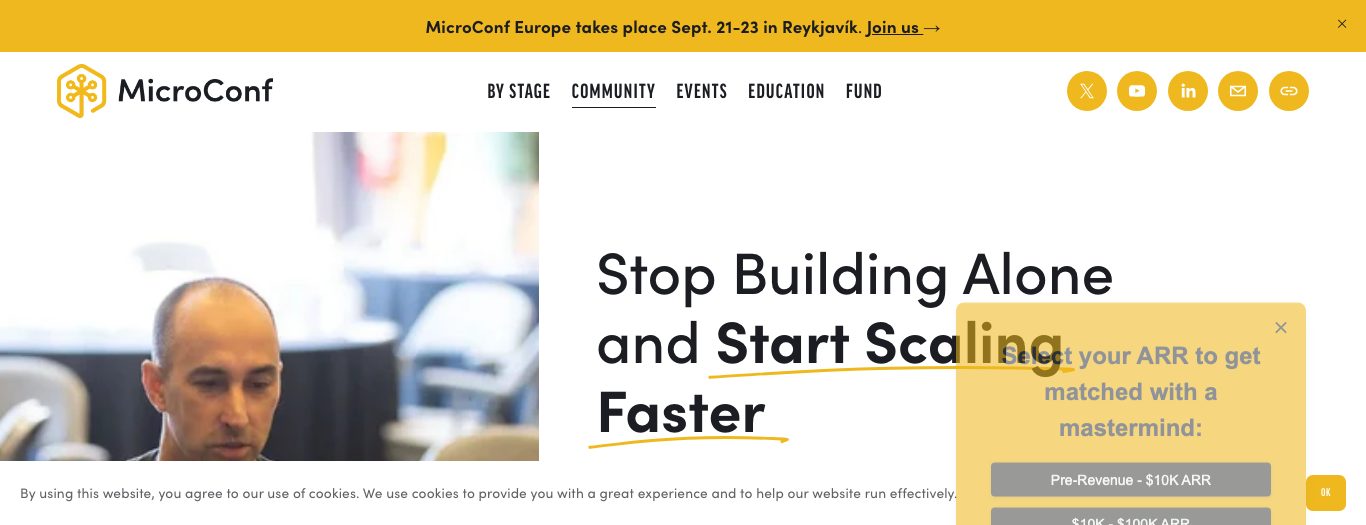
The cleanest pure-play for bootstrapped software founders, and the lowest barrier on this list. You pay once to get matched into a group, and the quality depends entirely on the peers you land with.
- Best for
- Bootstrapped B2B SaaS founders who want an accountability pod at their stage
- Format
- Online, peer-to-peer matched groups (~10-week kickoff, then self-run)
- Cost
- One-time matching fee, $250 to $2,500 by revenue tier; not a recurring membership
- Who it's for
- Early-revenue B2B SaaS founders (the lowest tier starts at $500 ARR), or any prior founder
- Founded
- 2011 (Rob Walling and the TinySeed ecosystem)
Pavilion
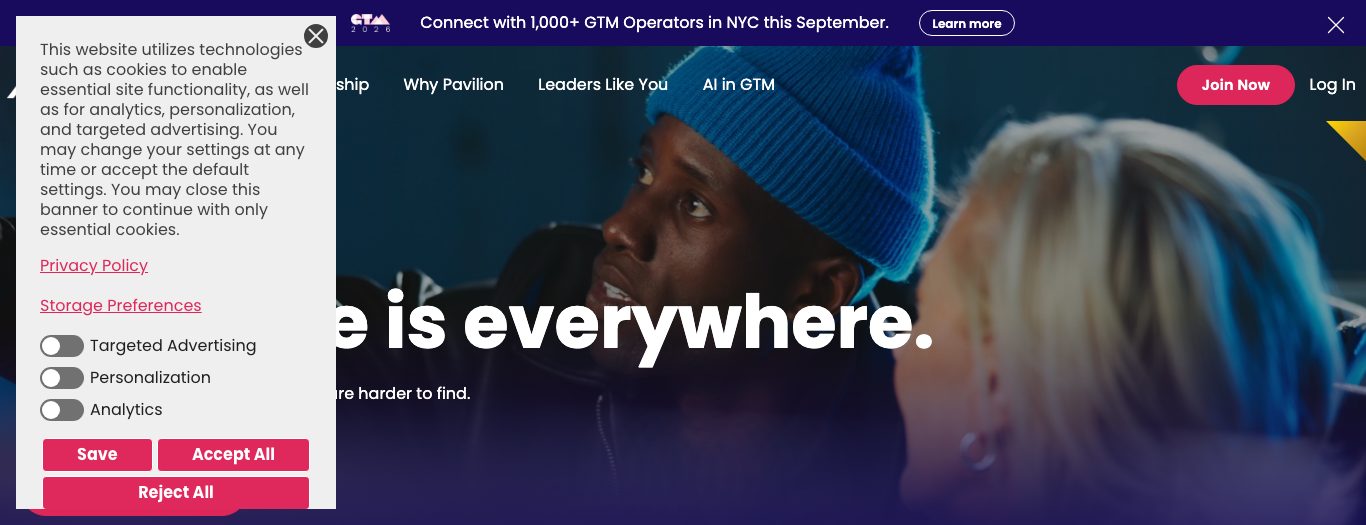
A strong community, but it is built for revenue and go-to-market executives inside companies rather than founders running their own, so it sits at the edge of a founder-mastermind list.
- Best for
- VP and C-level GTM and revenue executives building a peer bench
- Format
- Hybrid: a global Slack community, local chapter events, and Pavilion University
- Cost
- ~$1,375/yr (Associate) to ~$2,700/yr (Executive); a Gold tier for CXOs
- Who it's for
- GTM and revenue leaders, manager through CXO, not specifically founders
- Founded
- 2016 by Sam Jacobs (formerly Revenue Collective)
Elite Entrepreneur Mastermind (Chris Harder)

A real tiered founder mastermind from Chris and Lori Harder. The Elite tier hides its price behind an application, so expect a premium five-figure ask.
- Best for
- 7 to 8 figure founders who want a curated room plus access to the Harders
- Format
- Hybrid: bi-weekly online calls plus in-person events and a private community
- Cost
- Lower tier $3,495 (3mo) to $7,999 (12mo); Elite tier application-only
- Who it's for
- Founders at $500K+ revenue for Elite; $25K to $500K for the lower tier
- Founded
- Built on the earlier Fast Foundations program
Mindvalley Business Mastery
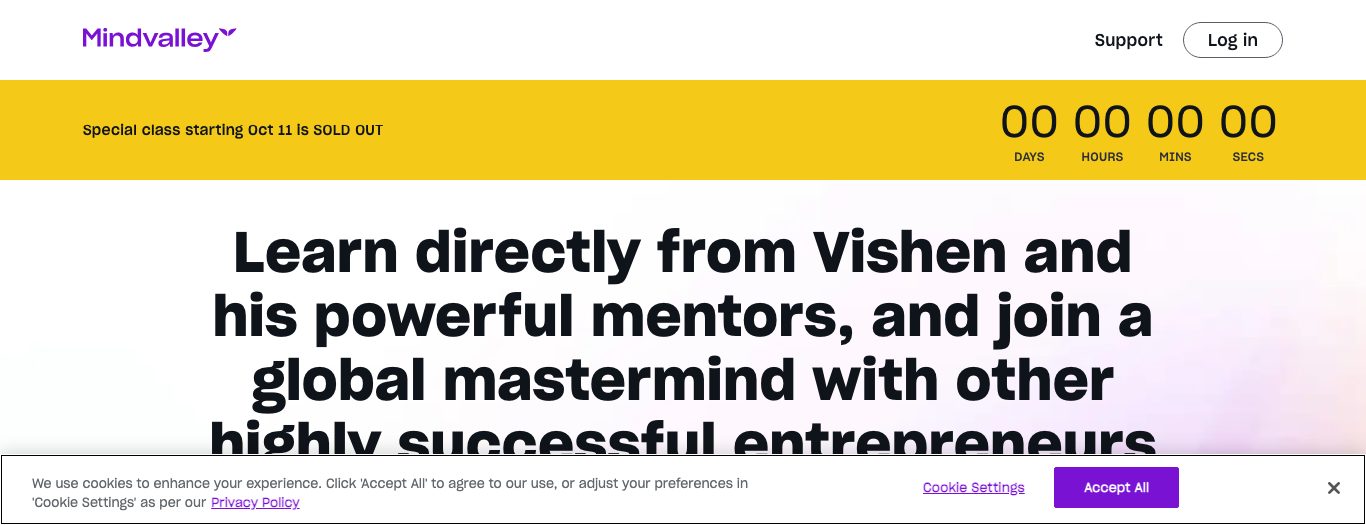
A legitimate founder mastermind led by Vishen Lakhiani, who bootstrapped Mindvalley past $100M. The mindset and personal-growth framing is heavy, so it fits if you want that alongside the tactics and grates if you came for pure operating advice.
- Best for
- Founders who want growth tactics from a bootstrapped $100M+ operator
- Format
- Online: weekly live calls, recorded for replay
- Cost
- $10,999 (payment plans available); a $500 refundable application deposit
- Who it's for
- Application-only, CEOs and founders
- Founded
- Mindvalley (Vishen Lakhiani)
The Visionary Collective (Natalie MacNeil)
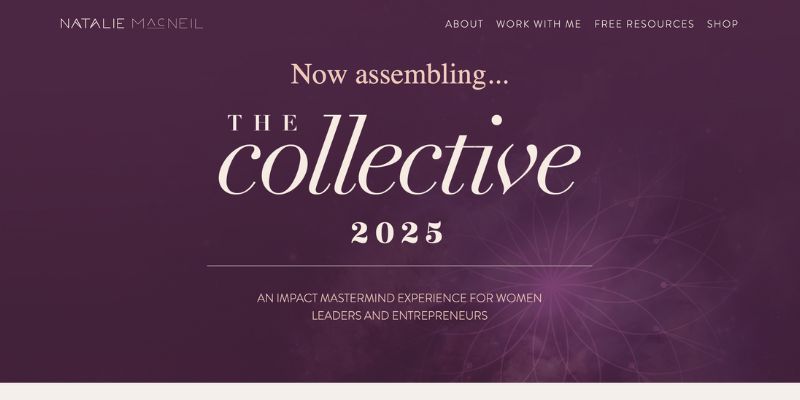
A genuine high-revenue women's founder room. It leans hard into futurist and embodied-leadership framing, so it is not a nuts-and-bolts tactical mastermind.
- Best for
- Established women founders reworking their model around AI and leadership
- Format
- Hybrid: mostly online (monthly and quarterly calls) with an optional retreat
- Cost
- $15,000 paid in full, or $2,000/mo over 8 months (12-month minimum)
- Who it's for
- Women founders at multi-six or seven figures, not early-stage
- Founded
- Natalie MacNeil (rebranded from The Collective)
Business Network International (BNI)
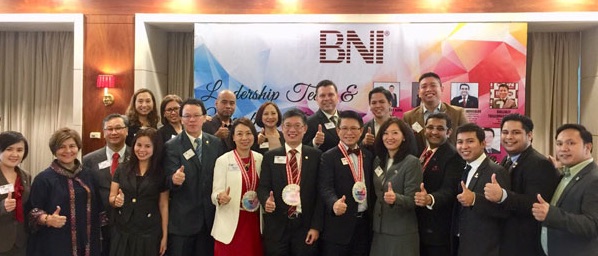
This is referral networking, not a peer-advisory mastermind, so it earns a spot only if you accept that the real cost is your weekly time and the payoff is leads rather than strategic counsel.
- Best for
- Small-business owners and solo professionals who want a referral pipeline
- Format
- In-person: weekly local chapter meetings (11,600+ chapters in 77 countries)
- Cost
- ~$540 to $700/yr base dues plus fees; all-in typically ~$1,500 to $2,000/yr
- Who it's for
- Any owner or professional seeking referrals (one per profession per chapter)
- Founded
- 1985 by Ivan Misner
Part 2
When a mastermind isn't the answer
Why most masterminds fail (and how to pick one that won't)
A mastermind is only as good as the room, and most rooms break in one of three predictable ways. I asked the operators on GrowthMentor who coach founders through this for a living what they see most, and the answers were consistent.
The first is the wrong cohort. One described a bootstrapped, profitable founder running an informal mastermind that fell apart because the room was a mix of one bootstrapper, several venture-backed companies, and a couple of agency consultants. The incentives did not match, so the challenges did not land. A room only pressure-tests you well when the people in it understand the constraints you are actually under.
The second is no real safety. Another described a seven-person startup mastermind where everyone performed success, minimized their problems, and protected their image, which meant nobody ever brought the real thing they were stuck on. If the room never sees a real problem, it cannot help with one.
The third one is on you. The most common pattern these coaches name is the founder who uses the room to be reassured instead of challenged, arriving already leaning toward an answer and steering the conversation to confirm it. A good room will not let you do that. A weak one will tell you what you want to hear and send you off feeling better and no wiser.
Before you pay: ask who else is in the room, at what stage, and how the group handles a member who is genuinely struggling. If the answer is vague on either count, the room will not do the one thing you are paying it for.
The mastermind alternative: one honest outside read
There is a version of this that does not require joining a fixed room for a year. The reason a mastermind works is not the membership. It is that you stop trying to build a company entirely inside your own head and get an honest outside read from someone who has been where you are. Across tens of thousands of mentor sessions, the pattern is hard to miss: the problem is rarely a skills gap. It is isolation, and isolation is a sourcing problem you can solve.
AI sharpened the isolation instead of fixing it. Founders now keep a ChatGPT tab open at 1am as the stand-in for the peer they do not have. AI can do an enormous amount of the doing, but it cannot be the room. It will not tell you the thing you are building is off, because it has no stake in whether you are right.
This is what it looks like instead of a fixed cohort. Book a 1:1 with whoever has already solved the thing in front of you, as many as it takes. One membership, every mentor included.
Vassilena Valchanova
Pivot or persevere · Tue 10:00
Michael Taylor
Accountability and follow-through · Tue 1:00
Kosta Panagoulias
Pricing with confidence · Wed 9:30
Tina Louise
The first key hire · Thu 11:00
Daniel Johnson
Beating the overwhelm · Fri 2:00
Vassia Sarantopoulou runs a company called AntiLoneliness. Here is what changed for her once she stopped going it alone.

When to ask for help (and what to ask for)
You do not need a whole mastermind to get unstuck on a specific thing. When a decision is keeping you up, the move is to bring it to one person who has already crossed it, with the real context and the worry underneath it. A few of the operators on GrowthMentor coach the exact things a mastermind is supposed to deliver. Our guide to finding a startup mentor covers how to reach out so they reply.
Suggested mentors
Four vetted operators who coach accountability, isolation, and the decisions you cannot make alone:

Zev Asch
Building the accountability structure you lose the day you stop having a boss

Spyros Tsoukalas
Solo-founder focus systems and an honest read on what to build next

Alex Perelman
Founder coach, twice through Y Combinator, for the lonely high-stakes calls
.pdf%20(1).png)
Sofia Papoutsi, PhD
Burnout-aware systems for founders carrying the whole thing alone
Whichever way you go, the move is the same. Stop building the company entirely in your own head, and keep one honest outside read close.
Frequently asked questions



Founders who stopped trying to figure it out alone
Before you buy into one room for a year,
talk to someone who's already in yours.
You've got people. You don't have peers. Talk it through with a vetted operator who has already been where you are. One membership, unlimited 1:1 calls, every mentor included.
Talk to a mentorKeep reading
More from the GrowthMentor blog
Mentorship · Feb 18, 2026
The best founder communities in 2026. And the one room none of them can be.
Foti Panagiotakopoulos
Mentorship · Jul 25, 2022
Entrepreneur mentorship, minus the fluff. What a mentor does, and where to find one.
Foti Panagiotakopoulos
Mentorship · Feb 06, 2026
How Much Does a Business Mentor Cost? A 2026 Guide
Micah McGuire
Growth Strategy · Jan 17, 2026
The best marketing communities to join in 2026. And the one thing none of them give you.
Foti Panagiotakopoulos