Alchemist Accelerator
How to get into Alchemist according to the founders who pulled it off
Our take
Best if you are an early B2B or enterprise founder, SaaS or deep tech, who wants a small check, a tight cohort, and a network built for selling to businesses. Skip it if you are consumer-facing, need a big check to survive, or want a brand-name badge over hands-on, specialized help.
Acceptance
~3%
Equity
~5%
Funding
~$25K
Duration
6 months
Stage
Pre-Seed to Seed
HQ
San Francisco, CA
We asked the founders how Alchemist Accelerator really went.
Every interview behind this page is one we ran ourselves. The numbers, quotes, and lessons come straight from founders who went through Alchemist Accelerator. No press releases, no PR gloss.
Who Alchemist Accelerator is for, and who should skip it.
Best for
- You sell to enterprises (SaaS, deep tech, AgTech, or FinTech) and want mentors, investors, and a curriculum tuned to long B2B sales cycles
- You have validated the concept and want a tight cohort of 15 to 25 similar companies rather than a broad, generalist batch
- You will actually work the Vault, Alchemist's database of 30,000-plus professionals and thousands of investors, from day one
- You are outside the US and want a credible gateway into Silicon Valley without relocating full-time
Skip it if
- You are consumer-facing. Alchemist is enterprise-only, and the mentors, investors, and curriculum are all built for B2B
- You need a large check to keep the lights on. The stipend is small, around $25K, and demo-day money is not guaranteed
- You want a big-brand badge more than hands-on help. Some founders here also considered or compared it to Y Combinator
- You cannot commit two to three days a week for six months, plus the occasional trip to San Francisco
What it's actually like at Alchemist
Alchemist runs a six-month, enterprise-only program out of Silicon Valley, mostly remote with a couple of in-person summits in San Francisco. Cohorts are small. Founders describe 15 to 25 companies, sometimes up to 40, and the week revolves around sessions with Ravi Belani, expert-led workshops, weekly check-ins, and a mentor or two you pick yourself. The through-line is discipline. Weekly assignments, mock board meetings, and a demo day at the end keep the pressure on from month one.
It was structured with a high level of discipline, fostering a productive struggle. Weekly meetings and specific assignments kept everyone engaged and prepared.
The application is lighter than founders expect. An online form, then one to a few interviews with partners, often a live panel pitch. Denis Tokarev got in on his third attempt after acting on the feedback each time. Balca Yilmaz was rejected on her underwater-robotics pitch, then accepted once she reapplied with a more scalable wind-energy plan. Several founders stress the same thing. Clarity and a defensible edge beat a polished venture playbook.
What's unique about Alchemist is the opportunity to apply multiple times. We were accepted into the program on our third attempt.
The money, and what it actually costs
Alchemist does not write a big check. The standard deal is a small stipend, founders cite around $25K, in exchange for a single-digit slice of equity, commonly about 5%, and the terms are negotiable, especially for companies further along. Taking the stipend is optional. CodeLock declined it and still used the network, while Construex, Runic, and Agtools all took the equity deal and called it worthwhile.
Typically, Alchemist offers a stipend, of around $25,000, to cover initial expenses and startup costs. This funding involves negotiations regarding equity, usually around 5%, but it's flexible.
Where the money shows up is around demo day, not from Alchemist itself. Prelaunch presented to 500 to 600 investors and left with warm connections rather than an immediate round. BeCause raised two rounds during the program. Agtools raised almost $3 million afterward, and FaradaIC went on to win the sub-1% EIC Accelerator grant. The check is small on purpose. The return is the network around it.
- The standard offer is roughly $25K for a single-digit equity stake, often near 5%, and it is negotiable.
- Taking the stipend is optional. At least one founder declined it and still used the program fully.
- The real fundraising happens around demo day and after. Founders raised from warm intros, not from Alchemist's check.
The network is the part founders keep
Ask what lasted, and nearly every founder points to the network and the operating discipline. The centerpiece is the Vault, a searchable database of 30,000-plus professionals and thousands of investors that founders describe as a specialized LinkedIn with better filtering and response rates. For Runic, almost all funding traced back to Alchemist connections. For Construex, the vetting stamp bought credibility a small market could not. For Agtools, high-caliber mentors reset the team's entire enterprise game.
The level of mentorship felt like going from playing tennis at a country club to playing in Wimbledon.
Almost all of our funding came through direct or indirect connections from Alchemist.
The recurring caveat is that the network only pays off if you work it. Martha Montoya's one regret is that Vault training came too late. She now tells founders to spend an hour a week in it from day one. And several are blunt that the accelerator gives legitimacy and a boost, but the heavy lifting stays with the team.
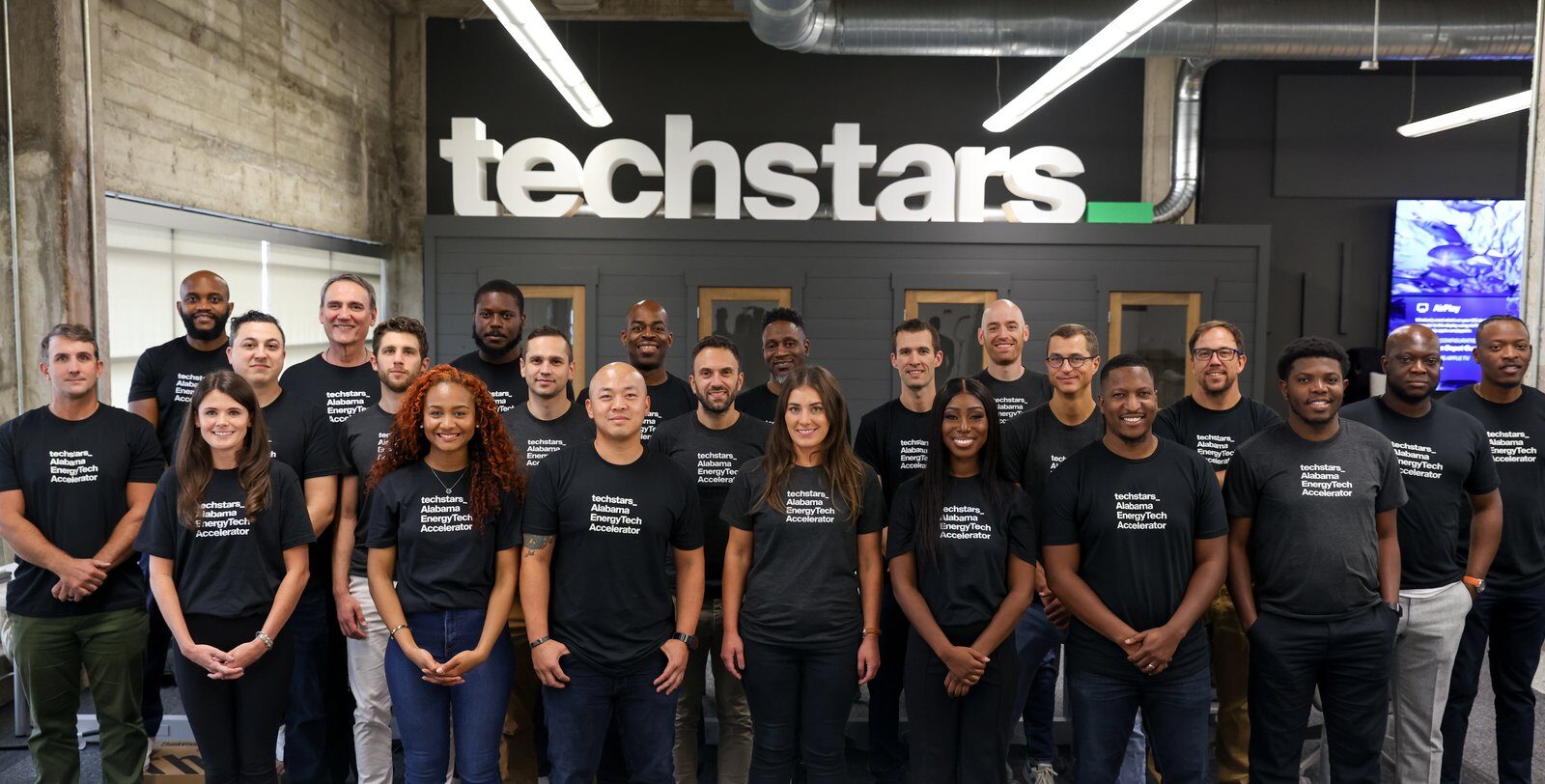
The founders we talked to.
Alumni include LaunchDarkly, Rigetti Computing, MightyHive, Ambient.ai, Privacera, HeadSpin.
Want the mentorship without the accelerator?
An accelerator's real value is the people who have done it before. GrowthMentor gives you that on its own. Unlimited 1:1 calls with founders and operators, from $50 a month, no equity, no relocating, and no 1-in-30 application. Not a replacement for a demo-day stage, but if what you're really after is someone who has cracked enterprise sales or raised the round you're chasing, you can start those conversations today.
 Recommended
Format
 Live 1:1 calls, on demand
- Alchemist Accelerator
- 6-month, enterprise-only cohort, mostly remote with SF summits
Cost to you
From $50/month, no equity- Alchemist Accelerator
- ~5% equity (single-digit), negotiable
Capital
None. It's mentorship, not funding- Alchemist Accelerator
- ~$25K stipend, optional
Commitment
As much or as little as you want- Alchemist Accelerator
- Two to three days a week for six months, plus SF trips
Acceptance
Open to any member- Alchemist Accelerator
- ~3%, highly competitive, B2B only
Best for
Founders wanting targeted advice from operators who've done it- Alchemist Accelerator
- Early B2B and enterprise founders wanting network + curriculum
Relationship
Pick your mentor, book again whenever you need- Alchemist Accelerator
- Cohort + Vault network over years
From $50 a month · no equity.
Questions founders ask about Alchemist Accelerator.
Roughly 3%, though founders describe a process that rewards clarity and a defensible edge over a polished pitch. Cohorts are small, often 15 to 25 companies, sometimes up to 40, and you can apply more than once. Denis Tokarev of Cattle Scan got in on his third attempt after acting on the feedback each time, and Balca Yilmaz of WEROVER was accepted only after reapplying with a more scalable plan.
Alchemist offers a small stipend, founders cite around $25K, in exchange for a single-digit equity stake, commonly about 5%, and the terms are negotiable. Taking the stipend is optional. Brian Gallagher of CodeLock declined it and still used the network and fundraising guidance, while others took the deal and called the equity a small price for the access.
Six months, based in Silicon Valley but run mostly remotely, with a couple of in-person summits in San Francisco. Founders should expect to commit two to three days a week. That covers weekly sessions with Ravi Belani, expert workshops, self-chosen mentors, mock board meetings, and a demo day at the end.
Enterprise and B2B founders, SaaS and increasingly deep tech, plus AgTech and FinTech. It is not for consumer startups. The mentors, investors, and curriculum are all built around selling to businesses and long B2B sales cycles, which is exactly why specialized founders like Martha Montoya of Agtools found the questions and coaching finally relevant to their business.
Founders who worked the network said yes. The consistent verdict is that the value is the Vault, the mentors, the credibility stamp, and the demo-day exposure, not the small check. The recurring caution is that the accelerator gives legitimacy and a boost, but the heavy lifting stays with you, and the Vault only pays off if you use it from day one.