The “Respectful” Business Belief That’s Costing You 85% of Your Customers

A fintech founder was hemorrhaging 85% of qualified prospects, and he was proud of it.
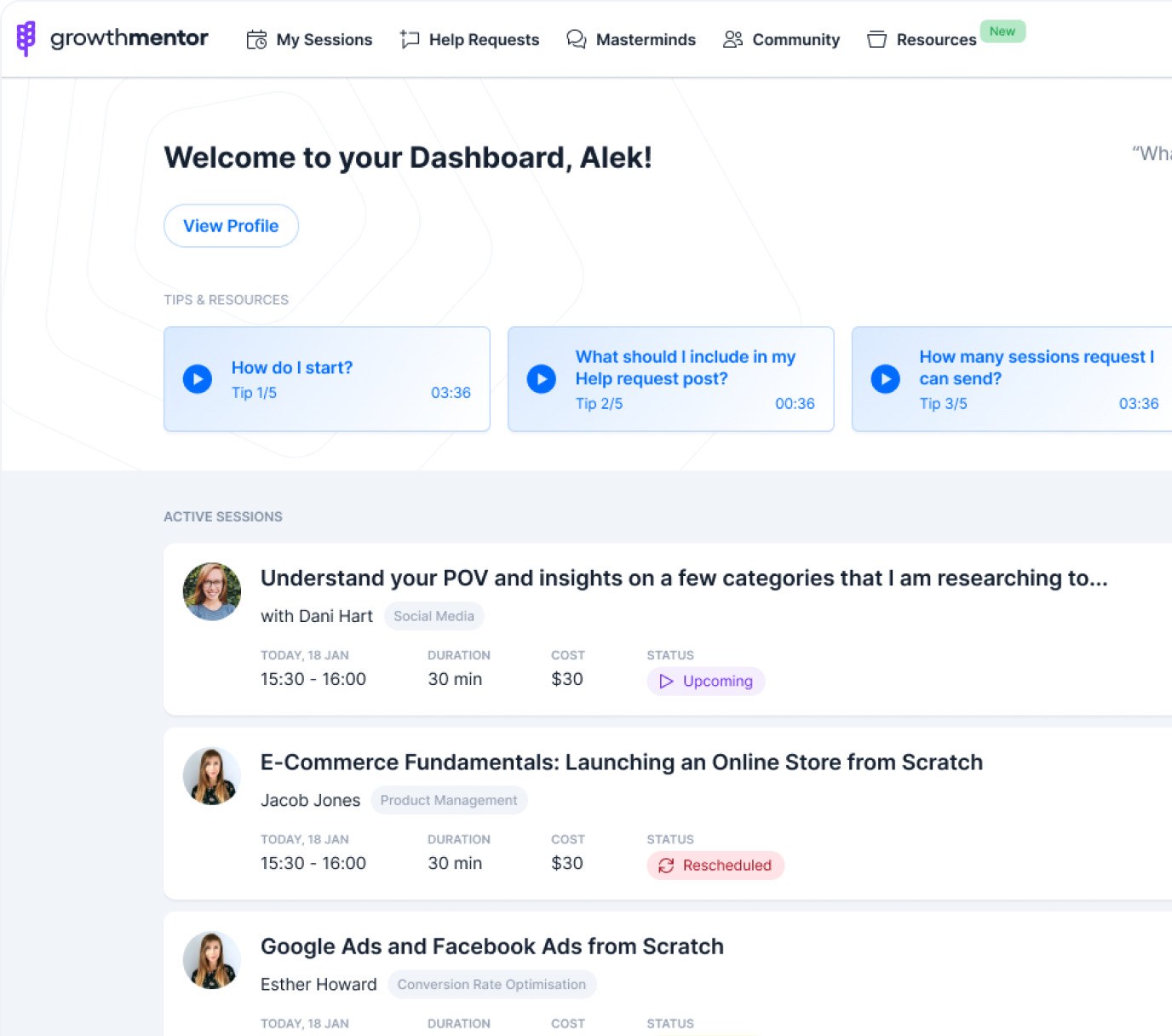
“I hate that,” he said when I suggested capturing email addresses earlier in his funnel during our GrowthMentor call three weeks ago. The disgust in his voice was real. Here was a founder watching nearly nine out of ten interested customers disappear forever, and his biggest concern was not wanting to “bother” them.
I knew immediately we weren’t dealing with a conversion problem. We were dealing with an identity crisis slowly killing his business.
The Respectful Entrepreneur’s Death Trap
This founder runs a fintech startup connecting millennials with certified financial planners. His Facebook ads work beautifully. They pull in exactly the right people who genuinely need financial guidance. His product is solid. The market timing is perfect.
But here’s what this “respectful” approach was costing him: Three emails over ten days. After that, total silence. If someone didn’t buy immediately, he’d never contact them again.
“We’re leaving a lot of money on the table,” he admitted, with the exhausted frustration of someone who knows something’s fundamentally wrong but can’t see the solution.
I see this trap everywhere. Seven out of ten service entrepreneurs I work with fall into it. The most ethical founders create the most sophisticated forms of self-sabotage, constructing elaborate justifications: “We’re premium.” “Our customers are sophisticated.” “Quality speaks for itself.”
Look, I get it completely. When I started mentoring, I was terrified of seeming pushy. I’d have one transformative conversation with a founder, send a polite follow-up email, and then… crickets. I told myself I was respecting their decision-making process. Really, I was scared of hearing “no.”
What “Respectful” Costs You
“What if,” I asked him, “the people who think you’re being annoying aren’t your customers anyway?”
The pause stretched. Long and heavy. You know that silence, when someone’s entire worldview starts cracking open.
“Think about your own behavior,” I continued. “When you’re genuinely interested in something important – buying a house, choosing a financial advisor, making any significant decision – don’t you want them to follow up? Don’t you need multiple touchpoints before you’re ready to commit?”
Another pause. Then, quietly: “That’s… completely true.”
Here’s what hit him in that moment: He wasn’t being respectful to his customers. He was being respectful to people who were never going to buy anything.
The prospects filling out his 15-minute questionnaire and selecting specific advisors? They were practically screaming for help with their financial future. By abandoning them after three gentle emails, he wasn’t respecting their space. He was abandoning them right when they needed support most.
“Wait…” he said, and I could feel his relief. “I’ve been abandoning people who wanted my help because I was worried about annoying people who were never going to buy anyway.”
Exactly.
The 30-Second Identity Revolution
What happened next was beautiful to witness. He didn’t just accept a new email tactic; he stepped into a completely different identity as a business owner.
Old identity: “I’m someone who respects people’s space and doesn’t pressure them.”
New identity: “I’m someone who helps motivated people overcome their natural tendency to procrastinate on important financial decisions.”
The energy in his voice completely changed. Within minutes, he was sketching out a 14-email nurture sequence using his financial advisors’ personal email addresses. Each follow-up would feel like a personal check-in from their chosen advisor, not marketing automation.
“This makes complete sense,” he said, and I could hear the relief flooding his voice.
He wasn’t just implementing new tactics. He was stepping into a new identity as someone who serves through helpful persistence.
The Language That Changes Everything
So what did this look like in practice?
His old emails started with “Sorry to bother you again…” His new approach? “I wanted to make sure you didn’t miss this opportunity to get your financial plan sorted before year-end.”
When someone hadn’t responded in a week, instead of “Just checking in…” he’d write: “I noticed you were interested in retirement planning, here’s what other people in your situation found most helpful as a first step.”
The difference wasn’t just in the words. It was in the intention. He stopped apologizing for helping someone remember something that could change their life.
Here’s what I want you to try tonight: Make a list of ten prospects you stopped following up with out of “respect.” Tomorrow, send them one helpful persistence email. I guarantee you’ll be surprised by how many people thank you for staying in touch.
Why Smart People Fall Hardest
The smarter and more ethical you are, the more elaborate your self-sabotage becomes. I see this pattern constantly in my coaching practice (nobsstartupcoach.com): early success from referrals tricks you into thinking you can build a sustainable business without systematic follow-up. You don’t realize you’re leaving 80% of potential customers behind because your 20% feels “organic.”
But here’s what I’ve learned from over 210 mentoring sessions: Your prospects aren’t asking you to be polite. They’re asking you to be helpful.
The Immediate Transformation
His entire business philosophy transformed from hoping for immediate decisions to systematically nurturing qualified interest.
He went from three apologetic emails over ten days to planning a comprehensive 14-email nurture sequence. From hoping people remember to systematically helping them remember. From fearing “annoyance” complaints to focusing on helping motivated prospects overcome decision paralysis.
“This has been an amazing session,” he said. “This is actually better than I was expecting.”
He wasn’t just implementing new tactics; he was stepping into a new identity as someone who serves through helpful persistence.
The most respectful thing you can do for motivated customers is refuse to let them forget about something that could change their lives.
Your prospects don’t need your politeness. They need your persistence.