Talk to enough GrowthMentor members and a pattern shows up fast. The ones who get the most out of it don't lean on a single mentor. They build a small bench and switch between them depending on the problem in front of them.
JP Bisson has been starting companies for over twenty years, from a teenage landscaping business in Ottawa to Geonode today. He is not short on experience, and he still books calls:
"A lot of the time I go in not because I'm stuck, but because I want to talk to other entrepreneurs who've been around the block and ask, what am I missing here? What should I be doing day-to-day that I'm not? A bit of comparing notes."
Why One Mentor Falls Short
No single person has the answer to everything you're up against. The hard problems are cross-disciplinary, and the mentor who nailed your pricing rarely also knows how to fix your hiring or steady your nerve when it is all on you.
When you rely on just one advisor, you’re limited to their specific experiences and blind spots. This limitation becomes increasingly problematic as your business grows and your challenges evolve.
Founders describe the blind-spot problem in almost the same words.

The most effective approach is finding mentors who are 50-100% ahead of you in your journey. If you’re four years into your startup, someone with 6-8 years of experience often provides more relevant guidance than someone decades removed from your current challenges.
Three Types of Mentors Every Founder Needs
Successful founders intentionally build relationships with different types of advisors:
Three types, three different questions
Strategic
Big-picture direction
“Are you targeting the right market?”
Tactical
Practical implementation
“How exactly do I execute this, and what worked when you did?”
Mindset
Psychological support
“How do I handle the doubt, the loneliness, and the pressure?”
Each column is a different question, and no one person answers all three well.
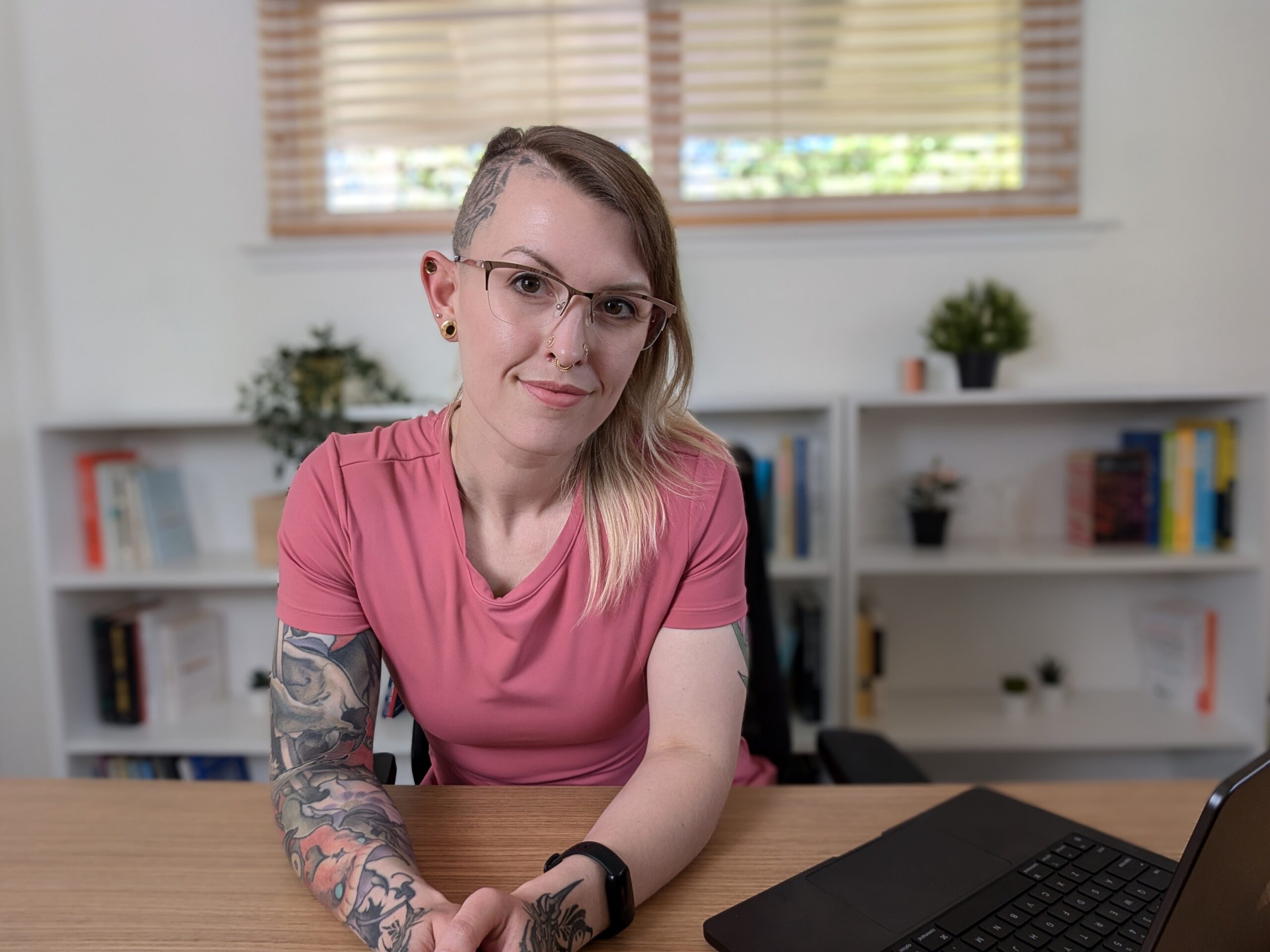
That is why the strongest founders assemble a few specialists instead of leaning on one. Marina Wyss came into two businesses she knew almost nothing about:
Strategic Mentors: For Big-Picture Direction
These advisors help clarify your vision and challenge your core assumptions.
They ask uncomfortable but necessary questions:
- Are you targeting the right market?
- Is your business model sustainable?
- What blind spots are you missing?
Strategic mentors help you focus your efforts where they’ll have the greatest impact. This might mean narrowing your target market, adjusting your value proposition, or completely rethinking your approach to growth.
Tactical Mentors: For Practical Implementation
While strategic mentors help with direction, tactical mentors provide specific how-to guidance on execution. These are the advisors who share battle-tested frameworks, tools, and approaches for solving immediate challenges.
Tactical mentors often have specialized expertise in areas like marketing, sales, product development, or fundraising. They help you implement effective solutions without the costly trial and error of figuring everything out yourself.
Mindset Mentors: For Psychological Support
Running a startup is mentally challenging. Mentors who help with your psychological state can be just as valuable as those providing business advice.
Mindset mentors help you navigate the emotional roller coaster of entrepreneurship, the doubt, loneliness, and pressure that can derail even the most promising ventures. They provide perspective when you’re too close to your problems and confidence when you’re questioning your path.
This psychological support isn’t just about feeling good, it directly impacts your productivity, decision quality, and leadership effectiveness.
That mindset piece comes up again and again, often as the thing members did not expect to value most.

Here is what that looks like in practice, one mentor for each of the three. All bookable on a single membership:
Suggested mentors
Strategic, tactical, and mindset, three vetted GrowthMentor mentors:



Making the Most of Multiple Perspectives
Getting different, sometimes contradictory, advice from various mentors isn’t a problem. It’s actually valuable. These diverse viewpoints force you to think more deeply, question your assumptions, and develop your own judgment.
What contradictory advice buys you
One mentor
One lens on every problem
Every answer arrives through the same experiences and the same blind spots. All you can collect is agreement.
Three mentors
Disagreement you can use
Three viewpoints collide, you work out why each one holds, and the judgment you build is your own.
When mentors contradict each other, that is the signal. Each disagreement marks an assumption you have not tested yet.
Members say the same thing about contradictory advice: handled right, it is the feature, not the bug.
"Everyone says something different, so I get a good range of ideas and perspectives. It's given me some killer ideas for Rageheart."

John Wood · Solo Founder at Rageheart
Read John's story"Because I had access to so many mentors, I could get a few different takes on the same problem before deciding."
Jason Tan · Solo Founder at DDA Labs
Read Jason's storyWhen faced with conflicting advice (which is the real difference between advice and mentorship), consider:
- What context is informing each mentor’s perspective?
- Which approach best fits your resources and situation?
- Can you combine elements from multiple recommendations?
- This process turns apparent contradictions into deeper insights and more nuanced strategies.
Building Your Mentor Network
Creating a diverse mentor network takes intentional effort, and a bit of knowing where to look:





Build the network, not the bottleneck.
One membership, unlimited calls with hundreds of vetted mentors, so you can line up strategic, tactical, and mindset help under one roof.
1. Identify Your Specific Needs
Be honest about where you need the most help. Are you struggling with marketing, product development, team building, or your own confidence? Match these needs to specific mentor types.
Create a simple matrix of your current challenges and the expertise required to address them. This becomes your roadmap for building targeted mentor relationships.
The matrix, filled in
Not sure the market is right
StrategicCampaigns underperforming
TacticalFirst hires, and how to delegate
TacticalDoubt before every big call
MindsetYour rows will differ. The matrix shows which mentor type each challenge calls for, and the ringed row is wherever your biggest gap sits.
2. Understand What Motivates Mentors
Many founders hesitate to approach potential mentors, wondering why anyone would want to help them. Understanding mentor motivation dissolves this concern.
Mentoring provides benefits like staying relevant in rapidly changing industries, testing ideas in new contexts, and the satisfaction of helping others succeed. When you understand this motivation, approaching potential mentors becomes much less intimidating.
3. Be a Great Mentee
How you approach mentor relationships directly affects the value you receive. This means coming prepared, being respectful of their time, following through on commitments, and showing genuine passion for your business.
Great mentees:
- Come to sessions with specific questions
- Take notes and implement advice
- Provide feedback on results
- Express gratitude without wasting time
- Find appropriate ways to add value to the relationship
Your Next Steps
Building a diverse mentor network isn’t optional for serious founders, it’s essential for navigating today’s complex business challenges.
"Mentorship isn't looking for a boss to tell you what to do. A mentor points you toward a direction you might not have thought of. It's like talking to friends, except that friend happens to be an expert at the exact thing you're struggling with."
This approach requires vulnerability, acknowledging what you don’t know and asking for help. But this vulnerability becomes your strength, accelerating your learning and helping you avoid costly mistakes.
Start by identifying one gap in your current advisory circle. Which type of mentor, strategic, tactical, or mindset, would make the biggest difference right now? Seek out that specific expertise as your first step toward building a more robust mentor network.
Frequently asked questions


Mentors who've been there
Building your mentor network?
Start with the gap that hurts most.
Browse 600+ vetted mentors, strategic, tactical, and mindset, and book a 1:1 call on demand. One membership, unlimited calls.
Find a mentorKeep reading
More from the GrowthMentor blog
Mentorship · Nov 30, 2024
The Difference Between Advice and Mentorship (And Why Most People Give Bad Advice)
Foti Panagiotakopoulos
Mentorship · Jul 25, 2022
Entrepreneur mentorship, minus the fluff. What a mentor does, and where to find one.
Foti Panagiotakopoulos
Mentorship · Feb 07, 2024
How to Find a Mentor For Your Startup (Message Templates Included)
Micah McGuire
Mentorship · Jan 23, 2026
Top SaaS mentors. And what one is really for in 2026.
Foti Panagiotakopoulos